
Heian
Hyogo · 平安Browse Hyogo’s cultural heritage from the Heian period (794 – 1185). Filter by type and keyword, with concise stories, maps, and travel tips.
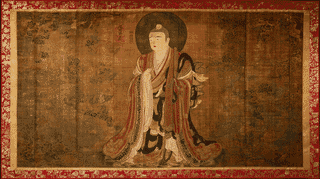
Ten Heian-period scrolls owned by Ichijoji in Hyogo Prefecture, showing the nine Tendai patriarchs with Prince Shotoku himself added on to the series.

This Tang dynasty manuscript (7th–8th century) is the oldest surviving copy of Volume 6 of the Shishuo Xinshu (Shishuo Xinyu), a celebrated Chinese anecdote collection. Designated as a National Treasure, this fragment features elegant Tang calligraphy, Heian-period reading marks, and esoteric Buddhist texts on the verso — a testament to over a millennium of Sino-Japanese cultural exchange.
Discover the Ichijoji Three-Storied Pagoda, a Japanese National Treasure built in 1171. This stunning late Heian-period pagoda stands in the mountains of Kasai City, Hyogo, as part of the Saigoku Pilgrimage's 26th temple.
The Taishi-do of Kakurin-ji Temple in Kakogawa, Hyogo, built in 1112, is the oldest dated building in Hyogo Prefecture and a designated National Treasure. Its elegant cypress-bark pyramidal roof, refined interior arrangement, and Heian-period murals (rediscovered by infrared photography) offer a rare glimpse into the classical age of Japanese architecture.
Discover 140 exquisite Heian-period bronze mirrors offered to a sacred mountain pond and now preserved at Hyogo's Kurokawa Institute — windows into Japan's ancient water-spirit worship.