
Important Cultural Property of Mie
三 重 県 の 重 要 文 化 財Mie’s Important Cultural Properties — designated for their value to the nation’s cultural history.
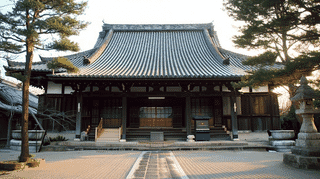
An Edo-period Buddhist temple main hall in Matsusaka, Mie Prefecture. Two other listed halls elsewhere in Japan carry this very same name here as well.
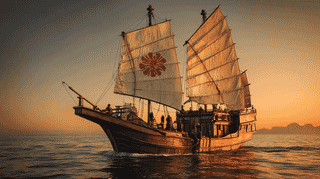
Discover the Kadoya Family Trade-Related Documents, Important Cultural Properties of Japan preserved at Jingu Chokokan Museum in Ise. This remarkable collection of 11 artifacts—including a rare parchment navigation chart, vermilion seal flags, and historic documents—reveals the fascinating story of Japanese maritime merchants who sailed to Vietnam in the early 17th century. Learn about Kadoya Shichirōbei, who chose exile over abandoning his Vietnamese family during Japan's sakoku isolation.

Discover the Main Hall of Ida Shrine in Iga City, Mie Prefecture — a nationally designated Important Cultural Property built in 1527 featuring nagare-zukuri architecture with cypress bark roofing and uniquely decorative kaerumata carvings.
The Thirteen-Story Stone Pagoda at Kunitsu Shrine in Tsu City, Mie Prefecture, is a nationally designated Important Cultural Property from the late Kamakura period. Carved from locally quarried Ōbora tuff with four Buddha reliefs, this elegant stone tower stands in a tranquil mountain village alongside an 800-year-old zelkova tree.
Chinjudo Hall at Kozoji Temple in Toba City, Mie Prefecture, is a small shrine hall rebuilt in 1605 in the nagare-zukuri style with a kokera-buki roof. Enshrining Kishimojin, the Buddhist guardian of children, it is designated as a nationally Important Cultural Property as one of the rare surviving Momoyama-period structures in the Ise-Shima region. Discover the history and architecture of this hidden mountain temple connected to the legendary Kuki naval clan.
The Main Hall of Kozoji Temple in Toba City, Mie Prefecture, is an Important Cultural Property built in 1561 during the late Muromachi period. Founded by Kobo Daishi as the inner sanctuary of Kongosho-ji Temple, the hall features stunning polychrome ceiling paintings and a rich connection to the legendary Kuki naval clan.
Discover the Jingu Saishu Shokusha Main Building, a nationally designated Important Cultural Property in Ise City. Originally built as the guest hall of Keikoin, a Buddhist nunnery whose abbesses revived Ise Jingu's sacred Shikinen Sengu ceremony, this early Edo-period shoin-zukuri masterpiece stands along the famous Oharai-machi Street near the Inner Shrine.
Discover Suehiro Bridge in Yokkaichi, Mie Prefecture — Japan's oldest and only operational bascule railway bridge. Completed in 1931, this Important Cultural Property still carries freight trains across the Chitose Canal. A must-visit for railway and industrial heritage enthusiasts.
Haiseiden in Iga, Mie is a 1942 Important Cultural Property marking poet Matsuo Basho's 300th birth anniversary, shaped to evoke the wandering poet in travel attire.
An 1887 seaside guest house at Futami near Ise, built in two months for an empress. A 120-mat hall and ornate rooms are highlights. Closed for restoration from 2026.
Built in 1863 for samurai guarding Matsusaka Castle, two row houses face each other across a hedged lane in Mie, the largest of their kind, still lived in today.
Discover the naginata of Choseiji Temple in Taki, Mie — an Important Cultural Property forged in 1342 by Naotsugu of the Bicchu Aoe school. Inscribed to Sumiyoshi and Hachiman deities, this blade carries the dramatic legacy of the Kitabatake clan and the Mise Incident of 1576. A complete guide to its history, craftsmanship, and the surrounding sites.
Housed at Sairaiji Temple in Tsu City, Mie Prefecture, the Block-Printed Tendai Sandaibu Hokke Soki is a set of seventeen Kamakura-period woodblock-printed booklets preserving the great Tang-dynasty commentary on the Lotus Sutra by the Tiantai patriarch Zhanran (Myoraku Daishi). Designated an Important Cultural Property in 1936, this article explores its scholarly significance, the temple's storied history, and what to see in the surrounding area of Tsu.
More from Mie
Mie’s registered properties across designations, with featured heritage and travel notes.
The complete kokuhō catalogue — browse by prefecture, period, and category.
Nationwide jūyō bunkazai — architecture, sculpture, painting, crafts, and documents.