
Historic Sites, Places of Scenic Beauty, and Natural Monuments of Nagasaki
長 崎 県 の 史 跡 名 勝 天 然 記 念 物Nagasaki · Historic Sites, Places of Scenic Beauty, and Natural Monuments
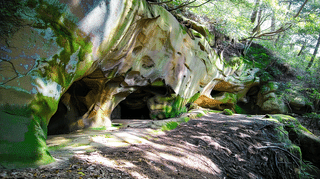
Explore Senpukuji Cave in Sasebo, a National Historic Site where junior high students discovered 12,000-year-old bean-pattern pottery. Learn about this prehistoric treasure, visitor tips, and nearby attractions.
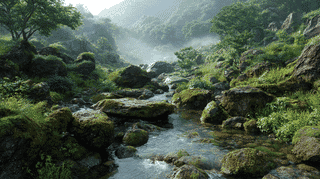
Discover Tsuchikurogawa's Okichimozuku habitat, one of only three nationally designated natural monuments for this critically endangered freshwater red algae endemic to Japan, nestled in Shimabara Peninsula's volcanic landscape.

The Koshidaka Site on Tsushima yielded mostly Korean-style raised-band pottery and a stone hearth like those near Busan. It became a National Historic Site in 2025.
National Historic Site in Nagasaki where Siebold opened Japan's first foreign-led medical school in 1824. Original wells, stone walls, and his planted trees remain.
Built 1591 above Izuhara as a staging post for Hideyoshi's Korean campaign. Three stone-walled enclosures still trace the saddle ridge for some 500 meters.
On Tsushima, between Kyushu and Korea, Mount Shiratake's upper slopes hold a forest where Japanese and continental plants meet. It became a Natural Monument in 1923.
The Taradake Tsukushi Shakunage Colony in Isahaya City, Nagasaki Prefecture, is a nationally designated Natural Monument where Japan's endemic Tsukushi rhododendrons bloom across the forested slopes of sacred Mount Tara each spring. One of only two nationally protected habitats for this species — praised by Siebold as one of the world's finest flowers — this mountain sanctuary offers a stunning hiking experience amid ancient Shugendo heritage.
Discover the Eight Scenic Wonders of the Hirado Domain (Hirado Hakkei) in Sasebo, Nagasaki — towering sandstone cliffs, hidden waterfalls, natural stone bridges, and sea caves chosen by Lord Matsura Hiromu in 1847 and now designated a National Place of Scenic Beauty.
A sandstone rock shelter in Sasebo where 15 layers trace the Paleolithic-to-Jōmon transition — Japan's first Paleolithic-era Special Historic Site (October 2024).
A dacite lava dome that grew on Mt. Unzen, 1991-1995, observed in unprecedented detail. At 1,483 m, Nagasaki's highest peak, designated a Natural Monument in 2004.
The Hogett Stone Pot Production Site, a nationally designated historic site hidden in the mountains of Saikai City, Nagasaki Prefecture, is the largest known medieval soapstone cooking pot manufacturing complex in Japan. Active from the late Heian to Muromachi periods, this remarkable archaeological site features 11 workshop locations where craftsmen carved pots from cliff faces, supplying cookware across the entire Japanese archipelago.
More from Nagasaki
Nagasaki’s registered properties across designations, with featured heritage and travel notes.
The complete kokuhō catalogue — browse by prefecture, period, and category.
Nationwide jūyō bunkazai — architecture, sculpture, painting, crafts, and documents.