
National Treasure
国 宝 一 覧Browse Japan’s National Treasures by prefecture, period, and type. Clear stories highlight what to look for at temples, shrines, castles, and museums—plus maps and travel tips.
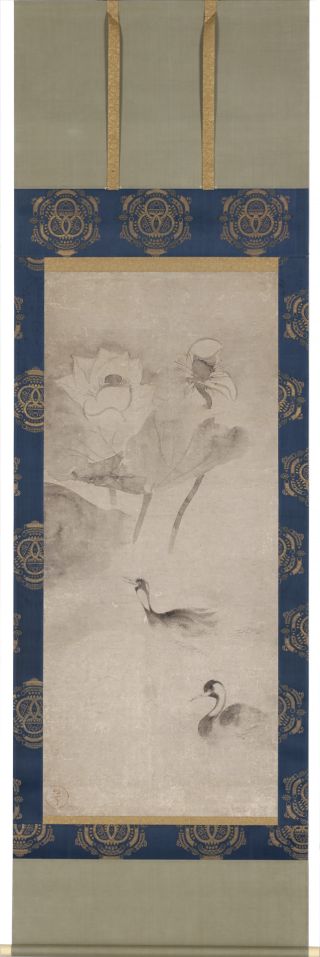
Discover Tawaraya Sōtatsu's masterpiece of Japanese ink painting, "Lotus Pond and Waterfowl" (Renchi Suikin-zu), held by the Kyoto National Museum. This National Treasure hanging scroll, painted in the early Edo period in ink alone, quietly sets two lotus stems and two little grebes in dialogue to evoke the passage of a summer. This guide introduces the painting's artistic value, the reasons for its designation, its highlights, and the surrounding sights of Kyoto's Higashiyama district.
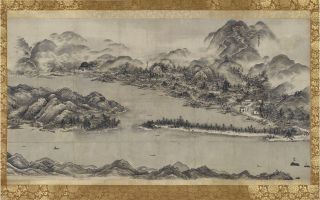
Sesshu's View of Amanohashidate, a National Treasure in Kyoto, maps the famed sandbar from a sky-high viewpoint that never existed. An unsigned sketch turned icon.
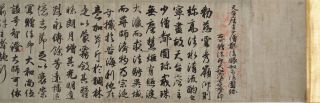
An imperial decree of 927 granting Enchin the posthumous title Chishō Daishi, its privy seal pressed thirteen times over text brushed by Ono no Michikaze.
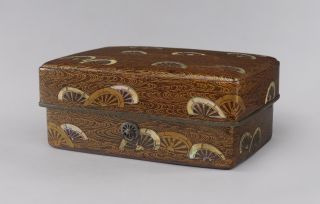
At the Tokyo National Museum, this Kamakura National Treasure sets shell cart wheels in a dense gold ground, bolder and more ordered than its Heian twin.
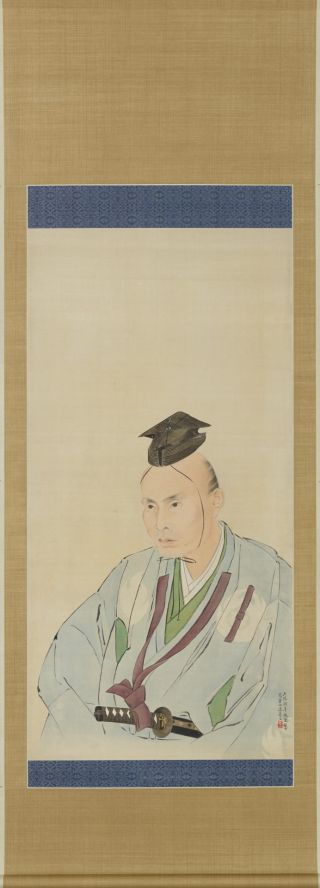
Watanabe Kazan's 1837 portrait of scholar Takami Senseki blends Western facial shading with East Asian brushwork. A National Treasure at the Tokyo National Museum.
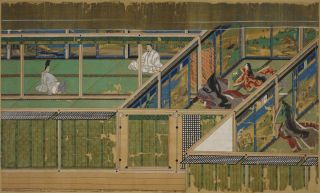
Ninety-three Kasuga miracle tales on twenty silk scrolls, painted around 1309 by Takashina Takakane. Complete and never repainted, a National Treasure since 2021.
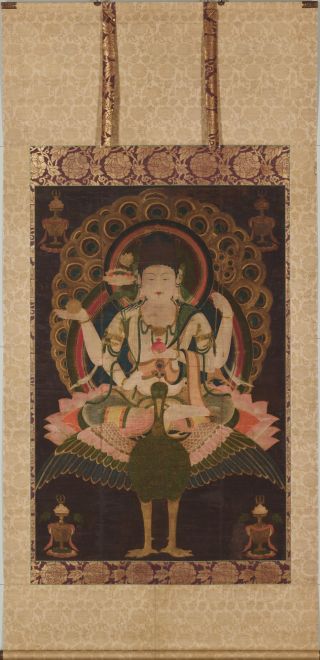
A National Treasure at the Tokyo National Museum, the only Peacock Wisdom King painting left from Heian Japan, admired for its gentle deity and refined gold work.
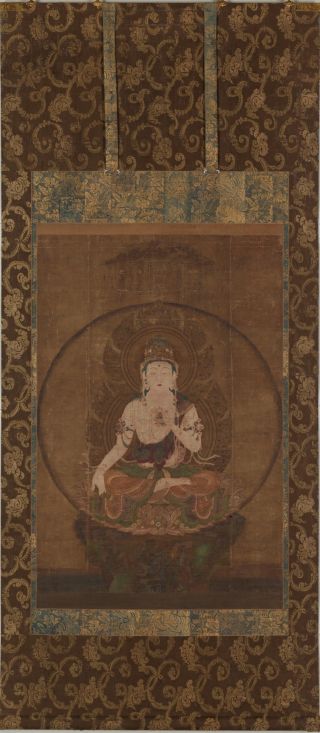
The oldest surviving painted image of Kokūzō in Japan, this 12th-century silk scroll at the Tokyo National Museum is admired for its fine cut-gold kirikane work.
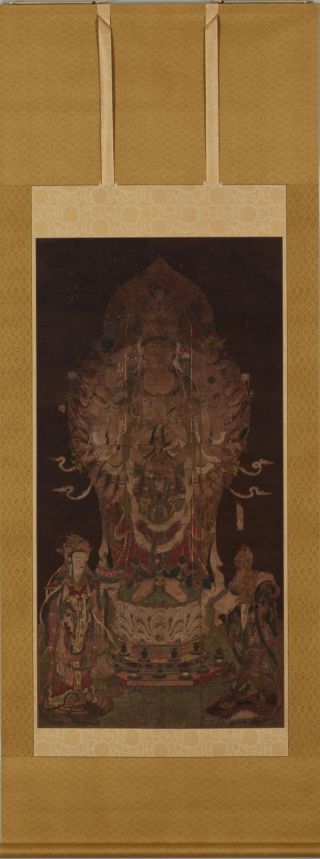
A late-12th-century National Treasure of Senju Kannon at the Tokyo National Museum: forty-two arms ringed by small hands, the silk worked in fine gold kirikane.
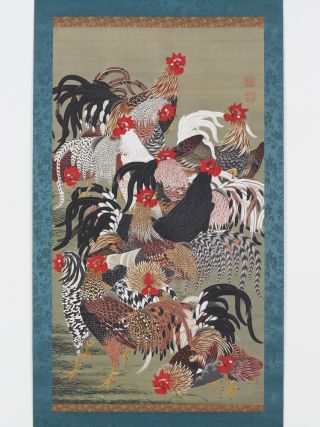
Ito Jakuchu's National Treasure: thirty silk scrolls of birds, fish, and flowers painted over a decade for a Kyoto Zen temple, held at Tokyo's Sannomaru Shozokan.
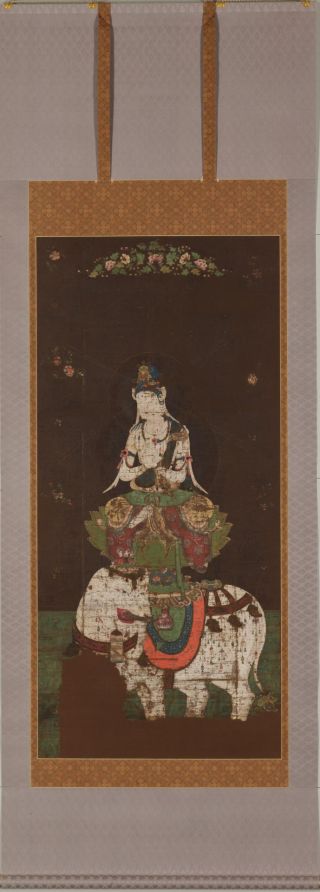
A 12th-century Heian National Treasure at Tokyo National Museum, this silk scroll depicts Fugen Bosatsu on a six-tusked white elephant amid fine cut-gold ornament.
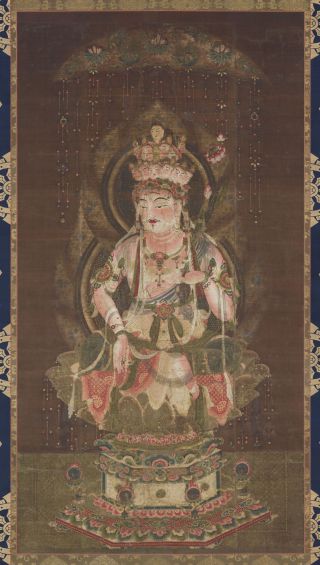
Discover the National Treasure 'Silk-Painted Image of the Eleven-Headed Kannon' at Nara National Museum — a 12th-century Heian-period masterpiece on silk. As one of Japan's oldest surviving silk paintings of this form of Kannon, it features an unusually naturalistic three-quarter pose, exquisite cut-gold-leaf (kirikane) decoration, and motifs newly introduced from Song-dynasty China. This guide covers the painting's iconography, history, and how to plan your visit to the museum in Nara Park.
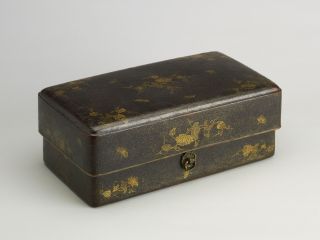
Discover the Lotus Arabesque Maki-e Sutra Box, a National Treasure from the late Heian period housed at Nara National Museum. Crafted in the exceptionally rare lacquered-leather (shippi) technique and adorned with togidashi maki-e, this elegant container once preserved decorated sutras at Jingū-ji in Fukui.
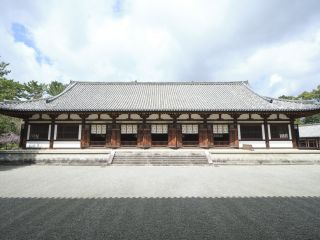
The Lecture Hall of Toshodai-ji was moved from the Heijo Palace around 760 and is the only palace building still standing, now housing Nara and Kamakura sculptures.
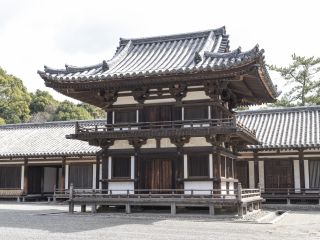
Built in 1240 and called the Relic Hall, the Drum Tower of Toshodai-ji enshrines relics said to have come with Ganjin and hosts the May fan-scattering rite, Uchiwamaki.
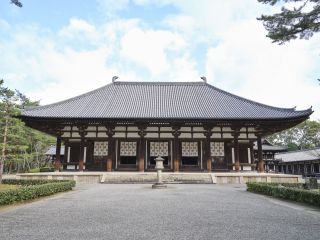
The Golden Hall of Toshodai-ji is the only surviving temple main hall from Japan's Nara era, fronting three National Treasure Buddhas beneath a shibi-crowned tiled roof.
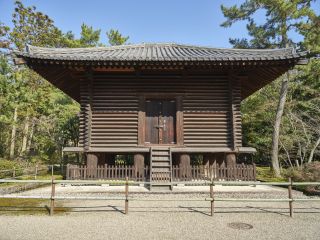
The Treasure House of Toshodai-ji is a Nara-period log storehouse built in the azekura method, standing beside the older Sutra Repository that predates the temple.

A fourteenth-century Yuan painting of a palace lady with a flute in a private collection, a National Treasure since 1952.
A late landscape by Sesshu in a private collection, a National Treasure since 1953, with two pines on a rock and layered lake and pavilions.
A late ninth-century vertical genealogy of the Amabe family, priests of Kono Shrine in Miyazu, privately owned and a National Treasure since 1976.