
National Treasure
国 宝 一 覧Browse Japan’s National Treasures by prefecture, period, and type. Clear stories highlight what to look for at temples, shrines, castles, and museums—plus maps and travel tips.
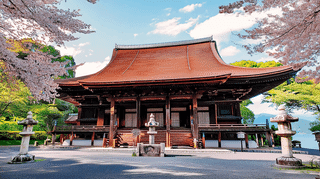
A Momoyama-period golden hall in Shiga Prefecture, dated to 1599. Its commentary field stands empty, while the structural field of it is a fuller one.
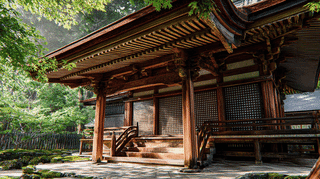
An early Muromachi hall in Shiga Prefecture, rebuilt in 1347. A temple building, it is filed here under the shrines rather than under any temples at all.
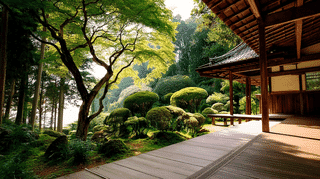
A Momoyama-period guest hall in Shiga Prefecture, built in the year 1600. Its category field here reads residence rather than temple or else a shrine.
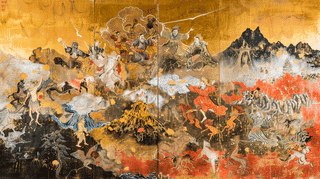
A Kamakura-period painting in several scrolls at Shojuraigoji in Otsu, Shiga. A copy of the work itself carries a prefectural listing entirely of its own.
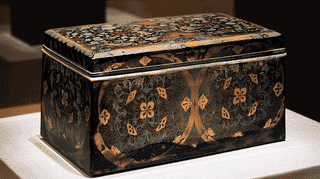
A Heian-period sutra box owned by Enryakuji in Shiga Prefecture. Gold marks out the flowers and the rings, and silver marks out the leaves and the stems.
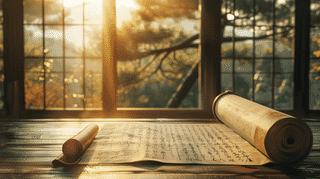
A Tang-period text owned by Enryakuji in Shiga Prefecture. Its own country field reads China, while its own period field gives the Tang dynasty of it.
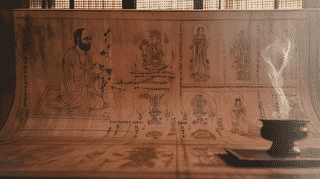
A Heian-period scroll of iconographic drawings at Onjoji in Shiga, lacking its opening. A complete scroll shares the very same designation number with it.
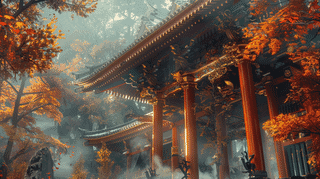
A middle Edo-period shrine in Kagoshima Prefecture. Three separate halls are named in its own title, and yet the quantity there is given as one alone.
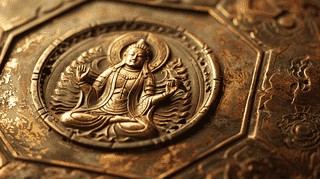
A Heian-period mirror owned by Suijinja in Akita Prefecture. Dug up in 1677, it was later enshrined in a small shrine that was built there just for it.
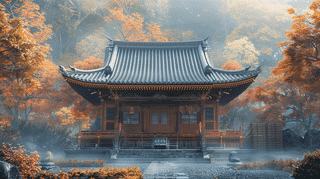
A mid-Muromachi hall at Shozokuin within Engakuji in Kamakura, held the oldest and purest Zen-style hall in Japan. Kanagawa's only National Treasure building.
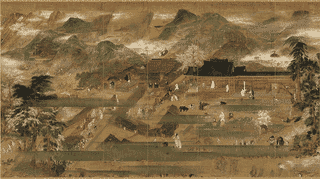
A Kamakura-period handscroll set at Shojokoji in Kanagawa. Its seventh scroll alone is held in Tokyo and recorded there as a wholly separate property.
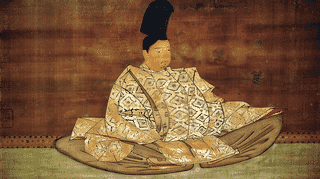
A Kamakura-period portrait at Shomyoji in Yokohama, showing the fourth and last of the four generations among the commanders that are all kept there today.
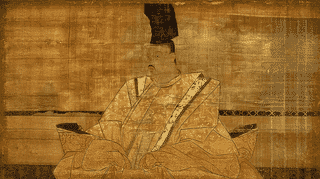
A Kamakura-period portrait at Shomyoji in Yokohama, one of the four scrolls that together span four generations of a single warrior house in Kamakura.
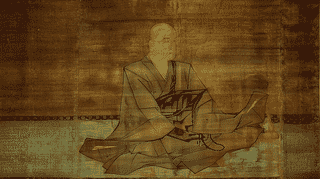
A Kamakura-period portrait at Shomyoji in Yokohama, one of the four scrolls that together span four generations of a single warrior house in Kamakura.
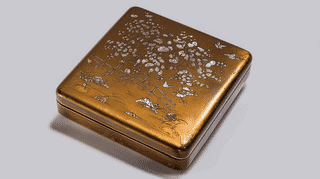
A Kamakura-period inkstone box at Tsurugaoka Hachimangu in Kanagawa. Its own design reaches even a floor that is seen only when the tray is lifted out.
Two Kamakura-period handscrolls at Komyoji in Kanagawa Prefecture. A document dated to the year 1793 is designated alongside them here as an appendage.
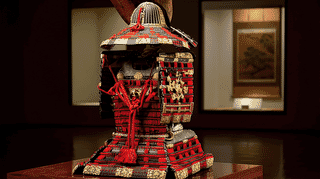
A Kamakura-period armour in Aomori Prefecture. It and a National Treasure of the same name over in Nara are together called a matched pair of the two.
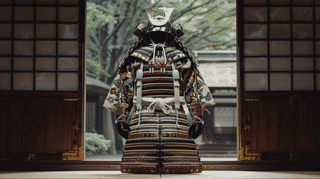
A Nanbokucho-period armour in Aomori Prefecture. It and the shrine's other armour together took both of the steps of listing on the very same two days.
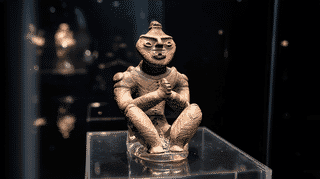
A late Jomon-period figurine in Aomori Prefecture, mended with the natural asphalt by the people of its own time after it had been broken into four parts.
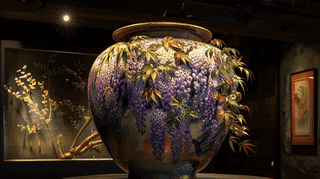
An Edo-period tea jar in Shizuoka Prefecture, its milky glaze painted over with wisteria in five separate colours, with silver and gold set among these.