
National Treasure
国 宝 一 覧Browse Japan’s National Treasures by prefecture, period, and type. Clear stories highlight what to look for at temples, shrines, castles, and museums—plus maps and travel tips.
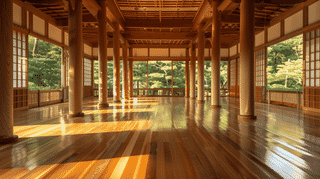
A local school begun in 1666 by Ikeda Mitsumasa in Bizen, Okayama. Its lecture hall of 1701, roofed in Bizen ware, became a National Treasure in 1953.
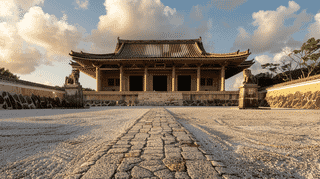
The royal tomb of the second Sho dynasty at Naha, built in 1501. Its three gabled chambers were divided by the stage of burial and by rank of the dead.
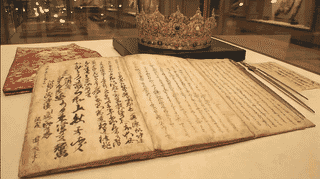
The Sho family's material at the Naha City Museum of History, 1,292 items. Other archives burned or were destroyed; what had been kept in Tokyo survived.
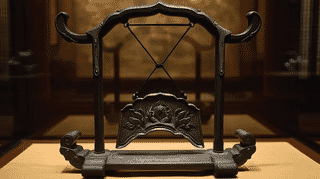
A Kamakura gong at Chusonji in Hiraizumi, Iwate. Its inscription records a gift to Motsuji in 1250, and only the peacocks on the front bear flowers in their beaks.
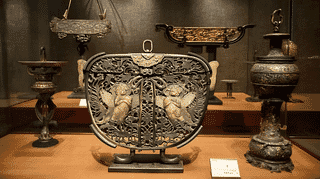
Four Kamakura ritual objects from the sutra repository at Chusonji in Iwate. The gong stand has lost its shell inlay, and only the cuts for it remain.
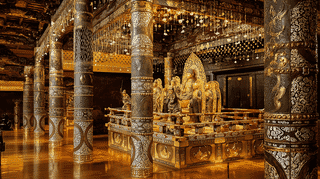
Heian ritual objects in the Golden Hall of Chusonji, Iwate, listed as fourteen items. What is designated is the equipment inside, not the hall itself.
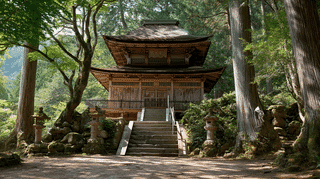
A sutra repository of 1408 at Ankokuji in Takayama, Gifu. Inside it stands an octagonal cabinet for the scriptures that turns about a post at its centre.
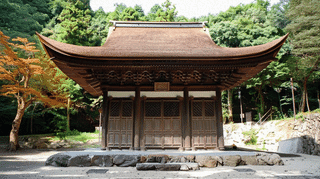
A founder's hall at Eihoji in Tajimi, Gifu, joining an outer and an inner chamber through a linking bay. The inner chamber is thought the older of the two.
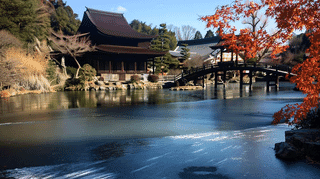
A middle-sized Zen Buddha hall at Eihoji in Tajimi, Gifu, three bays square. It simplifies the Zen manner and leaves its front open to the outside air.
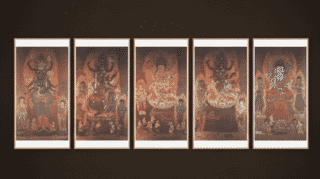
Five Heian scrolls at Kishinji in Ono, Gifu. Only three complete sets survive from before the Kamakura period, and two of these scrolls carry a date on them.
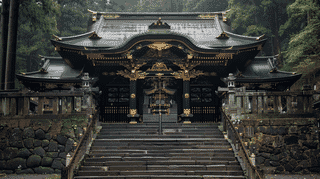
Osaki Hachiman Shrine in Sendai was founded by Date Masamune in 1607. Sanctuary and hall are joined by a low-floored stone room, the oldest example of the form.
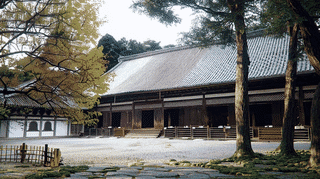
The abbot's hall Date Masamune built when he revived Zuiganji in Matsushima in 1609, with ten painted rooms, a unique alcove and a carved Onari entrance.
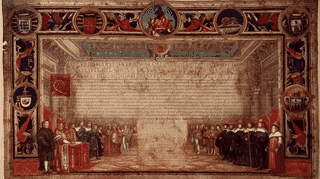
Forty-seven items at the Sendai City Museum, brought back from Europe by Hasekura Tsunenaga, envoy of the lord of the Sendai domain to Spain and to Rome.
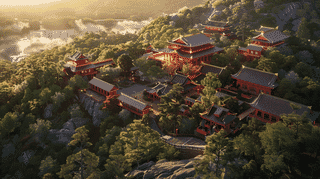
Experience the 1,160-year-old Iwashimizu Hachimangu Shrine, a National Treasure featuring rare Hachiman-zukuri architecture, imperial history, and surprising connections to Edison's light bulb. Just 30 minutes from Kyoto without the crowds.
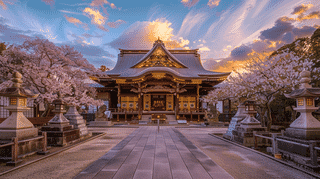
A shrine in Kamigyo Ward, Kyoto, where a stone chamber joins the main hall to the worship hall, with a pair of music rooms adjoining on either side of it.
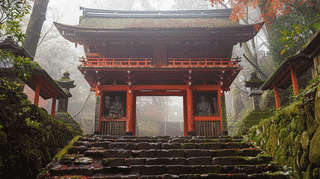
A two-storey gate of the Kamakura period on Kimino-san in Ayabe, Kyoto, roofed in thick chestnut boards. An inscription found in repair fixed its date.
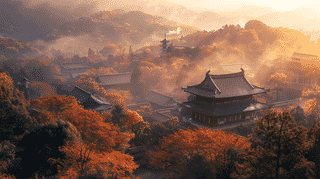
Discover Daitoku-ji Temple, Kyoto's 700-year-old Zen complex housing National Treasures and revolutionary gardens. Birthplace of Japanese tea ceremony and wabi-sabi aesthetics, this temple village offers authentic cultural immersion beyond typical tourism.
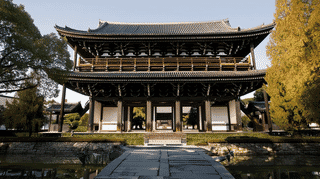
A two-storey gate of five bays at Tofukuji in Kyoto. Though it stands at a Zen temple, its structure follows the great Buddha manner instead of the Zen.
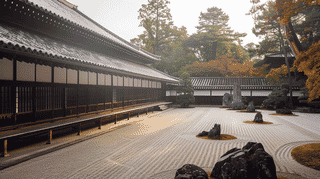
A building at Nanzenji in Kyoto in which a greater and a lesser hall join to form one. The official record lists all of its rooms one by one, by name.
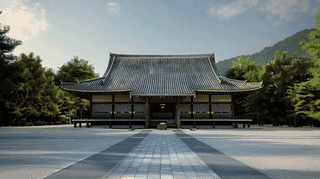
Ninnaji Temple Golden Hall is the imperial Shishinden moved here in 1643, the only early modern throne hall left. Its value, shutters, roof tiles and viewing.