
National Treasure
国 宝 一 覧Browse Japan’s National Treasures by prefecture, period, and type. Clear stories highlight what to look for at temples, shrines, castles, and museums—plus maps and travel tips.
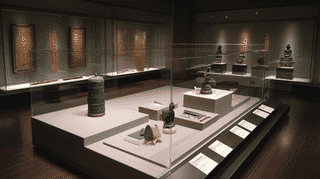
Finds from sutra mounds at Kyogamine on Mount Asama in Ise, Mie, listed mound by mound. Inscriptions date them between 1159 and 1173. National Treasure since 1963.
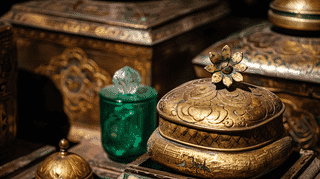
Finds from the site of Sufukuji in Otsu, Shiga, recovered in 1938 from a cavity in the pagoda's foundation stone. Four nested containers held three crystal relics.
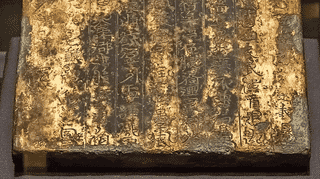
A Nara-period gilt bronze epitaph found at Magami in Takatsuki, Osaka, now at the Osaka Museum of History. Dated 762, it records lineage, office and burial.
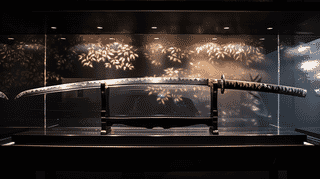
A Kamakura tachi in Osaka Prefecture, 73.3 centimetres long. Its unaltered tang still carries the signature of Sukekane. National Treasure since 1957.
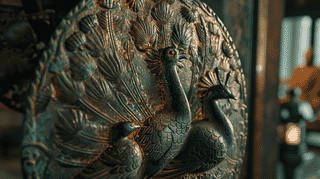
A Kamakura gong at the treasure hall of Usa Jingu in Oita. Its inscription records casting in 1209 for Mirokuji, making it a dated standard of reference.
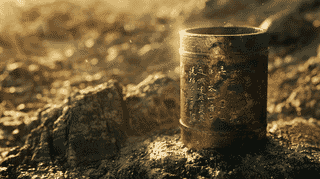
Finds from a sutra mound in Yurihama, Tottori, designated as a single lot. An inscription shows the monk Kyoson raised the mound in 1103, awaiting Maitreya.
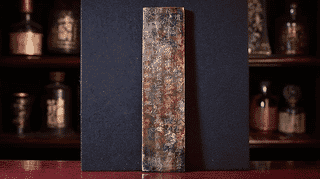
A copper epitaph found at Matsuokayama in Kashiwara, Osaka, now at the Mitsui Memorial Museum. Its inscription dates the burial to 668. National Treasure since 1961.
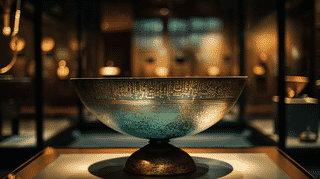
A Nara-period bronze finial inscribed with a date matching 715. Part of a pagoda mast, it survives where the pagoda does not. National Treasure since 1953.
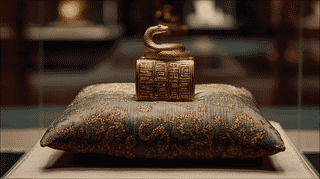
A solid gold seal of the Yayoi period at the Fukuoka City Museum, found on Shikanoshima in 1784. Its five characters set out the diplomatic ranking of the Han.
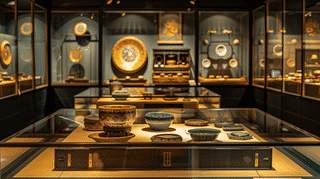
Objects said to come from the Okitsumiya ritual site on Okinoshima. The word attributed marks unconfirmed provenance, kept apart from the confirmed finds.
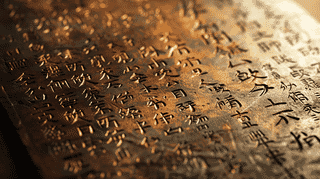
Heian copper plates found on Mount Kubote in Fukuoka, now at the Kyushu National Museum. Made in 1142; the images on their box are a rare pictorial source.
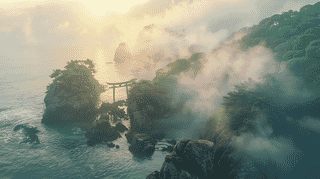
Finds from the Okitsumiya ritual site on Okinoshima in Fukuoka, spanning the Kofun to Heian periods. Designated a National Treasure as a single lot in 1962.
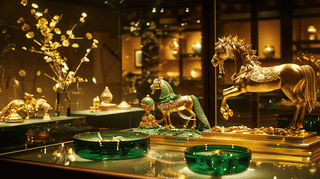
Grave goods from an early seventh-century mound in the precinct of Miyajidake Shrine in Fukuoka, including gilt bronze horse trappings. National Treasure since 1952.
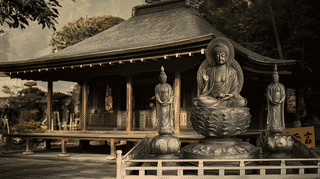
A Kamakura Amida hall in Nishio, Aichi, carrying techniques shared with Heian aristocratic houses. It is the oldest timber building in the prefecture.
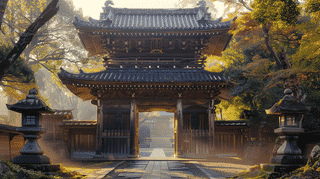
A two-storeyed gate at Ishiteji in Matsuyama, Ehime, said to date from 1318. Its frog-leg struts are held masterpieces carrying the Kamakura character.
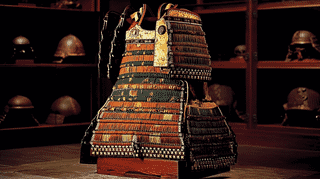
A Heian great armour at Oyamazumi Shrine in Ehime, laced in three colours to form an arrowhead plant. The Agency calls it the oldest armour surviving.
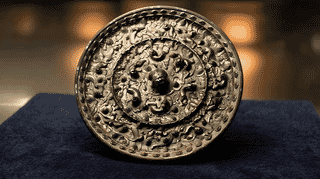
A Tang bronze mirror at Oyamazumi Shrine in Ehime, 26.8 centimetres across. A grapevine forms the ground beneath birds and beasts. National Treasure since 1953.
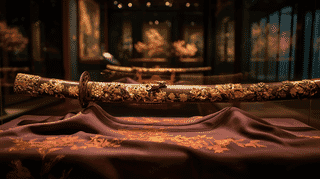
A Kamakura sword mounting at Oyamazumi Shrine in Ehime, 96.3 centimetres long. Its peony arabesque is cut differently on each part. National Treasure since 1955.
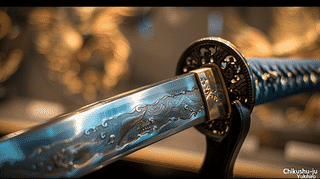
A Nanbokucho dagger at the Tsuchiura City Museum in Ibaraki, 23.5 centimetres long and dated to 1350. The work of Yukihiro of the Sa school of Chikuzen.
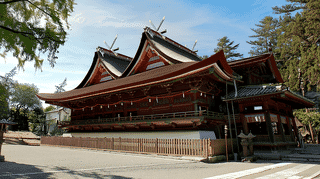
The halls of Kibitsu Shrine in Okayama were rebuilt in 1425 by Ashikaga Yoshimitsu. Two hip-and-gable roofs joined front and back form a shape found nowhere else.