
National Treasure
国 宝 一 覧Browse Japan’s National Treasures by prefecture, period, and type. Clear stories highlight what to look for at temples, shrines, castles, and museums—plus maps and travel tips.
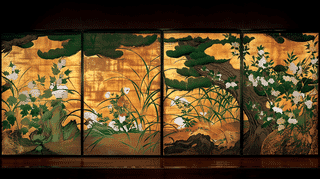
A pair of Momoyama folding screens at Chishakuin in Kyoto. The official record names no artist at all, and the title itself is written to show that gap.
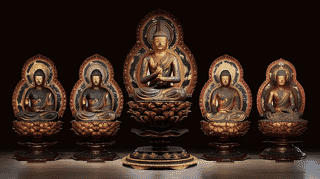
Five Heian-period sculptures at the Kyoto National Museum, owned by Anshoji. A hundred and nine full years separate the two listings that they now hold.
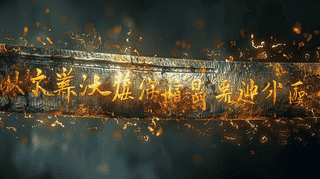
Kofun-period finds at a museum in Saitama, listed together as one single lot. The gold-inscribed iron sword among them is a contemporary source of it.

Thirty-nine Yayoi bronze bells found in 1996 at the Kamo Iwakura site in Shimane, the largest single find in Japan. They became National Treasures in 2008.
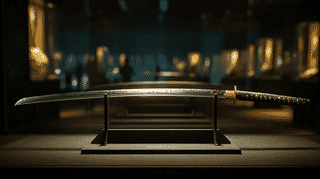
A Kamakura-period katana at the Tokyo National Museum in Tokyo. Its tang was cut right back, so the name of the maker had to be inlaid in gold later on.
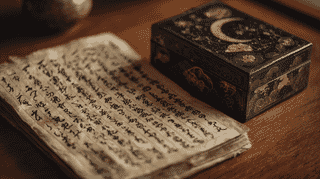
A manuscript in Teika's own hand kept in Tokyo. The same disordered leaves running through all the later copies proved this one to be the ancestor.
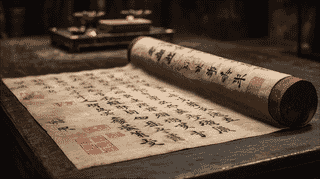
A Tang-dynasty copy of a letter by Wang Xizhi, kept in Tokyo. Nothing at all in his own hand survives, and so the copy itself is now the treasure here.
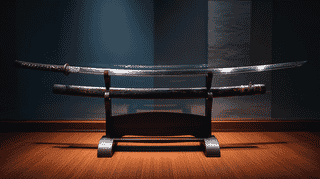
A Kamakura-period tachi held at the Tokyo National Museum in Tokyo. Its tang was never once cut back at all, and so the smith's own signature survives.
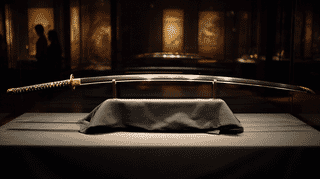
A Heian-period tachi held at the Tokyo National Museum in Tokyo. Its signature does survive, but several smiths in Bizen once bore this very same name.
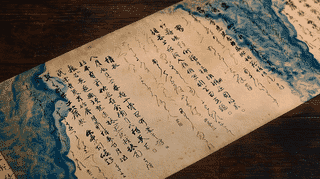
Two Heian-period scrolls kept in Tokyo, written on paper bearing indigo cloud shapes. Tradition and inference here name two quite different hands for it.
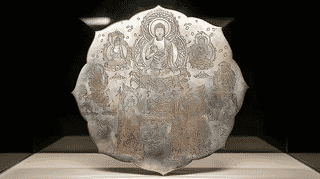
An eight-lobed Heian-period mirror in Nara Prefecture. Nine Buddhist figures stand engraved upon its face, while flowers and birds cover all the back.
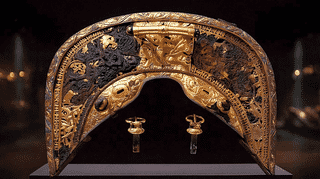
Kofun-period finds in Nara Prefecture, listed as a single lot. The tomb itself is placed about 350 metres to the west of Horyuji, and not by any address.
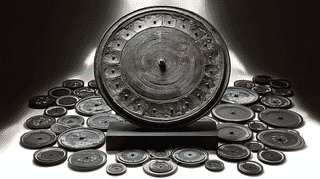
Yayoi-period finds in Fukuoka Prefecture, listed as a single lot. What came from the central burial is the property, and all of the rest an appendage.
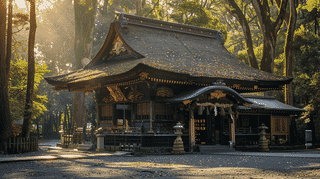
Five Momoyama-period shrine buildings in Kumamoto Prefecture. A concrete bridge within that very same precinct is registered, and not designated.
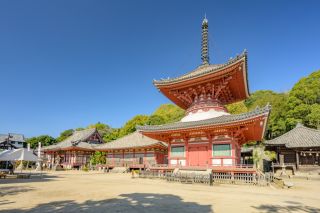
Jodoji Temple Tahoto Pagoda in Onomichi was rebuilt in 1329 after a fire. Praised for its balance and original details, it held hand-copied sutras in its spire.
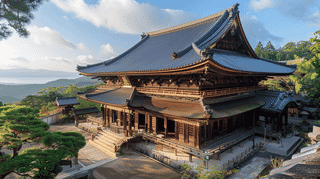
Jodoji Temple Main Hall in Onomichi, built in 1327 after a fire, is an eclectic-style hall rated among the oldest on the Seto Inland Sea. What to see inside.
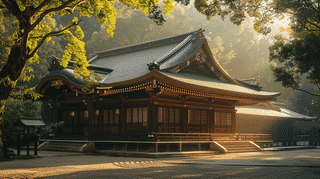
A late Muromachi-period hall in Hiroshima Prefecture. It once stood in Yamaguchi as the Buddha hall of a Zen temple, and was later moved over to here.
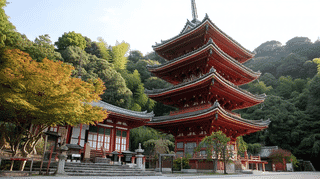
An early Muromachi-period pagoda in Hiroshima Prefecture. The image standing within it was renamed after an investigation carried out there in the 1990s.
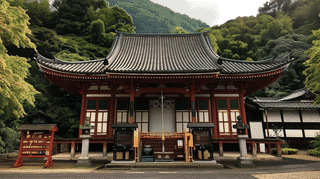
A late Kamakura-period hall in Hiroshima Prefecture. It and the temple's own pagoda took the two steps of the listing here in quite the opposite order.
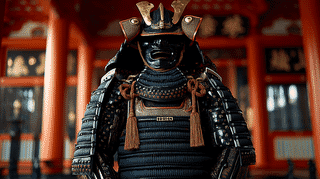
A Nanbokucho-period suit owned by Itsukushima Shrine in Hiroshima Prefecture. A National Treasure of the very same name also stands at Kasuga Taisha too.