
National Treasure
国 宝 一 覧Browse Japan’s National Treasures by prefecture, period, and type. Clear stories highlight what to look for at temples, shrines, castles, and museums—plus maps and travel tips.
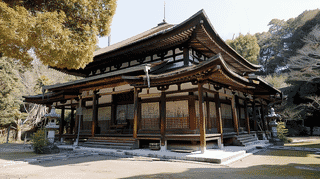
The Amida Hall of Hokaiji in Hino, Kyoto, is an early Kamakura Pure Land hall with a pent roof, a great seated Amida and painted celestials, clean and generous.
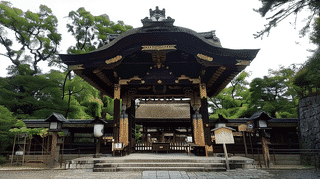
A four-legged gate of the Momoyama period at Toyokuni Shrine in Kyoto. It is said to have come from Fushimi Castle by way of two other sites before this.
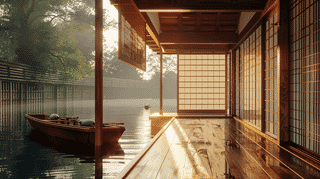
A three-storey pavilion at Honganji in Kyoto. Its north and south faces agree at 25.8 metres while its east and west faces do not agree with each other.
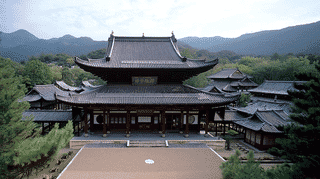
The head temple of the Obaku school at Uji, Kyoto. Its layout and its manner alike follow Chinese Buddhist building of the late Ming and the early Qing.
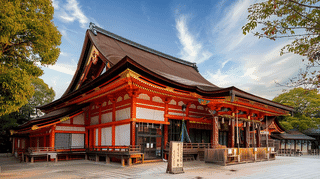
A shrine hall in Gion, Kyoto, seven bays by six, with three bays projecting at the back. Built in 1654, it was designated a National Treasure in 2020.
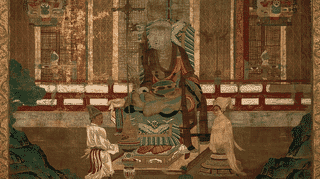
A Buddhist painting in sixteen scrolls owned by Seiryoji in Kyoto. The record gives its country as Song and its period as Northern Song, not as Japan.
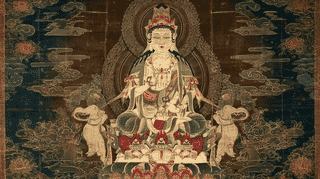
A Heian Buddhist painting on one scroll, owned by Matsunoodera in Maizuru, Kyoto. The whole of its official commentary runs to a single short sentence.
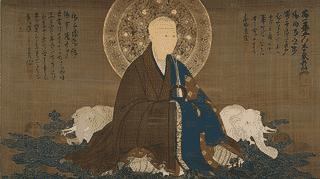
A Southern Song painting on one scroll at Tofukuji, Kyoto, showing the full figure. It came down in a single box with a second scroll of the same title.
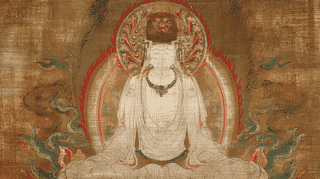
A Kamakura-period Buddhist painting on one scroll, owned by Kosanji in Kyoto. The whole of its official commentary runs to just a single short sentence.
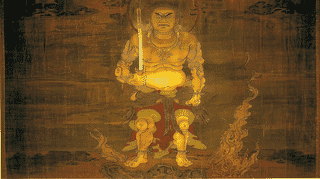
A Heian-period Buddhist painting on one scroll at Manshuin in Kyoto. Works of the very same name are listed by a prefecture and by a city as well as nationally.
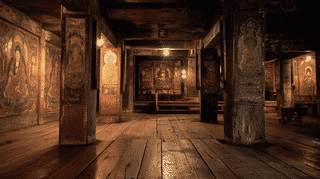
Eighteen painted surfaces inside a Heian-period pagoda at Daigoji in Kyoto, finished in 951 at the very same moment that the pagoda itself had been done.
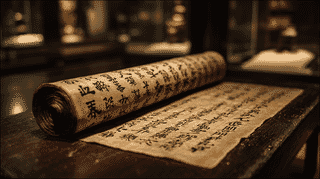
An Asuka-period sutra scroll owned by the state in Kyoto Prefecture. Its own colophon fixes the cyclical year, and the record enters 686 as the date of it.
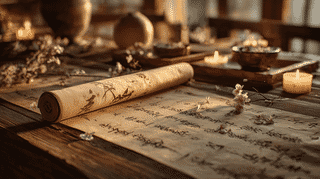
Nine manuscript volumes at Kyoto University in Kyoto Prefecture. The title of the work itself can be established from this one surviving copy of them.
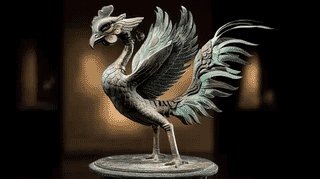
A pair of Heian-period gilt bronze phoenixes owned by Byodoin, which once stood upon the great ridge of the Phoenix Hall and were later taken down from it.
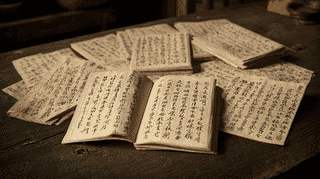
Thirty Heian-period booklets at Ninnaji in Kyoto Prefecture. The box that was made for them was listed as a National Treasure on that very same day.
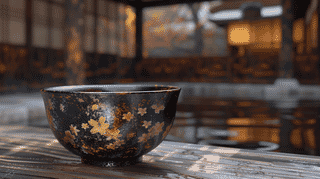
A Southern Song tea bowl held at Shokokuji in Kyoto Prefecture. On the inside, the pattern is formed exactly where the upper glaze was simply left off.
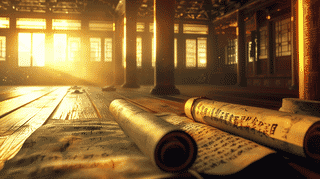
Three Tang-dynasty scrolls at Kosanji in Kyoto Prefecture. The country field of the official record reads China here, and it does not read Japan at all.
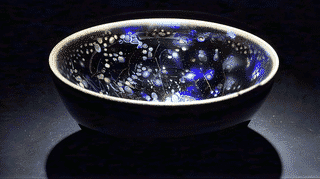
A tea bowl held at Ryukoin in Kyoto Prefecture. Yet another bowl of the very same name is recorded there under a different system of listing altogether.
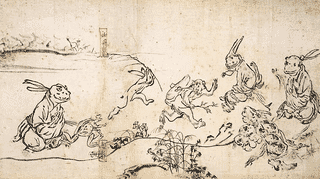
Four handscrolls at Kosanji in Kyoto, of the Heian and Kamakura periods. Another record shows that the first of them had once been two separate scrolls.
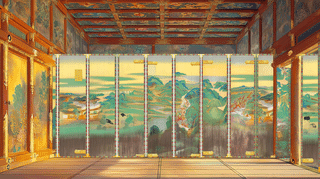
Fourteen painted surfaces inside the Phoenix Hall at Byodoin in Uji, Kyoto, dating from 1053, the very year in which the hall around them was completed.