
National Treasure
国 宝 一 覧Browse Japan’s National Treasures by prefecture, period, and type. Clear stories highlight what to look for at temples, shrines, castles, and museums—plus maps and travel tips.
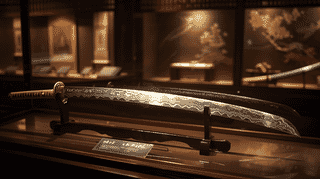
A Heian-period tachi held at the Tokyo National Museum in Tokyo. Its by-name here comes from the crescent moon shapes running along the temper line of it.
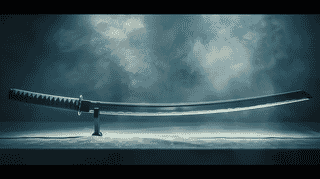
A Heian-period tachi held in Tokyo. One single maker goes under three names across the one record here: the signature, a surname, and a by-name as well.
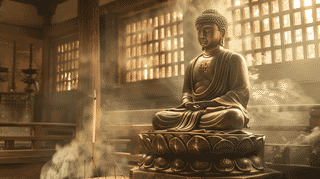
A gilt bronze Buddha at Jindaiji in Tokyo, seated on a chair with both feet forward. Found beneath an altar platform in 1909, it became a National Treasure in 2017.
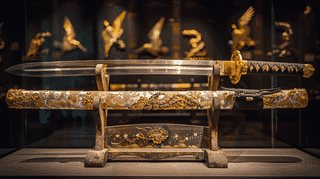
A Heian-period ceremonial sword at the Tokyo National Museum in Tokyo. Its title here uses the older variant characters for two of the words within it.
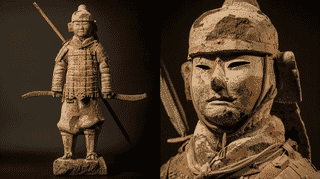
A Kofun-period haniwa at the Tokyo National Museum in Tokyo, counted here as one single figure rather than being gathered into a lot with other finds.
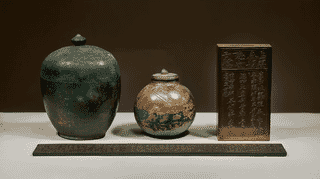
Archaeological material at the Tokyo National Museum in Tokyo. Its containers nest three deep here: a box, a jar, and a glass jar set inside that one.
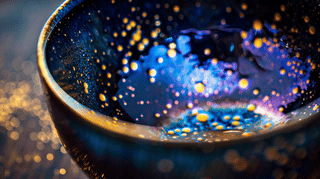
A Southern Song tea bowl in Tokyo, known as the Inaba Tenmoku. Another bowl of the very same name here was listed on exactly the same day as this one.
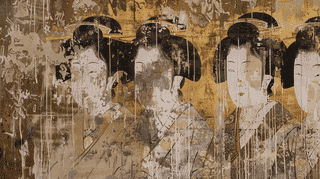
A Kamakura-period sutra scroll kept in Tokyo, written upon the underdrawings for a picture scroll that a death had left unfinished halfway through it.
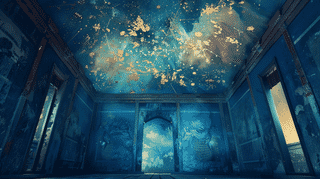
Five Asuka-period murals from the Kitora tomb in Nara, the only set in Japan where all four guardians survive. Its ceiling star chart is the oldest in East Asia.
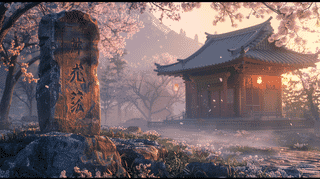
A stele owned by Kasaishi Shrine in Tochigi Prefecture. The era name that its own inscription carries here is Chinese, rather than a Japanese one at all.
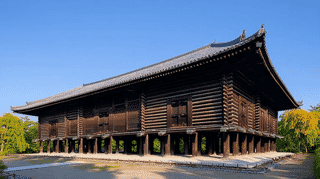
A Nara-period storehouse northwest of the Great Buddha Hall at Todaiji, the only azekura building keeping the twin-storehouse form. National Treasure since 1997.
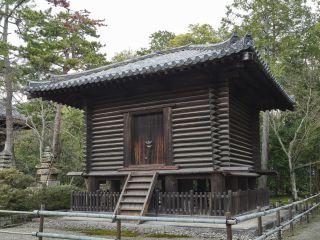
A Nara-period log storehouse in Nara Prefecture. It had stood there before the temple did, and was converted later on when the precinct was laid out here.
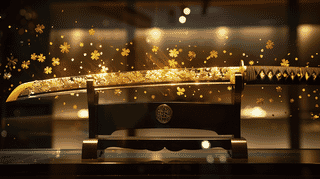
A Kamakura-period sword owned by Kasuga Taisha in Nara Prefecture. Its own commentary here lists only how it differs from the other sword kept there now.
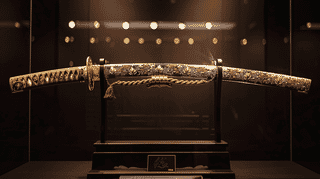
A Kamakura-period sword owned by Kasuga Taisha in Nara Prefecture. Unlike its own companion sword there, its commentary stands on its own two feet here.
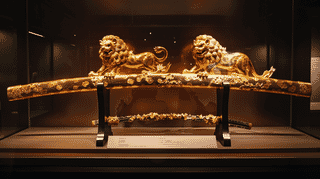
A Kamakura-period sword owned by Kasuga Taisha in Nara Prefecture. Of the three swords numbered in sequence there, only this one was listed early on now.
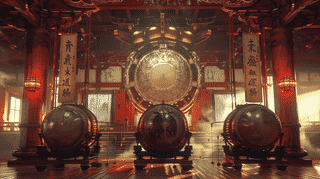
A pair of great ceremonial drums owned by Kasuga Taisha in Nara Prefecture. A hundred and nineteen full years lie between its own two listings here now.
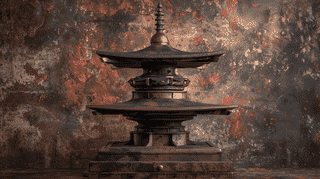
A Kamakura-period pagoda owned by Saidaiji in Nara Prefecture. A museum now holds it, so its own location and its own owner are recorded well apart here.
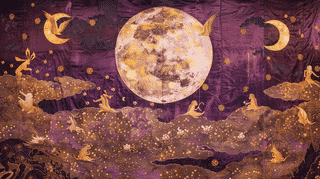
An Asuka-period embroidery owned by Chuguji in Nara Prefecture. Asuka work and a Kamakura copy of it sit together within one and the very same frame now.
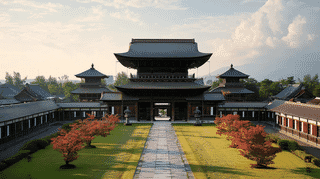
A Soto Zen temple in Toyama Prefecture. Timber taken out during the repairs there was made into a small vessel, and that too is recorded here separately.
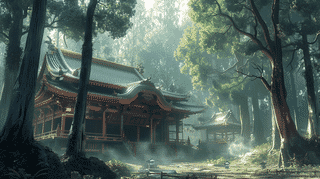
A late Kamakura-period hall in Kobe, Hyogo Prefecture. Another hall of exactly the same name over in Ehime is also a National Treasure in its own right.