
Meiji
Yamanashi · 明治Browse Yamanashi’s cultural heritage from the Meiji period (1868 – 1912). Filter by type and keyword, with concise stories, maps, and travel tips.
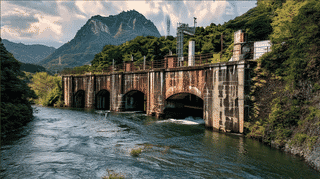
A Meiji-period hydroelectric installation in Yamanashi Prefecture. Its own structures there are recorded under two quite different owner names even now.
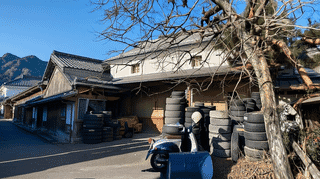
Explore the Obaraya Harada Shoten Shinzashiki, a National Registered Tangible Cultural Property in Fujikawa, Yamanashi. This Meiji-era merchant storehouse preserves the legacy of Fujikawa River trade that connected mountains to the sea for over 300 years.
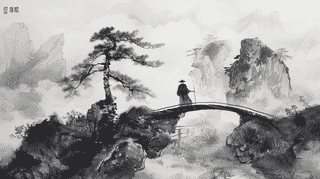
A Southern Song painting on one scroll at Kuonji in Yamanashi, recorded as having once formed a single set with two other scrolls held elsewhere today.

Built in 1875 in Mutsuzawa Village, Yamanashi Prefecture, this pseudo-Western schoolhouse is the finest surviving example of Fujimura-style architecture from early Meiji Japan. Designated a national Important Cultural Property in 1967, it now stands at JR Kofu Station as the free-admission Fujimura Memorial Hall.
Discover Ichikawa Church, an 1897 wooden chapel blending Japanese kura warehouse design with Western architecture. A Registered Tangible Cultural Property in Ichikawamisato, Yamanashi Prefecture.
Discover the Iwashita Onsen Ryokan Former Building, a nationally registered tangible cultural property in Yamanashi City. Built around 1875, this traditional wooden inn features a rare semi-underground bathhouse fed by one of the oldest natural springs in the Koshu region.
Discover Yashikiiri-sawa No. 7 Stone Check Dam, a Registered Tangible Cultural Property in Fuefuki City, Yamanashi. Built between 1910 and 1918 using masterful dry stone masonry, this sabo dam still protects local communities from landslides over a century later.
Discover the Lumière Old Underground Fermentation Tanks, a Registered Tangible Cultural Property built in 1901. Located in Fuefuki, Yamanashi, these granite stone tanks are the oldest European-style wine fermentation vaults in Japan and are still used for winemaking today.