
National Treasures of Mie
三 重 県 の 国 宝Mie’s national treasures — properties designated kokuhō for their exceptional value to the nation.
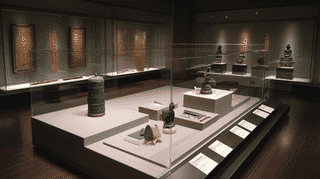
Finds from sutra mounds at Kyogamine on Mount Asama in Ise, Mie, listed mound by mound. Inscriptions date them between 1159 and 1173. National Treasure since 1963.
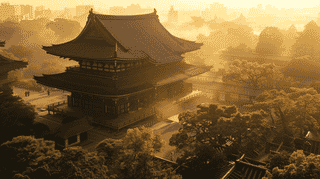
A middle Edo-period hall in Mie Prefecture. Zen in its outward appearance, it nonetheless keeps the plan usual to a Shin Buddhist main hall inside it.

A middle Edo-period hall in Mie Prefecture. Nine bays in each direction, it has the largest square plan met among all of the buildings covered so far.

At the Grand Shrine of Ise, this scroll is volume 22 of the Yupian, a Chinese dictionary lost in China. Copied in 904, its back bears an Ise priesthood register.
Discover the Saihō Shinan Shō, a National Treasure manuscript handwritten by Shinran at age 84, preserving the teachings of his master Hōnen. Housed at Senjuji Temple in Tsu, Mie Prefecture, this 13th-century Buddhist treasure offers a rare window into the origins of Pure Land Buddhism in Japan.
Three booklets of Japanese hymns by Shinran, founder of Pure Land Buddhism, partly in his own hand. Kept at Senju-ji in Mie and named a National Treasure in 1953.
Discover the National Treasure haniwa excavated from Takarazuka Tumulus No. 1 in Matsusaka, Mie Prefecture. Featuring Japan's largest boat-shaped haniwa with unique three-dimensional decorations, this 5th-century collection of 278 artifacts offers a rare window into ancient Kofun-period funeral rituals. Visit the Haniwa Museum to see these extraordinary clay figures.
More from Mie
Mie’s registered properties across designations, with featured heritage and travel notes.
The complete kokuhō catalogue — browse by prefecture, period, and category.
Nationwide jūyō bunkazai — architecture, sculpture, painting, crafts, and documents.