
National Treasures of Miyagi
宮 城 県 の 国 宝Miyagi’s national treasures — properties designated kokuhō for their exceptional value to the nation.
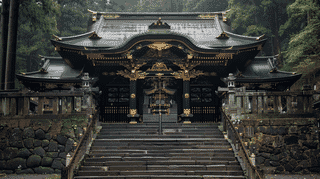
Osaki Hachiman Shrine in Sendai was founded by Date Masamune in 1607. Sanctuary and hall are joined by a low-floored stone room, the oldest example of the form.
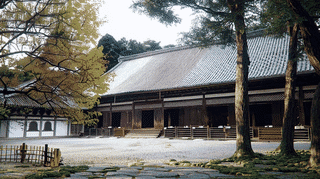
An abbot's chamber of 1609 at Zuiganji in Matsushima, Miyagi, thirteen bays long. Its ten rooms take their names from the paintings that cover their walls.
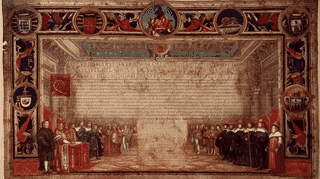
Forty-seven items at the Sendai City Museum, brought back from Europe by Hasekura Tsunenaga, envoy of the lord of the Sendai domain to Spain and to Rome.
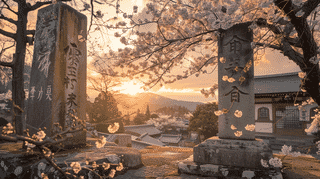
Discover the Tagajo Monument, one of Japan's three oldest stone inscriptions and newest National Treasure. This 8th-century frontier marker near Sendai offers free access to authentic ancient history, seasonal beauty, and the exact spot where haiku master Matsuo Basho wept.

Discover the Kuri (kitchen) and corridor of Zuigan-ji Temple in Matsushima, one of only two temple kitchens designated as National Treasures in Japan. Built in 1609 by Date Masamune, these structures showcase exquisite Momoyama-period craftsmanship.
Transcribed in 1073 CE by the Heian-period court scholar Ōe no Iekuni, Volume 10 of the Shiji (Records of the Grand Historian) at Tohoku University Library is the world's oldest dated manuscript of Sima Qian's monumental Chinese history. Designated a National Treasure, it preserves invaluable kunten reading marks that illuminate the history of the Japanese language and classical scholarship.
Discover Ruiju Kokushi Volume 25, a National Treasure housed at Tohoku University in Sendai. Compiled by Sugawara no Michizane in 892, this rare Heian-period manuscript preserves Japan's ancient imperial history.
More from Miyagi
Miyagi’s registered properties across designations, with featured heritage and travel notes.
The complete kokuhō catalogue — browse by prefecture, period, and category.
Nationwide jūyō bunkazai — architecture, sculpture, painting, crafts, and documents.