
Kamakura
Oita · 鎌倉Browse Oita’s cultural heritage from the Kamakura period (1185 – 1333). Filter by type and keyword, with concise stories, maps, and travel tips.
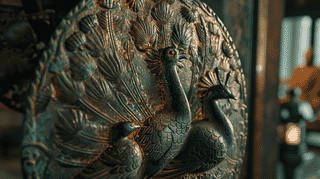
A Kamakura gong at the treasure hall of Usa Jingu in Oita. Its inscription records casting in 1209 for Mirokuji, making it a dated standard of reference.
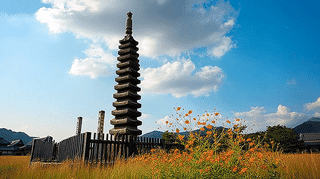
An early Kamakura-period stone pagoda in Usuki, Oita Prefecture. Its own owner there is recorded in two quite different ways in the two records today.

Discover the Usa-gū Shinryō Ōkagami, an Important Cultural Property and the sole surviving Kamakura-period manuscript documenting the sacred estates of Usa Jingū, the head shrine of over 44,000 Hachiman shrines across Japan.
An Important Cultural Property held by a private owner in Oita Prefecture, this hanging-scroll fragment is one section of the celebrated Satake-bon Sanjurokkasen-e — a 13th-century Kamakura-period scroll widely regarded as the finest surviving example of poet-portrait painting in Japan. Traditionally attributed in painting to Fujiwara no Nobuzane and in calligraphy to Gokyogoku Yoshitsune, the fragment depicts the Heian poet Fujiwara no Kanesuke (Tsutsumi Chunagon), great-grandfather of Genji author Murasaki Shikibu. It is one of 37 sections created when the original handscroll was famously divided in 1919, an event known as the Emaki Setsudan. This article guides visitors through the work's artistic significance, its remarkable scattering, and the cultural attractions of Oita that surround it.
This 2.97-metre stone pagoda of 1321 at Kitsuki, Oita, was commissioned by a living patron for his own repose. Around a hundred medieval stones share the hillside.
Carved in 1316 and toppled into a shrine pond in the Meiji purge of Buddhist objects, this andesite pagoda was rescued in 1889 and stands at Shoonji, Kunisaki, Oita.
A stone hoto at Higashikataku in Kunisaki, Oita, 3.97 m high. Ki no Nagasada raised it in 1321 as his own memorial; the largest dated Kunisaki-to to survive intact.
The Hiyoshi-to, a late Kamakura tuff pagoda at Mangetsuji in Usuki, rises over four metres: Japan's tallest hokyointo, an Important Cultural Property since 1954.
Sixty-one Buddhas carved into volcanic cliffs in Usuki, Oita, became Japan's first rock-cut National Treasures in 1995. Meet the restored Furuzono Dainichi.