
Edo
Toyama · 江戸Browse Toyama’s cultural heritage from the Edo period (1603 – 1868). Filter by type and keyword, with concise stories, maps, and travel tips.
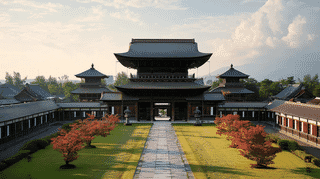
Discover Zuiryuji Temple, a magnificent 17th-century Zen Buddhist temple in Takaoka, featuring three National Treasure buildings and perfect symmetrical architecture that embodies the wealth and power of the Kaga Domain.
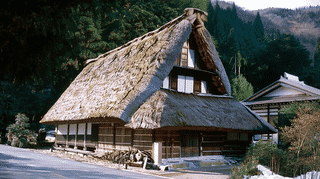
Explore Hamba Family Residence, an Important Cultural Property preserving the earliest form of gasshō-zukuri architecture near the UNESCO World Heritage Gokayama region. Discover its 300+ year history, unique architectural features, and authentic rural Japan experience.

Discover the Iwase Family Residence in Gokayama, Toyama — Japan's largest surviving gasshō-zukuri farmhouse. Designated as an Important Cultural Property, this five-story thatched-roof masterpiece reveals the secrets of Edo-period saltpeter production and mountain village life.
Discover Shokoji Temple in Takaoka, Toyama — a recently designated National Treasure featuring 12 magnificent Edo-period buildings, the Seven Wonders, and a 23-year restoration masterpiece. Plan your visit to this hidden gem of Japanese Buddhist heritage.
The front gate is the first thing visitors meet, a heavy, imposing structure fit for a family ranked among Etchu's great landlords and village officers.
The north gate opens onto the estate's working side, where the work yard and well stood, carrying daily farm labour rather than the formal reception of the front gate.
Built in 1868, the Uchiyama main house blends a working farmhouse with Meiji reception rooms: deep sheltering eaves, a moon-viewing platform and a hidden water-chime.