
National Treasures of Wakayama
和 歌 山 県 の 国 宝Wakayama’s national treasures — properties designated kokuhō for their exceptional value to the nation.
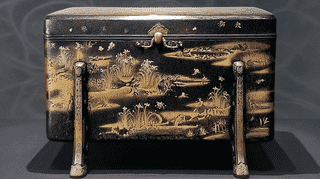
A Heian-period chest owned by Kongobuji in Wakayama Prefecture. Marsh and plovers on the outside, and wild grasses and butterflies within its own lid.
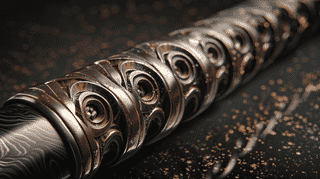
A Heian tachi mounting of Niutsuhime Shrine, spiral-wrapped in silver-plated copper with gilt fittings; the blade is lost. National Treasure, 1955; kept in Tokyo.

Discover the National Treasure Amida Triad on Silk at Renge Sanmai-in, Mount Kōya, Wakayama. This Kamakura-period Buddhist masterpiece features a unique iconography with Amida Buddha forming the teaching mudrā. Learn about its artistic significance, the legend of monk Myōhen, and how to visit Kōyasan Reihōkan museum.
The Tahoto of Kongo Sanmaiin on Koyasan, built in 1223 at a temple founded by Hojo Masako, is a National Treasure ranking with Ishiyamadera's as the oldest tahoto.
The Kongobuji Temple Fudo Hall is a late Kamakura hall on the Danjo Garan of Koyasan, a National Treasure since 1952, with unequal side bays and a layered bark roof.
A National Treasure in Kainan, Wakayama, this Zen-style Buddha hall is dated by a 1327 inscription inside its main image, with stout timbers and rare corner beams.
The Chohoji Temple Great Gate in Kainan, Wakayama, a gate of 1388 and a National Treasure since 1953, is famed for its proportions; the temple is closed.
The Chohoji Temple Tahoto Pagoda in Kainan, Wakayama, dated 1357 and a National Treasure since 1953, is a pure Japanese-style pagoda; the temple is closed.
The Chohoji Temple Main Hall in Kainan, Wakayama, built in 1311 and a National Treasure since 1953, blends Japanese and Zen styles; the temple is closed for repairs.
The Great Pagoda of Negoroji in Iwade, Wakayama, a National Treasure begun in 1480 and finished in 1547, is the largest surviving tahoto pagoda in Japan.
A National Treasure at Tomobuchi Hachiman Shrine in Wakayama: a portable shrine sent from Kyoto's Iwashimizu in 1228, among the oldest surviving in Japan.
Kongōbu-ji on Mount Kōya holds 4,296 scrolls of a Buddhist canon written on indigo paper in alternating gold and silver lines, commissioned by Fujiwara no Kiyohira.
A National Treasure preserved at Koyasan Reihokan Museum in Wakayama. This monumental three-scroll triptych from the late Heian period depicts Amida Buddha and over thirty bodhisattvas descending from the Western Pure Land—universally considered the supreme masterpiece of the raigō genre.
Three wrathful bodhisattvas on Mount Koya, painted around the tenth century as ritual icons protecting the realm. Two of the original five burned in 1888.
Held by Fumon-in Temple on Mount Kōya, the National Treasure 'Portrait of High Priest Gonsō on Silk' is a 12th-century Heian masterpiece depicting Kūkai's tonsure master with strikingly lifelike realism. The painting bears an inscribed eulogy traditionally attributed to Kūkai himself. The original is preserved at Kōyasan Reihōkan museum, where it is occasionally shown in special exhibitions of the mountain's treasures.
A National Treasure at Kongōbuji on Mt. Kōya, painted by the monk Jōchi in 1145. This rare dated work shows the rain-bringing dragon king as a deity in court robes.
A National Treasure at Ryukoin on Mount Koya. This late Heian painting shows the Kannon said to have calmed a storm during Kukai's sea voyage to Tang China.
Held by Kongobu-ji on Mount Koya in Wakayama Prefecture, the National Treasure Silk-Colored Buddha's Nirvana Painting bears an ink inscription dated to 1086 and is the oldest nirvana painting in Japan whose date of creation is confirmed. Depicting Shakyamuni entering final nirvana beneath the sala trees with the elegance and refined coloring of Heian aristocratic culture, it is one of the supreme masterpieces of Japanese Buddhist painting. It is housed at the Koyasan Reihokan Museum and shown during special exhibitions.
This Wakayama shrine holds about 1,200 medieval court furnishings from around 1390, from gold-lacquer toiletry boxes with their fittings to painted cypress fans.
A mid-8th-century copy of the ten-scroll Sutra of Golden Light packed into two scrolls in tiny characters. A Kōyasan National Treasure with rare reading marks.
More from Wakayama
Wakayama’s registered properties across designations, with featured heritage and travel notes.
The complete kokuhō catalogue — browse by prefecture, period, and category.
Nationwide jūyō bunkazai — architecture, sculpture, painting, crafts, and documents.