
Historic Sites, Places of Scenic Beauty, and Natural Monuments of Yamagata
山 形 県 の 史 跡 名 勝 天 然 記 念 物Yamagata · Historic Sites, Places of Scenic Beauty, and Natural Monuments
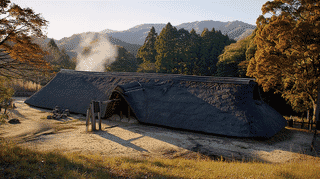
Discover the Ichinosaka Site in Yonezawa, Yamagata Prefecture—home to Japan's longest prehistoric longhouse at 44 meters. Explore this National Historic Site featuring a 6,000-year-old stone tool workshop and unique connected dwellings.
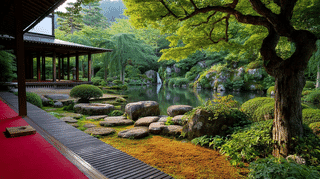
Discover Gyokusenji Temple Garden, a nationally designated Place of Scenic Beauty in Tsuruoka City, Yamagata. This 570-year-old Zen garden features a stunning pond-stroll design with natural waterfalls, rare Japanese primrose, and the serene atmosphere of one of Japan's oldest Soto Zen temples near sacred Mt. Haguro.
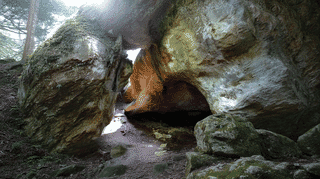
Discover Hibakoiwa Caves, a nationally designated historic site in Takahata, Yamagata Prefecture. This ancient cave dwelling reveals the origins of Jomon pottery and the lives of Japan's earliest settlers over 10,000 years ago.

Discover Ichinosawa Cave in Yamagata, a National Historic Site where Japan's earliest pottery was unearthed. Trace the dawn of Jomon culture through this ancient mountain shelter.
Discover Inarimori Kofun, a National Historic Site in Nanyo City, Yamagata. This 96-meter keyhole-shaped tomb from the late 4th century is the largest kofun in Yamagata Prefecture and offers panoramic views of the Yonezawa Basin.
Discover Ōdate Cave in Yamagata, a National Historic Site where some of Japan's oldest pottery was unearthed. Step into a 13,000-year-old Jomon dwelling carved by nature itself.
Tucked into the forested hills of Asahi Town, Yamagata Prefecture, Ōnuma no Ukishima is a National Place of Scenic Beauty where more than thirty islands drift freely across a small mountain pond, even on windless days. Said to have been discovered in 681 CE by the legendary mountain ascetic En no Ozunu, this sacred pond within the precincts of Ukishima Inari Shrine has fascinated travelers for over thirteen centuries, and each July a traditional festival ceremoniously creates a new island upon its waters.
The Oguni Castle Ruins in Tsuruoka City, Yamagata Prefecture, crown the 348.5-meter summit of Mt. Tateyama. With a 235.5-meter rise—the largest of any medieval mountain castle in the prefecture—and rare full-perimeter ramparts, it is a National Historic Site of exceptional value.
Mt. Gassan, 1,984m, is Yamagata's sacred peak of Dewa Sanzan. A 1972 Natural Monument, its summer snowfields and high-moor wetlands shelter 130-plus alpine species.
The Kinowa-no-saku Site in Sakata, Yamagata, preserves a square Heian-period provincial compound 720 meters per side, with reconstructed gates and earthen walls.
Discover the Former Precincts of Jionji Temple, a nationally designated historic site in Sagae, Yamagata. Explore Heian and Kamakura-era Buddhist statues, the Twelve Divine Generals, sacred Bugaku dance, and a vast temple complex that once rivaled the great monasteries of Nara and Kyoto.
On hills above the Yonezawa Basin in Yamagata, the Shimokomatsu Tumulus Group gathers 202 Kofun-period burial mounds, of which 179 form a National Historic Site.
Hōraien, the garden at Sōkōji temple in Sakata, was designated a national Place of Scenic Beauty in 1996, prized for framing a hilltop hall as borrowed scenery.
The Dō-no-mae Site near Sakata preserves a buried Heian-period compound: huge earthfast-post halls and a rare timber raft foundation linked to ancient Dewa Province.
More from Yamagata
Yamagata’s registered properties across designations, with featured heritage and travel notes.
The complete kokuhō catalogue — browse by prefecture, period, and category.
Nationwide jūyō bunkazai — architecture, sculpture, painting, crafts, and documents.