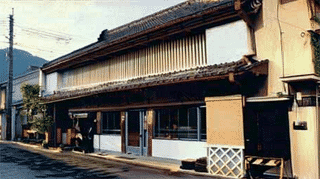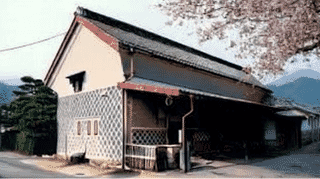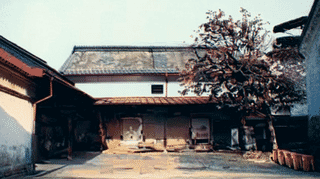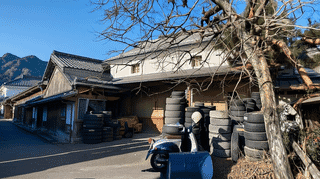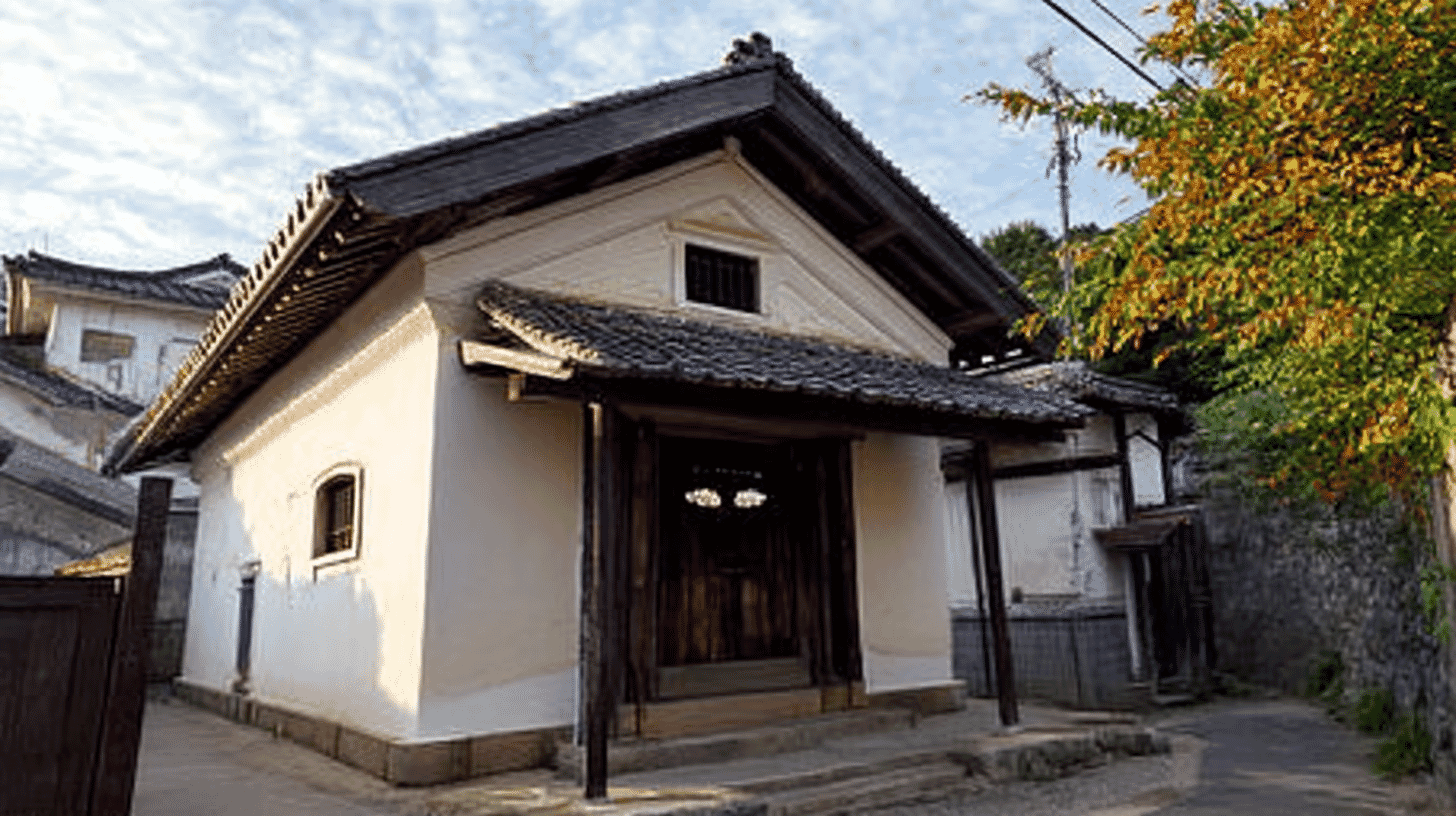
One Document Storehouse, a Registered Tangible Cultural Property since 1999
Obara-Ya Harada Shoten Library (小原屋原田商店文庫蔵, Obaraya Harada Shoten Bunkogura) stands at 1714 Kajikazawa, Fujikawa Town, Minamikoma District, Yamanashi Prefecture, an Edo-period building entered on the register of tangible cultural properties on 7 June 1999. It is a registered property rather than a designated one.
The quantity is one building.
The structure is of earthen construction, two-storeyed, tiled, with a floor area of 53 square metres. The date field reads Edo and the year field 1830 to 1867.
Other Buildings Placed by Reference to This One
Within the grounds it serves as a point to measure from.
The Agency records it standing on the northern corner of the grounds.
The salt storehouse on the same grounds is said to stand west of it; the new reception room, to stand at right angles to it.
Two buildings are placed by reference to this store.
At Hayabusa Station, the position is given as a distance from another station: another station is the point of reference.
Here a small store on the same grounds is the reference. Its corner position may be why, but the record does not say.
One Room on Each Floor
There is no division within; each floor is a single space.
The Agency records one room on each of the 2 floors.
The oil storehouse on the same grounds is divided into 3 rooms, the salt storehouse into 2. This one has no partition.
Set side by side, oil, salt and document stores run 3, 2, 1 in rooms, and 152, 86, 53 square metres in area.
At the Oishi residence, the north storehouse divides within into a miso store and an implement store.
Here a single room for documents stands one above the other.
Called Standard in Construction
The assessment ends by calling it ordinary.
The Agency closes that the eaves show widely spaced rafters, but that eaves and walls alike are plastered over in lime: a standard construction.
Widely spaced rafters are set with gaps between them; to plaster over is to cover them in lime.
The record adds that besides a door and a small window in front on the ground floor, the upper floor has only small windows in the two gables: a closed arrangement.
The Oishi inner storehouse is called a standard earthen store on a foundation of uncoursed stone, finished in lime plaster. This one, too, closes on standard.
On these grounds the oil store is called carefully made and the salt store plain. Each store closes on its own word; this one's is standard.
Visiting
The building stands at 1714 Kajikazawa, Fujikawa Town, Minamikoma District, Yamanashi Prefecture.
It is a small gabled earthen store of 2 storeys covering 53 square metres, the smallest of the 5 on the grounds after the new reception room at 31 square metres.
The date field reads 1830 to 1867, the same range as the oil and salt storehouses.
The English name in the database reads Library, but a store of this kind keeps documents and books rather than being a library.
No owner is recorded, and opening and terms follow the owner's arrangements. Check before travelling.
Q&A
- When was it registered?
- On 7 June 1999, as a registered tangible cultural property. It is registered rather than designated, and the quantity is one building.
- What is a document storehouse?
- A store for documents and books. This one is a small gabled earthen store of two storeys on the northern corner of the grounds.
- How is it laid out within?
- One room on each floor. The oil storehouse on the same grounds has three rooms and the salt storehouse two.
- How is it assessed?
- The eaves show widely spaced rafters, but eaves and walls are plastered over in lime: the record calls it a standard construction.
- Where are its windows?
- A door and a small window in front on the ground floor, and small windows only in the two gables above. The record calls it closed.
Basic Information
| Name | Obara-Ya Harada Shoten Library (小原屋原田商店文庫蔵, Obaraya Harada Shoten Bunkogura); the Japanese names a storehouse for documents and books |
|---|---|
| Location | 1714 Kajikazawa, Fujikawa Town, Minamikoma District, Yamanashi Prefecture |
| Designation | Registered tangible cultural property (structure, modern other); registered rather than designated; 5 buildings on the same grounds were registered on the same day |
| Year Designated | 1999 (7 June), registered |
| Quantity | 1 building |
| Dimensions | Earthen construction, 2-storeyed, tiled, with a floor area of 53 square metres. A gabled store on the northern corner of the grounds, with one room on each floor; a door and a small window in front on the ground floor and small windows in the two gables above. The eaves show widely spaced rafters, and eaves and walls are plastered over in lime. The date field reads Edo and the year field 1830 to 1867 |
| Owner | Not stated in the record |
| Public Access | Opening and terms follow the owner's arrangements |
References
- Cultural Heritage Online: the document storehouse
- https://bunka.nii.ac.jp/heritages/detail/136878
- Cultural Heritage Online: the salt storehouse
- https://bunka.nii.ac.jp/heritages/detail/192109
- Agency for Cultural Affairs, National Cultural Properties Database
- https://kunishitei.bunka.go.jp/
- Fujikawa Town
- https://www.town.fujikawa.yamanashi.jp/
Last verified: 2026.09.21