
Shōwa
Oita · 昭和Browse Oita’s cultural heritage from the Shōwa period (1926 – 1989). Filter by type and keyword, with concise stories, maps, and travel tips.
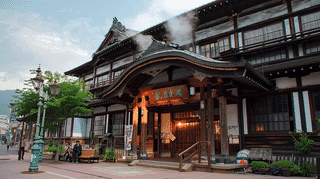
Discover Takegawara Onsen, a Registered Tangible Cultural Property in Beppu, Japan. Experience traditional sand baths and soak in healing waters inside this stunning 1938 wooden bathhouse with karahafu architecture. Complete visitor guide with access, hours, and tips.

Completed in 1938 at Taketa, this stone-faced irrigation weir was listed in 1999 for design and technique: musha-gaeshi turns its falling water into a white sheet.
The Kayashima Shuzo Mokubei of 1935 runs 65 metres along the southern edge of this brewery in Kunisaki, Oita: a brick plinth, timber posts, an iron-sheeted roof.
Sunori Bridge (水雲橋) is a stone two-arch bridge spanning the Era River in Innai-machi, Usa City, Oita Prefecture. Built in 1927 by master mason Matsuda Shinnosuke, it is the second-tallest stone bridge in Innai and features a distinctive asymmetric double-arch design. Registered as a national Tangible Cultural Property in 2001, Sunori Bridge is a highlight of the Innai stone bridge trail in Japan's premier stone bridge town.
Takaiwa Bridge, located in Saito, Innai-machi, Usa City, Oita Prefecture, is a single stone arch bridge completed in 1928 by master mason Sato Hanjiro. With a 27-meter span, the longest of any stone arch in Innai, and a rare asymmetric segmental arch design finished with precisely dressed ashlar masonry, this nationally registered cultural property showcases the technical peak of Japan's traditional stone bridge craftsmanship.
Completed in 1957, Beppu Tower is one of the 'Tower Six Brothers' designed by Tachū Naitō, the legendary 'Tower Doctor,' and was the third high-rise tower built in postwar Japan — a year before Tokyo Tower. Registered as a National Tangible Cultural Property in 2007 and renovated to its original 100-meter height in 2023, the tower offers 360-degree panoramic views of Beppu Bay, the steaming hot spring townscape, and the surrounding mountains from its 55-meter-high observation deck.