
Registered Tangible Cultural Properties of Yamanashi
山 梨 県 の 登 録 有 形 文 化 財Yamanashi · Registered Tangible Cultural Properties
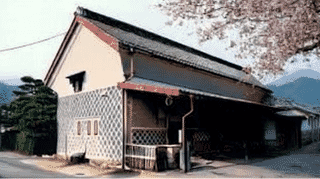
Explore the Obaraya Harada Shoten Oil Storehouse, a Registered Tangible Cultural Property in Fujikawa Town, Yamanashi. This magnificent Edo-period storehouse with distinctive namako-kabe walls tells the story of Japan's historic Fujikawa River transport trade. Learn about its architectural significance, connection to ukiyo-e master Hokusai, and nearby attractions.
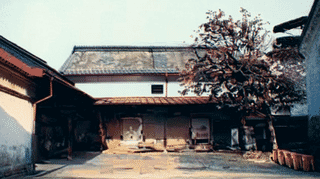
Explore the Obaraya Harada Shoten Salt Storehouse, a Registered Tangible Cultural Property in Yamanashi Prefecture. This historic Edo-era warehouse reveals the fascinating story of Fujikawa River trade and Japan's vital salt distribution routes.
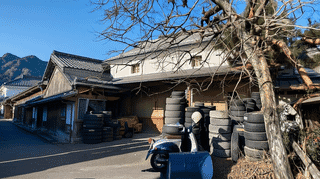
Explore the Obaraya Harada Shoten Shinzashiki, a National Registered Tangible Cultural Property in Fujikawa, Yamanashi. This Meiji-era merchant storehouse preserves the legacy of Fujikawa River trade that connected mountains to the sea for over 300 years.
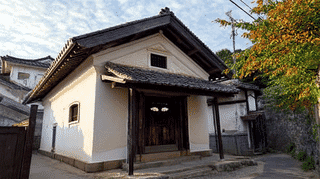
Discover the Obaraya Harada Shoten Bunko-gura, a Registered Tangible Cultural Property in Fujikawa Town, Yamanashi. This Edo-period merchant storehouse preserves the legacy of Japan's historic Fujikawa River transport and salt trade.
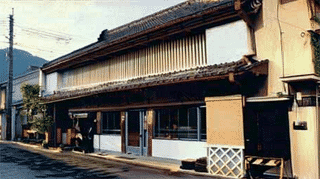
Discover Obaraya Harada Shoten Misegura, a Registered Tangible Cultural Property in Fujikawa Town, Yamanashi. This 1856 merchant warehouse tells the story of the Fuji River boat transport and salt trade that connected inland Japan to the sea during the Edo period.
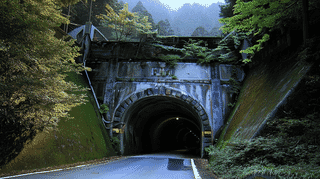
Discover Misaka Tunnel (Misaka Zuidou), a 1931 historic tunnel registered as a Tangible Cultural Property. Located at Misaka Pass in Yamanashi, it offers breathtaking views of Mt. Fuji and Lake Kawaguchiko, and was immortalized in Dazai Osamu's masterpiece "Fugaku Hyakkei."

Discover the Ashiyasu Sabo Dam, Japan's first concrete erosion control dam and a Registered Tangible Cultural Property in Minami-Alps City, Yamanashi. Built in the Taisho era with a unique gravity-and-arch structure, this engineering marvel stands at 22.65 meters in the scenic Midai River valley.
Discover Isagoya Ryokan, a nationally registered tangible cultural property in Minobu, Yamanashi. This three-story wooden inn features exquisite hinoki staircases, ajiro ceilings, and a fascinating history as a relocated early Showa-era building on the pilgrimage route to Kuonji Temple.
Discover Ichikawa Church, an 1897 wooden chapel blending Japanese kura warehouse design with Western architecture. A Registered Tangible Cultural Property in Ichikawamisato, Yamanashi Prefecture.
Discover Iwai Bridge, a 1930s concrete arch bridge and Registered Tangible Cultural Property in Katsunuma, Yamanashi. Known as "Megane-bashi," this elegant landmark witnessed the rise of Japan's wine industry and offers scenic walks amid vineyards and heritage sites.
Discover the Iwashita Onsen Ryokan Former Building, a nationally registered tangible cultural property in Yamanashi City. Built around 1875, this traditional wooden inn features a rare semi-underground bathhouse fed by one of the oldest natural springs in the Koshu region.
Discover Iwado Segi Bunsuiguchi, a Registered Tangible Cultural Property in Koshu City, Yamanashi Prefecture. This 1927 reinforced concrete cylindrical water diversion uses the siphon principle to equally distribute agricultural water into three channels—a rare surviving example of early Showa-era irrigation engineering in Japan.
Discover the Shishidome Power Station Usobuki Waterway Outlet, a Registered Tangible Cultural Property in Fujiyoshida City, Yamanashi. Built in 1918, this stone-built waterway outlet channels water from Lake Kawaguchi and stands as a remarkable example of Taisho-era civil engineering at the foot of Mount Fuji.
Discover Shojuken Nagasaki, a Registered Tangible Cultural Property in Minami-Alps City, Yamanashi. This 1926 kura-zukuri confectionery shop stands at a key bend on the old Fujikawa Highway, preserving the atmosphere of the historic Barazawa post town.
Discover Oichi-kan, a Registered Tangible Cultural Property in Shimobe Onsen, Yamanashi Prefecture. This three-story wooden ryokan, founded in 1875, features a legendary cave rock bath fed by a natural spring once used by the warlord Takeda Shingen.
Nestled on a hillside in Fujikawa Town, Yamanashi Prefecture, Tsukiyone Community Hall is a wooden single-story assembly building constructed in 1928. With its dignified irimoya-zukuri roof and 60-tatami grand hall, this Registered Tangible Cultural Property has served the community for nearly a century. Surrounded by heritage terraced rice paddies, it offers an authentic glimpse into Japan's rural mountain village culture.
Discover the Former Katayama Tunnel Upper Entrance, a stone-built waterway portal from 1913 at the historic Hirase Water Purification Plant in Kofu City, Yamanashi. A Registered Tangible Cultural Property and part of the Japan Heritage Shosenkyo story, this Taisho-era engineering marvel tells the story of Kofu's water modernization alongside the spectacular gorge scenery.
Discover Yashikiiri-sawa No. 7 Stone Check Dam, a Registered Tangible Cultural Property in Fuefuki City, Yamanashi. Built between 1910 and 1918 using masterful dry stone masonry, this sabo dam still protects local communities from landslides over a century later.
The Greenbank Chapel at Yamanashi Eiwa Junior and Senior High School is a 1949 auditorium of a Canadian Methodist mission school in Kofu City. Featuring an elegant ship-bottom ceiling and pipe organ, it was registered as a Tangible Cultural Property of Japan in 2022. A symbol of postwar reconstruction, the chapel continues to serve as a place of worship and learning.
The Yokoyama Sake Brewery Shop in Nanbu Town, Yamanashi Prefecture, is a three-story wooden kanban kenchiku (signboard architecture) building dating from around 1916. Discover this Registered Tangible Cultural Property featuring a Western-style faux-stone facade and harmonious blend of Japanese and Western interior design.
More from Yamanashi
Yamanashi’s registered properties across designations, with featured heritage and travel notes.
The complete kokuhō catalogue — browse by prefecture, period, and category.
Nationwide jūyō bunkazai — architecture, sculpture, painting, crafts, and documents.