
Edo
Yamanashi · 江戸Browse Yamanashi’s cultural heritage from the Edo period (1603 – 1868). Filter by type and keyword, with concise stories, maps, and travel tips.
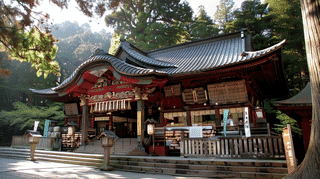
Mid-Edo-period shrine buildings in Yamanashi Prefecture. Their own marked regional character is itself given here as the reason for the value even now.
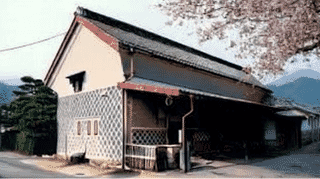
Explore the Obaraya Harada Shoten Oil Storehouse, a Registered Tangible Cultural Property in Fujikawa Town, Yamanashi. This magnificent Edo-period storehouse with distinctive namako-kabe walls tells the story of Japan's historic Fujikawa River transport trade. Learn about its architectural significance, connection to ukiyo-e master Hokusai, and nearby attractions.
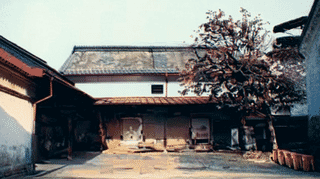
Explore the Obaraya Harada Shoten Salt Storehouse, a Registered Tangible Cultural Property in Yamanashi Prefecture. This historic Edo-era warehouse reveals the fascinating story of Fujikawa River trade and Japan's vital salt distribution routes.
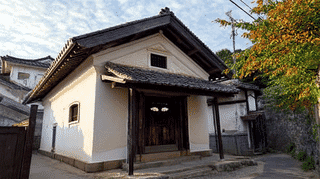
Discover the Obaraya Harada Shoten Bunko-gura, a Registered Tangible Cultural Property in Fujikawa Town, Yamanashi. This Edo-period merchant storehouse preserves the legacy of Japan's historic Fujikawa River transport and salt trade.
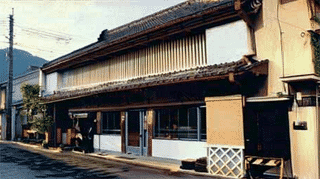
Discover Obaraya Harada Shoten Misegura, a Registered Tangible Cultural Property in Fujikawa Town, Yamanashi. This 1856 merchant warehouse tells the story of the Fuji River boat transport and salt trade that connected inland Japan to the sea during the Edo period.
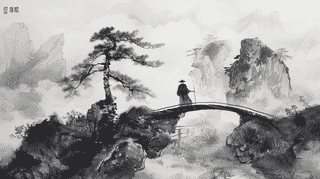
A Southern Song painting on one scroll at Kuonji in Yamanashi, recorded as having once formed a single set with two other scrolls held elsewhere today.

An iron sword guard carved with shore pines and plovers by Tsuchiya Yasuchika, a leading master of Edo metalwork. Designated an Important Cultural Property in 1955.
The kuri at Unpoji in Koshu, Yamanashi, held the kitchen and living quarters: a long thatched, gable-entry building of the early Edo period, the widest of the four halls.
Unpoji's shoin in Koshu, Yamanashi, is a mid-Edo Important Cultural Property of 1716: a hipped, thatched residential hall behind the garden, the newest of its four.
On Mt. Yumura in Kōfu, Entaku-ji's hipped-roof Jizō-dō shelters a stone Jizō. An Important Cultural Property since 1949, its soot-black interior rewards a visit.
Discover the Sanmon Gate of Kai Zenkoji Temple in Kofu, Yamanashi — an Important Cultural Property of Japan built in 1767. Explore the samurai history of Takeda Shingen, experience the Roaring Dragon and underground pilgrimage, and visit one of eastern Japan's largest wooden temple complexes.
Discover the Main Hall of Kai Zenkoji Temple in Kofu, Yamanashi — an Important Cultural Property founded by warlord Takeda Shingen in 1558. Experience the legendary Roaring Dragon ceiling, the pitch-dark Kaidan Meguri passage, and one of the largest wooden structures in eastern Japan.
The Takamuro Family Residence in Kofu, Yamanashi Prefecture, is a rare surviving Edo-period physician's compound designated as an Important Cultural Property of Japan. The estate encompasses nine historic structures across approximately 5,000 square meters, including the main house built in 1788 featuring a medicine compounding room and herb-drying attic. The Takamuro family served as official physicians to the Kofu Kinban, the Tokugawa shogunate's garrison, and the estate preserves an exceptionally complete picture of medical practice and daily life in feudal Japan.
A late 17th-century thatched farmhouse in Hokuto, Yamanashi, 19.7 metres wide, built for a village headman. Designated in 1989, open near Kobuchizawa Station.
Discover the Monzai Family Residence, an Important Cultural Property from the mid-Edo period in Minobu, Yamanashi. This thatched-roof farmhouse reveals the life of gold mine administrators in the Fuji River valley.