
National Treasure
国 宝 一 覧Browse Japan’s National Treasures by prefecture, period, and type. Clear stories highlight what to look for at temples, shrines, castles, and museums—plus maps and travel tips.
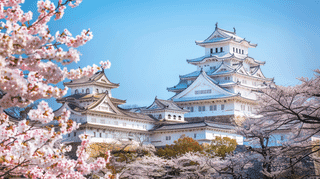
Himeji Castle I, Ro, Ha and Ni Corridor Turrets, National Treasure since 1951: four buildings closing the keep square, the 30 m Ro turret and the last-built Ni gate.
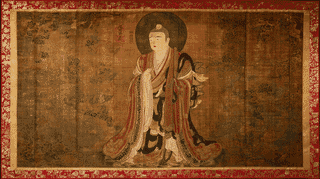
Ten Heian-period scrolls owned by Ichijoji in Hyogo Prefecture, showing the nine Tendai patriarchs with Prince Shotoku himself added on to the series.

A Jomon-period figurine in Hokkaido Prefecture. Its own legs are set as if it were standing upright, yet the record says it will not stand at all here.

A Palaeolithic lot of finds in Hokkaido Prefecture. Its designation here added a good deal of new material to what the earlier listing covered before.
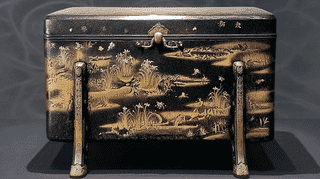
A Heian-period chest owned by Kongobuji in Wakayama Prefecture. Marsh and plovers on the outside, and wild grasses and butterflies within its own lid.
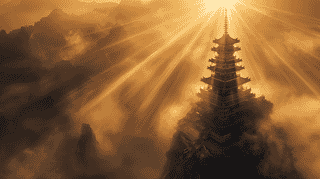
Late Heian finds from a sutra mound atop Mount Narahara, Imabari: a bronze pagoda, sutra case, mirrors, painted fans and Song porcelain. National Treasure, 1956.
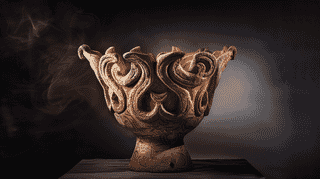
Fifty-seven Middle Jomon vessels from the Sasayama Site, led by flame-style pots, became Japan's first Jomon pottery National Treasure in 1999. Shown in Tokamachi.
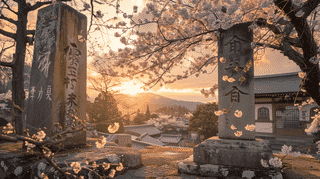
The Taga Castle Monument records Taga Castle's founding in 724 and rebuilding in 762. Once doubted as a forgery, it became a National Treasure in 2024.
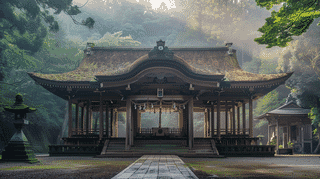
Kandani Shrine Main Hall in Sakaide, dated 1219 by an ink inscription, is the oldest three-bay nagare sanctuary. Its roof, burned by lightning, was restored in 2025.
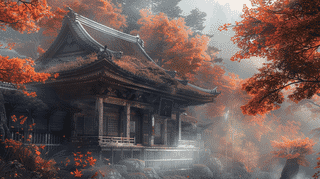
Burakuji Temple Yakushi Hall in Otoyo, Kochi, built around 1151, is the oldest building in Shikoku. Its interior can be viewed by reservation for 500 yen.
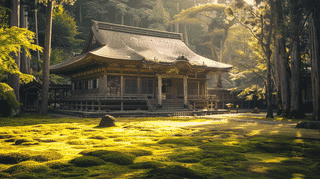
Akishino-Dera Temple Main Hall in Nara is an early Kamakura hall on the old lecture hall site, with an earthen floor and low hipped roof. National Treasure, 1953.
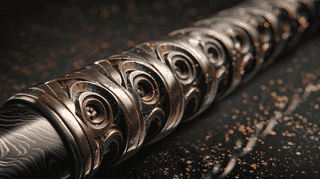
A Heian tachi mounting of Niutsuhime Shrine, spiral-wrapped in silver-plated copper with gilt fittings; the blade is lost. National Treasure, 1955; kept in Tokyo.
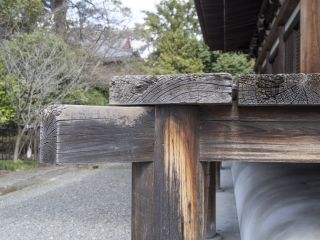
The 1227 main hall of Daihoonji (Senbon Shakado), Kyoto, a National Treasure since 1952 and the oldest building in central Kyoto.
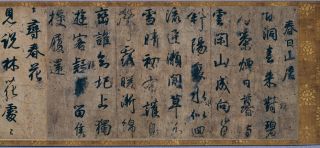
Discover Byōbu Dodai, a National Treasure calligraphy scroll by Ono no Michikaze, written in 928 as a draft for imperial folding screens. Housed at the Sannomaru Shōzōkan in Tokyo, this rare Heian-period masterpiece marks the birth of Japan's native wayō calligraphy style. Learn its history, highlights, and how to visit.
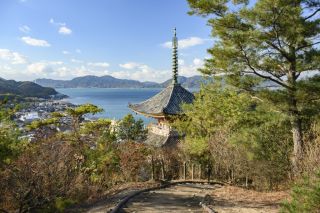
Kojoji Temple Three-Storied Pagoda on Ikuchijima dates from 1432: a Zen pagoda with strong karayo details and mostly original timber. National Treasure since 1958.
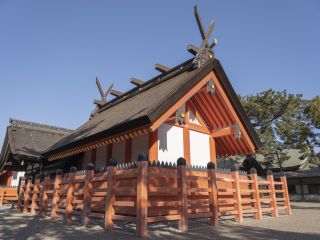
The Sumiyoshi Taisha Main Hall in Osaka is four National Treasure sanctuaries rebuilt in 1810 in the archaic Sumiyoshi style, all facing west like a fleet.
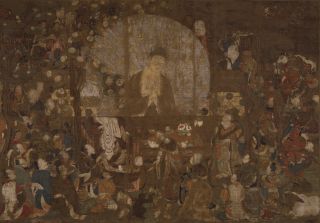
This late-Heian National Treasure at the Kyoto National Museum shows the dead Buddha rising from his golden coffin to preach a last sermon to his mother, Queen Maya.
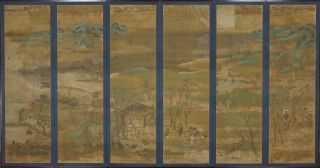
The only screen painting surviving from Japan's Heian period, this 11th-century National Treasure from To-ji temple may depict the Tang poet Bai Juyi at his retreat.
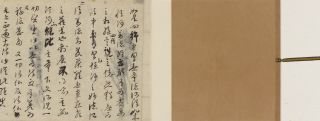
Kūkai's own ninth-century draft preface to the Diamond Sutra, at the Kyoto National Museum. Sixty-three lines whose deletions catch this monk mid-thought.
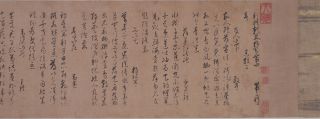
Forty Tang poems by Li Bai, Wang Wei, and others fill this 5.5-meter ninth-century cursive scroll at the Kyoto National Museum, a National Treasure since 1962.