What Is the Sojiji Hokodo?
The Sojiji Hokodo (總持寺放光堂, Hōkōdō) is a late-Edo Buddhist hall at Sojiji Temple in Tsurumi-ku, Yokohama, built between 1854 and 1859 and moved to its present site in 1911; it was registered as a Registered Tangible Cultural Property in 2005.
It began as the main hall of Soonji, a temple in Tsuruoka, Yamagata. The temple says it was presented to Sojiji specially for the relocation, and on 5 November 1911 it became the first building in the new precinct to host a service. For some years it served as the principal founders' hall.
Today it enshrines memorial tablets for lay supporters. It stands west of the Buddha Hall, facing east: a single-storey timber building with a tiled roof and a building area of 650 square meters. The Sojiji Hokodo is, quite literally, where the Yokohama chapter of the temple's history started.
Why the Hokodo Was Registered
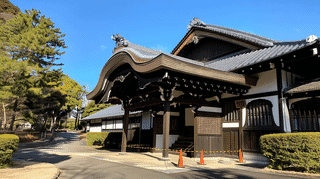
The Sojiji Hokodo was listed as a model of design. It carries a great hip-and-gable roof (Irimoya-zukuri) of pantiles (Sangawara-buki) over a frontage of 30 meters, and the Agency for Cultural Affairs notes that its carvings and the patterns cut into its tie beams (Kōryō) show late-Edo craftsmanship.
Inside, the front bay is earth-floored (Doma); on the raised floor beyond, an altar sits at the rear centre with tablet shelves to left and right. The broad, open interior suits its present role, with many visitors paying respects at once.
An Edo-period hall dismantled in Yamagata, rebuilt in Yokohama, made the first centre of the new head temple and still in use in a changed role: that combination of relocation history and late-Edo design gives it a unique place among the temple buildings.
What to Look For at the Hokodo
Face the front and the sheer length of the roof takes over; no other registered building here spreads as wide.
Up close, study the swirl and leaf patterns carved into the tie beams. The fine late-Edo cutting feels different from the Taisho work elsewhere on the grounds.
Toward the north end a covered corridor runs to the Koshokutsu, which also came from Soonji. Seen together with that corridor, the Sojiji Hokodo helps you picture how sparse the precinct was in its first years.
Visiting the Sojiji Hokodo
The exterior of the Sojiji Hokodo can be seen from the grounds west of the Buddha Hall. It faces east and is best lit in the morning.
Lay supporters come here to honour their family tablets. If you wish to enter, check at the main reception desk or follow the guided building tour. Keep quiet during services and refrain from photography. Directions and booking details are on the Sojiji Temple page.
- 📍 Plan Your Visit to Kanagawa
- Find tours, activities & transport passes near Sojiji Hokodo
- [ Kamakura Buddha Hakone Onsen & Yokohama Tours ]
Q&A
- Where did the Sojiji Hokodo originally stand?
- It was the main hall of Soonji in Tsuruoka, Yamagata, built between 1854 and 1859, and was moved to Sojiji in 1911.
- Why is the Sojiji Hokodo historically important?
- According to the temple, it hosted the first service in the relocated Sojiji on 5 November 1911 and served for a time as the principal founders' hall.
- What is the Sojiji Hokodo used for today?
- It enshrines memorial tablets of lay supporters, with an altar at the rear centre and tablet shelves either side.
- How large is the Sojiji Hokodo?
- It is a single-storey timber hall 30 meters across, with a building area of 650 square meters.
- When was the Sojiji Hokodo registered?
- It was registered on 12 July 2005 as a model of design.
Basic Information
| Name | Sojiji Hokodo (總持寺放光堂) |
|---|---|
| Location | 2-1-1 Tsurumi, Tsurumi-ku, Yokohama City, Kanagawa Prefecture |
| Designation | Registered Tangible Cultural Property (Structure) |
| Year Designated | 2005 (Heisei 17) |
| Quantity | 1 building |
| Dimensions | Timber, single-storey; frontage 30 meters; building area 650 square meters |
| Owner | Religious Corporation Daihonzan Sojiji |
| Public Access | Exterior viewable from the grounds; ask the reception desk about entering |
References
- Sojiji Hokodo - Database of National Cultural Properties, Agency for Cultural Affairs
- https://kunishitei.bunka.go.jp/bsys/maindetails/101/00004719
- Hokodo (Japanese) - Sotoshu Daihonzan Sojiji
- https://www.sojiji.jp/map/houkoudou/
- History of Sojiji Through Its Collections - Sojiji Digital Archive
- https://adeac.jp/sojiji/top/timeline/index.html
- Visiting Information (Japanese) - Sotoshu Daihonzan Sojiji
- https://www.sojiji.jp/visit/
Last verified: 2026.09.16