
Momoyama
Kyoto · 安土桃山Browse Kyoto’s cultural heritage from the Momoyama period (1573 – 1603). Filter by type and keyword, with concise stories, maps, and travel tips.
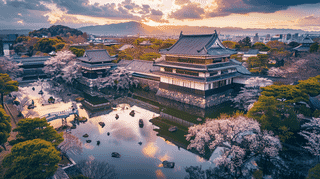
Discover Nijo Castle, Kyoto's UNESCO World Heritage Site where the Tokugawa shogunate rose and fell. Experience the famous nightingale floors, 400-year-old Kano school paintings, and the newly reopened Honmaru Palace. Your essential guide to Japan's most complete feudal palace.
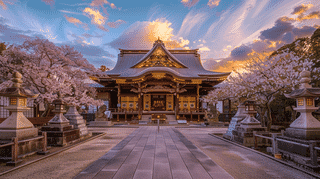
Discover Kitano Tenmangu, Kyoto's National Treasure shrine where political exile Sugawara no Michizane became the deity of learning. Experience 2,000 plum blossoms, monthly markets with 1,000 vendors, and authentic Japanese culture without crowds.
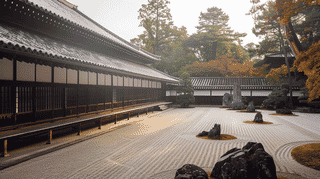
Discover Nanzenji Hojo, Japan's National Treasure featuring imperial palace architecture, masterful Kano school paintings, and the famous Leaping Tiger Garden designed by Kobori Enshu. Experience authentic yudofu cuisine and serene Zen gardens in Kyoto's Higashiyama district.
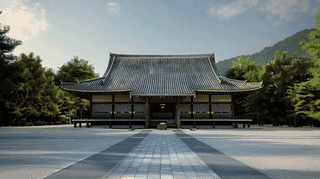
Discover the Kondo (Golden Hall) at Ninna-ji Temple in Kyoto — a National Treasure and UNESCO World Heritage Site. Originally the Imperial Palace's Shishinden, it is the oldest surviving throne hall in Japan, housing stunning Buddhist art and centuries of imperial history.
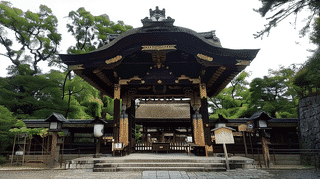
Discover the Karamon Gate at Toyokuni Shrine in Kyoto, a National Treasure from the Momoyama period. Originally from Fushimi Castle, this gate features exquisite carvings attributed to the legendary Hidari Jingoro and stands as one of Kyoto's three celebrated National Treasure karamon gates.
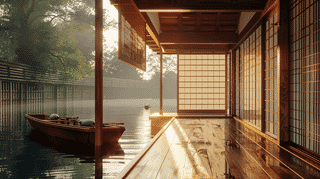
Discover Hiunkaku Pavilion, one of Kyoto's Three Great Pavilions alongside Kinkaku-ji and Ginkaku-ji. This rarely-opened National Treasure at Nishi Honganji showcases asymmetrical beauty from the Momoyama period, floating like clouds above a tranquil pond garden.
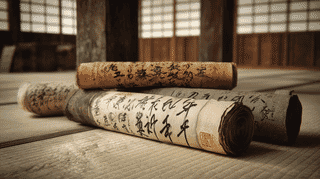
Discover Sanmyakuin-ki, a newly designated Important Cultural Property preserving the handwritten diary of Konoe Nobutada, one of the "Three Great Brushes of the Kan'ei Era." Explore this rare glimpse into Momoyama-Edo court life at Yomei Bunko in Kyoto.
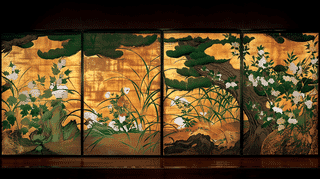
Discover the National Treasure "Pine and Flowers on Gold Ground" two-panel folding screen by the Hasegawa Tohaku school at Chishakuin Temple in Kyoto. A masterpiece of Momoyama-period gold-leaf painting.

Discover the National Treasure imperial letter (shinkan) written by Emperor Go-Yōzei to Shōren-in Temple in Kyoto. Learn about its historical significance, exquisite calligraphy, and the dramatic events of 1596 Japan.
Discover the Kanchi-in Guest Hall (Kyakuden), a National Treasure within the UNESCO World Heritage Toji Temple complex in Kyoto. Explore Momoyama-era shoin architecture, ink paintings attributed to Miyamoto Musashi, and serene Zen gardens.
Rebuilt in 1603 by Toyotomi Hideyori, the National Treasure Kondo at To-ji fuses Japanese, Zen and Great Buddha styles and holds a 2.88-meter seated Yakushi triad.
At Kyoto's Tō-ji, the East Great Gate has stayed shut for centuries. Called the Akazu-mon, it was barred by Ashikaga Takauji in 1336 and still bears arrow marks.
To-ji's widest gate was not built for it. Raised in 1601 as Sanjusangen-do's west gate by Toyotomi Hideyori, it moved here in 1895, an Important Cultural Property.
Discover the Otamaya at Kodaiji Temple in Kyoto, an Important Cultural Property built in 1605. Marvel at the stunning Kodaiji Makie lacquerware, explore the mausoleum of Toyotomi Hideyoshi and his wife Nene, and experience the splendor of Momoyama-period art and architecture.
Discover Koubai-in Main Hall, an Important Cultural Property within Kyoto's Myoshin-ji Temple complex. Built in 1604, this exquisite Zen hojo-style hall features a karesansui garden, historic fusuma paintings, and deep ties to the reviver of one of Japan's greatest Zen temples.
Discover the Sanbo-in Karamon Gate, a National Treasure at UNESCO World Heritage Daigo-ji Temple in Kyoto. Built in 1599, this stunning black-lacquered gate with gold chrysanthemum and paulownia crests embodies the grandeur of the Momoyama period and the legacy of Toyotomi Hideyoshi's famous cherry blossom viewing.
Explore the Sanbo-in Hall Complex (Important Cultural Property) at the UNESCO World Heritage Daigo-ji Temple in Kyoto. Discover the Goma-do, Shinden, Junjo-kan, and other magnificent Momoyama-period buildings connected to Toyotomi Hideyoshi's legendary cherry blossom viewing party.
The Main Hall of Shōden-ji in northern Kyoto is an Important Cultural Property originally built as the formal reception hall of Fushimi Castle during the Azuchi-Momoyama period. Discover its Kanō Sanraku sliding-door paintings, the haunting blood ceiling from the Battle of Fushimi, and the celebrated dry landscape garden with borrowed scenery of Mount Hiei.
Discover the Yorinoan Shoin of Jodoin, an Important Cultural Property relocated from Fushimi Castle, featuring Kano school paintings and a refined dry landscape garden inside the World Heritage Byodoin Temple grounds in Uji, Kyoto.
Explore the Daishi-dō at Jingoji Temple in Kyoto, an Important Cultural Property hall built on the site of Kūkai's personal residence. Discover its Momoyama-period architecture, the rare board-carved statue of Kōbō Daishi, and the stunning autumn foliage of the Takao area.