
Registered Tangible Cultural Properties of Japan
登 録 有 形 文 化 財Browse Japan’s Registered Tangible Cultural Properties nationwide. Filter by prefecture, period, and category, with concise stories, maps, and practical travel tips.
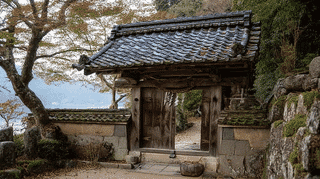
An Edo-period timber gate at Kannonshoji in Shiga Prefecture, Japan. It is measured only by its own frontage over there, and by nothing else even now.
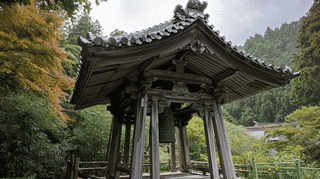
A Showa-period timber bell house at Kannonshoji in Shiga Prefecture, Japan. It shares its own structure with a bell tower at another temple even today.
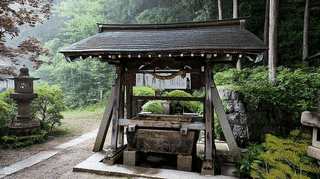
A Showa-period timber water pavilion at Kannonshoji in Shiga Prefecture, Japan. It only covers some 1.5 square metres in all of it over there even now.
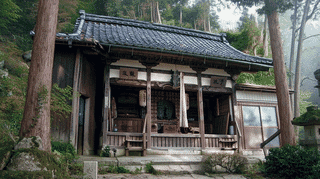
A Showa-period timber fuda hall at Kannonshoji in Shiga Prefecture, Japan. What it once enshrined over there is written of only in the past tense now.
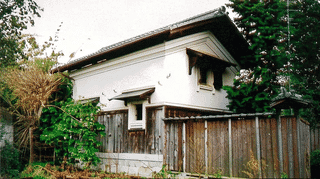
A Showa-period storehouse in Toyosato, Shiga Prefecture, Japan. Its own windows over there face a different way at each single one of its own storeys.
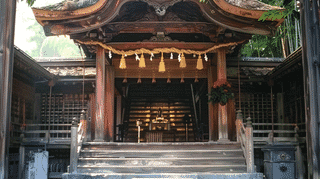
Nidoji Shrine Main Hall in Shigaraki is a one-bay Kasuga-style sanctuary of 1703 with a cypress-bark roof, registered in 2003 as a rare Kasuga-style hall in Shiga.
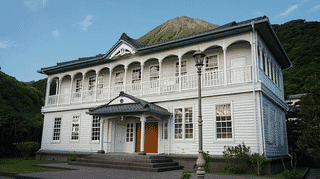
A Meiji-period office at Yoshino, Kagoshima, Japan. Once a Shimazu family gold mine office elsewhere, it sets arches and clapboard under Japanese roofs.
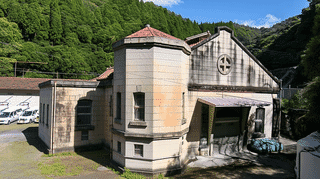
A Meiji-period hydroelectric station building in Hioki, Kagoshima Prefecture, Japan. Of stone, with an octagonal tower, it bears the Shimazu family crest.
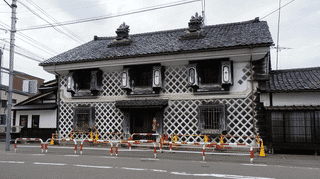
A Meiji-period shopfront storehouse in Tainai, Niigata Prefecture, Japan. Three black windows face the street, and one thick post at its centre carries the ridge.
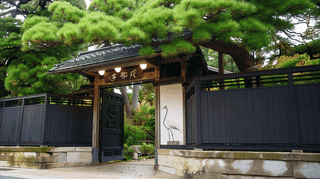
A Showa-period earthen storehouse in Niigata Prefecture, Japan. It is valued here for being well loved as a view from the very road out there even so.
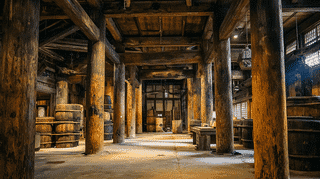
An Edo-period storehouse at Murakami, Niigata Prefecture, Japan. Its ridge tablet dates it to 1841, and it is taken to have held sake when the family still brewed.
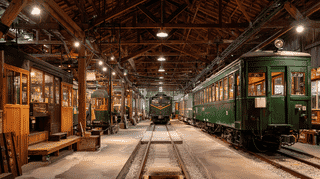
A Taisho-period timber locomotive shed in Joetsu, Niigata Prefecture, Japan. It runs about 40 whole metres from east to west over there even so today.
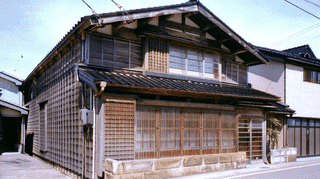
A Meiji-period town house at Kashiwazaki, Niigata Prefecture, Japan. Entered at its gable, it sets four rooms in a row along a through passage, beams shown above.
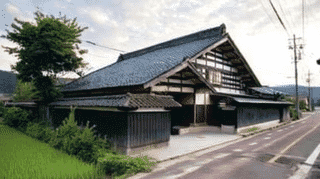
A Meiji-period main house in Niigata Prefecture, Japan. A ridge tablet over there gives the name of the carpenter who had built it even so even today.
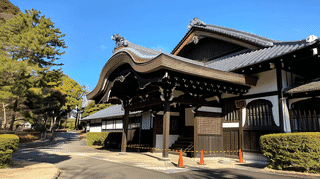
Built in 1911 as Sojiji moved from Noto, the Sojiji Karishinden enshrined the founder's tablets and links by stair and corridor to other halls. Registered 2023.
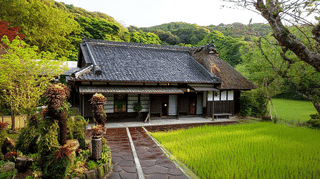
A timber main house in Hiratsuka, Kanagawa Prefecture, Japan. Classed as Edo, its own year field over there nonetheless still reads Meiji even so now.
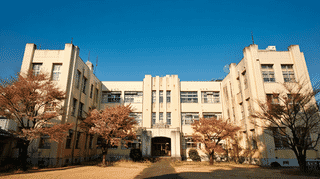
A school building of 1938 at Ooka in Yokohama, raised as the main block of a technical college and in use as a junior high school since 1981. Listed in 2000.
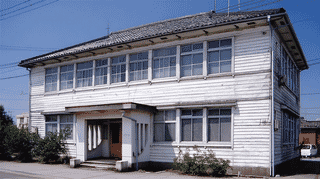
Toita Hall in Kanazawa is a two-storey timber village office of 1940, with clapboard walls and a mortar porch, registered in 2008 for its place on the Kanaiwa road.
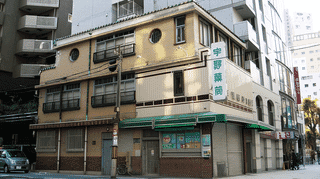
A Showa-period shop on a street corner in Chuo Ward, Osaka, Japan. A timber building with a tiled front in the signboard style, it bears green Spanish tiles above.
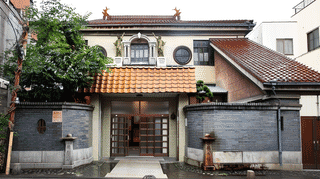
A Showa-period public bathhouse in Ikuno Ward, Osaka, Japan. Divided at the attendant's seat, with statues on its front, it was recorded in use but closed in 2019.
More across Japan
The complete kokuhō catalogue — browse by prefecture, period, and category.
Nationwide jūyō bunkazai — architecture, sculpture, painting, crafts, and documents.
UNESCO-inscribed cultural and natural sites across the archipelago.