
National Treasures of Kyoto
京 都 府 の 国 宝Kyoto’s national treasures — properties designated kokuhō for their exceptional value to the nation.
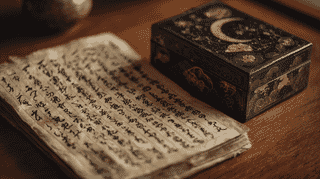
Discover the Sarashina Nikki, a National Treasure manuscript hand-copied by Fujiwara no Teika in the 13th century—the oldest and only surviving source of this Heian-era woman's memoir, housed at the Museum of the Imperial Collections in Tokyo.
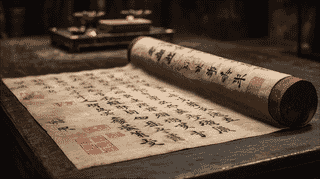
Discover the Sōranjō (Mourning Disorder Letter), a National Treasure of Japan preserving the calligraphy of Wang Xizhi, the greatest calligrapher in Chinese history. Learn about this Tang Dynasty masterpiece at the Museum of the Imperial Collections, Tokyo.
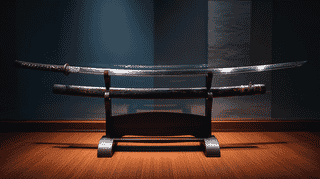
Discover the National Treasure tachi signed Hisakuni, a masterpiece of Kamakura-period swordsmithing by the legendary Awataguchi Hisakuni. Learn about its history, artistry, and how to see it at the Tokyo National Museum.
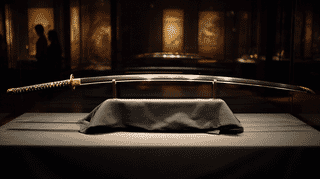
Discover the National Treasure Tachi signed Masatsune, a Heian-period Japanese sword by the legendary Ko-Bizen school. Housed at the Tokyo National Museum, this blade exemplifies the pinnacle of early Japanese sword craftsmanship.
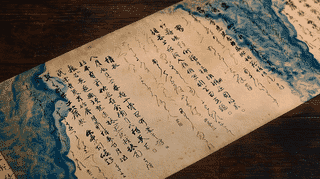
Discover the Wakan Rōeishū (Cloud Paper), a National Treasure of Japan housed at the Museum of the Imperial Collections. This 11th-century calligraphic masterpiece on indigo cloud-patterned paper beautifully unites Chinese poetry and Japanese waka.
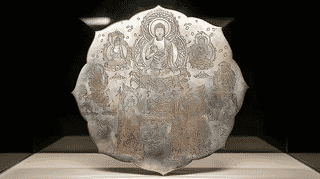
Discover the Line-Engraved Mirror with Shaka Triad (Senkoku Shaka Sanzon-tō Kyōzō), a Heian-period National Treasure featuring nine Buddhist deities in exquisite line engraving. Housed at the Sen-oku Hakukokan Museum in Kyoto.
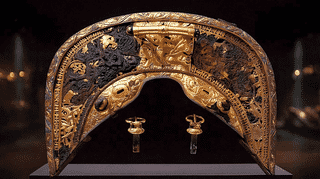
Discover the Fujinoki Kofun artifacts, a National Treasure collection of 12,000+ items including gilt-bronze saddle fittings, crowns, and shoes from a 6th-century royal tomb near Horyuji Temple in Nara, Japan.
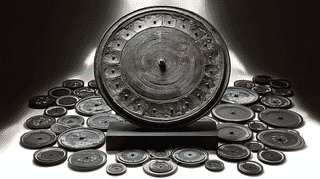
Explore the National Treasure artifacts from the Hirabaru rectangular moated tomb in Itoshima, Fukuoka — including Japan's largest bronze mirrors (46.5 cm), 40 ancient mirrors, and treasures linked to the legendary kingdom of Ito from the Yayoi period.

Discover the 9th-century National Treasure silk paintings of the Twelve Devas from Saidai-ji Temple, the oldest surviving examples of these Buddhist guardian deity images in Japan, now preserved at the Tokyo National Museum.
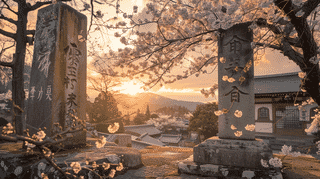
Discover the Tagajo Monument, one of Japan's three oldest stone inscriptions and newest National Treasure. This 8th-century frontier marker near Sendai offers free access to authentic ancient history, seasonal beauty, and the exact spot where haiku master Matsuo Basho wept.

Discover the Amabe Clan Genealogy, a National Treasure housed at Kono Shrine near Amanohashidate, Kyoto. This 9th-century scroll is Japan's oldest surviving family genealogy, revealing the history of an ancient seafaring clan.
Discover the Okuiri, a National Treasure commentary on The Tale of Genji handwritten by the legendary poet Fujiwara no Teika around 1233. Learn about this invaluable manuscript's history, significance, and its role in preserving Japan's greatest literary masterpiece.
Explore the Gilt-Bronze Epitaph of Ono no Emishi, a National Treasure dating to 677 CE. Learn about its connection to the famous diplomat Ono no Imoko, its dramatic discovery at Sudō Shrine in Kyoto, and how to visit this hidden gem of Japanese archaeology.
Discover the National Treasure gilt-bronze sutra container (kyōzutsu) of Fujiwara no Michinaga, the oldest sutra burial artifact in Japan, dating from 1007. On deposit at the Kyoto National Museum, this Heian-period masterpiece reveals the faith and power of Japan's most influential regent.
Discover the National Treasure sutra boxes and artifacts from the Kinpusen Sutra Mounds at the Kyoto National Museum, testifying to the deep faith and artistic mastery of Heian-period aristocrats led by Fujiwara no Michinaga.
The Yamashina Nishinoyama Kofun Excavated Artifacts, designated a National Treasure in 1953 and housed at the Kyoto University Museum, are an extraordinary collection of early Heian period grave goods. Featuring a gold-mounted great sword, a gold-and-silver twin-phoenix mirror, and stone belt ornaments befitting the highest court nobility, these artifacts are believed to have come from the tomb of Sakanoue no Tamuramaro — the legendary Sei-i Taishogun who pacified northern Japan and founded Kiyomizu-dera Temple.
Discover Yosa Buson's masterpiece "Yashoku Rōdai-zu" (Night Scene of Towers and Pavilions), a National Treasure of Japan. This late 18th-century ink painting captures a snowy Kyoto night with breathtaking subtlety. Learn about its artistic significance, viewing opportunities, and Buson-related sites in Kyoto.
Built around 1215, Ujigami Shrine's worship hall is Japan's oldest. Shutters and a low floor borrow from aristocratic houses; a bargeboard hides the gabled roof.
Ring-dating in 2004 put the timber of Ujigami Shrine's main hall at about 1060, making it Japan's oldest surviving shrine hall. Three sanctuaries, one shared roof.
The Five-Story Pagoda of Kaijusenji Temple in Kizugawa City, Kyoto Prefecture, is Japan's only surviving five-story pagoda from the Kamakura period, built in 1214. Discover this National Treasure's unique architectural features including the rare mokoshi pent roof shared only with Horyuji Temple, its exquisite interior paintings, and the serene mountain setting overlooking the ancient Kuni-kyo capital ruins.
More from Kyoto
Kyoto’s registered properties across designations, with featured heritage and travel notes.
The complete kokuhō catalogue — browse by prefecture, period, and category.
Nationwide jūyō bunkazai — architecture, sculpture, painting, crafts, and documents.