
Registered Tangible Cultural Properties of Japan
登 録 有 形 文 化 財Browse Japan’s Registered Tangible Cultural Properties nationwide. Filter by prefecture, period, and category, with concise stories, maps, and practical travel tips.
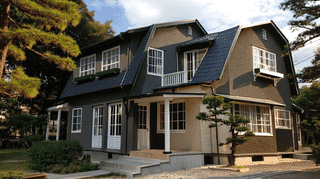
A missionary's house of 1927 at the centre of the Jiaien welfare campus in Kumamoto, with a double pentagonal gable and a large south dormer. Listed in 2007.
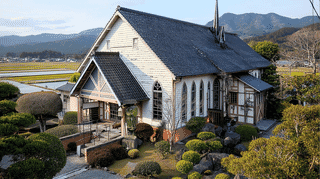
A temple main hall of 1926 in Yunomae, Kumamoto, Western throughout: mansard roof, pointed-arch windows, trussed roof. Said to be the head priest's son's design.
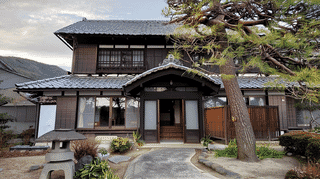
A Meiji-period timber main building in Tamamura, Gunma Prefecture, Japan. It once served as both a house and as a doctor's very own surgery in it too.
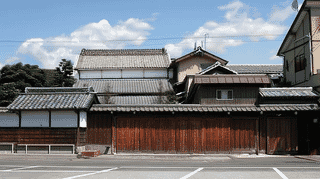
A Meiji-period main house in Kiryu, Gunma Prefecture, Japan. Its grounds meet the main street, yet the house is unseen from it; the family's looms stood elsewhere.
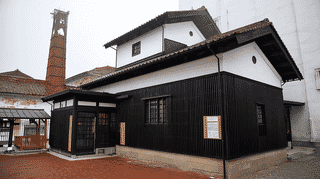
An Edo-period storehouse in Saijo, Higashihiroshima, Hiroshima Prefecture, Japan. An inscription on its window grille dates it to 1836, the oldest in the area.
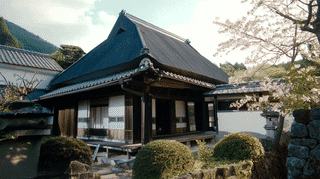
A Meiji-period main house in Manno, Kagawa Prefecture, Japan. Eaves run round all four sides, and one formal room also serves as the altar room there.
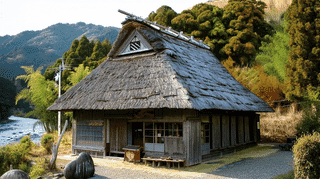
A thatched Meiji-period farmhouse at Shimanto, Kochi Prefecture, Japan. Moved from a mountain hamlet in 1990, its plan divides into three parts along its length.
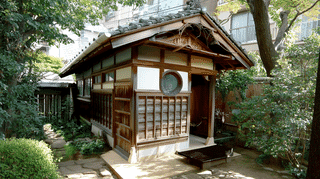
A Showa-period privy at Tano, Kochi Prefecture, Japan. Just 7 square metres, it has a hip-and-gable roof and a round window in the refined tea-house manner.
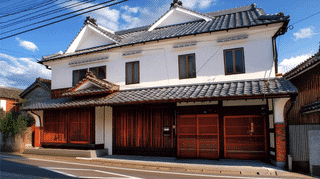
A Meiji-period town house at Kashima, Saga Prefecture, Japan. Its walls are plastered white over hidden posts in the local style, with ebony in its reception room.
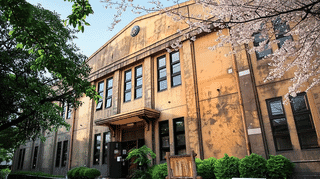
A Taisho-period school building in Soka, Saitama Prefecture, Japan. Its own roof over there was given over to use as a playground even so even now today.
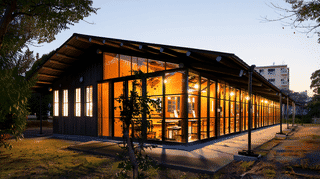
A Showa-period timber hall in Tsu, Mie Prefecture, Japan. Its own name over there is simply that of the architect who had designed it all even so now.
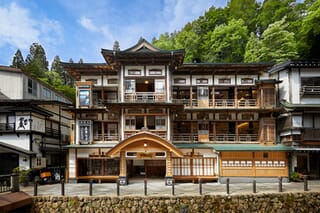
A three-storeyed Taisho timber building in the Ginzan hot-spring town, Yamagata, Japan. Its ground-floor bath faces the street; its river verandas shape the town.
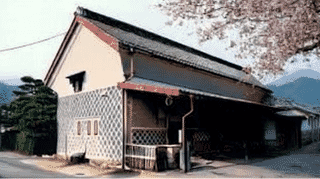
An Edo-period oil storehouse in Fujikawa, Yamanashi Prefecture, Japan. Of its three rooms only one has an upper floor; the rest rise open to the roof.
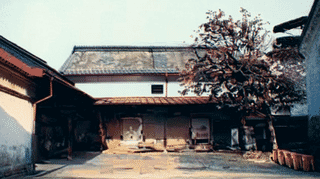
An Edo-period salt storehouse in Fujikawa, Yamanashi Prefecture, Japan. Only its western room held salt, yet that one room gives the whole building its name.
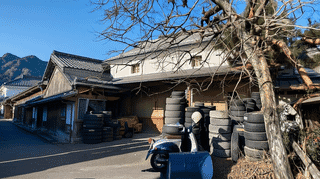
A Meiji-period reception room in Fujikawa, Yamanashi Prefecture, Japan. Its record gives two storeys and one; built to match the stores, it now serves as a canteen.
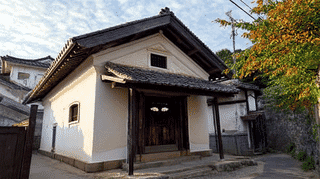
An Edo-period document storehouse in Fujikawa, Yamanashi Prefecture, Japan. Two other buildings on the grounds are placed by reference to this small store.
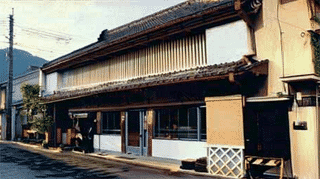
An Edo-period shop storehouse in Fujikawa, Yamanashi Prefecture, Japan. Shop below and rooms above, it was drawn back whole in 1960 to widen the road.
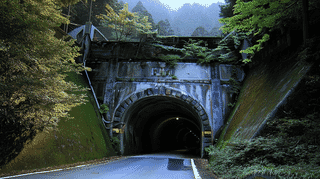
A Showa-period road tunnel in Yamanashi Prefecture, Japan. The record over there grants its own plainness first before quite stating its value even now.
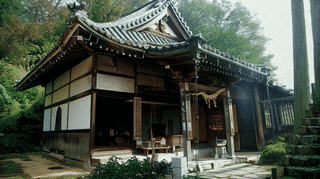
A Showa-period timber goma hall at Kannonshoji in Shiga Prefecture, Japan. It was itself built out of the old members of a much older hall there today.
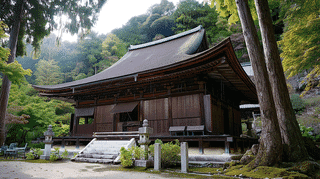
A Meiji-period timber Jizo hall at Kannonshoji in Shiga Prefecture, Japan. Its own front bays over there are each fitted in quite different ways today.
More across Japan
The complete kokuhō catalogue — browse by prefecture, period, and category.
Nationwide jūyō bunkazai — architecture, sculpture, painting, crafts, and documents.
UNESCO-inscribed cultural and natural sites across the archipelago.