
Kamakura
鎌倉Browse Japan’s cultural heritage from the Kamakura period (1185 – 1333). Filter by prefecture, type, and keyword, with concise stories, maps, and travel tips.
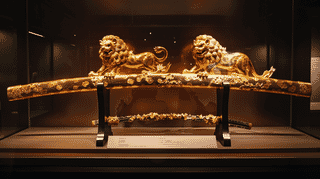
A Kamakura-period sword owned by Kasuga Taisha in Nara Prefecture. Of the three swords numbered in sequence there, only this one was listed early on now.
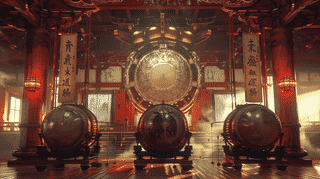
A pair of great ceremonial drums owned by Kasuga Taisha in Nara Prefecture. A hundred and nineteen full years lie between its own two listings here now.
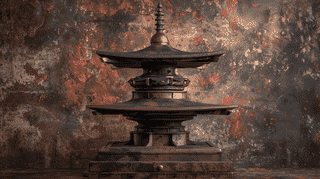
A Kamakura-period pagoda owned by Saidaiji in Nara Prefecture. A museum now holds it, so its own location and its own owner are recorded well apart here.
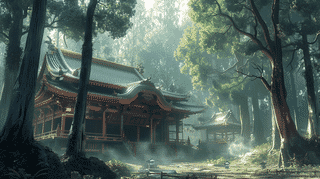
A late Kamakura-period hall in Kobe, Hyogo Prefecture. Another hall of exactly the same name over in Ehime is also a National Treasure in its own right.
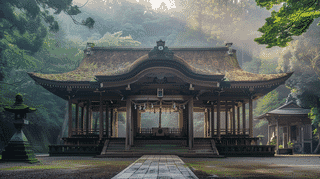
Kandani Shrine Main Hall in Sakaide, dated 1219 by an ink inscription, is the oldest three-bay nagare sanctuary. Its roof, burned by lightning, was restored in 2025.
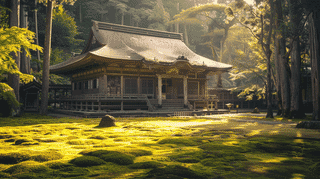
Akishino-Dera Temple Main Hall in Nara is an early Kamakura hall on the old lecture hall site, with an earthen floor and low hipped roof. National Treasure, 1953.
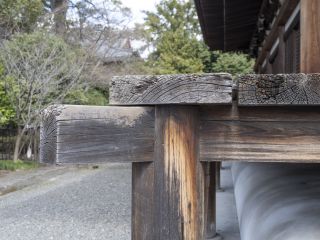
The 1227 main hall of Daihoonji (Senbon Shakado), Kyoto, a National Treasure since 1952 and the oldest building in central Kyoto.
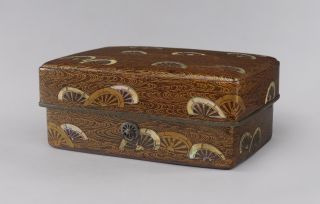
At the Tokyo National Museum, this Kamakura National Treasure sets shell cart wheels in a dense gold ground, bolder and more ordered than its Heian twin.
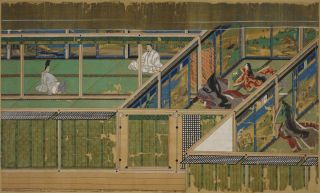
Ninety-three Kasuga miracle tales on twenty silk scrolls, painted around 1309 by Takashina Takakane. Complete and never repainted, a National Treasure since 2021.
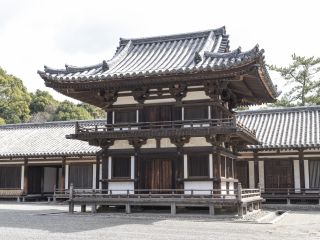
Built in 1240 and called the Relic Hall, the Drum Tower of Toshodai-ji enshrines relics said to have come with Ganjin and hosts the May fan-scattering rite, Uchiwamaki.
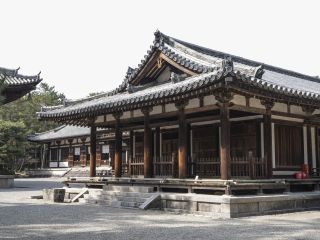
The Worship Hall of Toshodai-ji is a long nineteen-bay Important Cultural Property joining a chapel and a monks' dormitory, and still hosts the October Shaka rite.

An unsigned Kamakura katana of the Yoshioka Ichimonji school of Bizen, an Important Cultural Property since 1957, with a splendid irregular reflection.
A grandly proportioned katana attributed to the Kamakura-to-Nanbokucho master Sadamune, this Important Cultural Property descended through the Owari Tokugawa family and is now displayed at the Nagoya Sword Museum (Touken World) in Aichi.
Shortened long ago and unsigned, this Kamakura blade in Nagoya is attributed to the Kyoto smith Kunitoshi by its temper and point, and is unusually well preserved.
An unsigned Kamakura katana attributed to Moritoshi of Bitchu's Old Aoe school, an Important Cultural Property since 1950, and where to see Aoe blades in Nagoya.
Discover the Sword (Unsigned, Rai Kunimitsu), an Important Cultural Property held privately in Aichi and once part of the Tokugawa shogunal collection. Forged in late Kamakura-period Kyoto by the master Rai Kunimitsu, this 69.6 cm blade exemplifies the refined Yamashiro tradition. Explore its history, artistry, 1960 designation, and where to see Kunimitsu's other works in Nagoya.
An early thirteenth-century Tamba jar incised with chrysanthemums at the Aichi Prefectural Ceramic Museum, an Important Cultural Property since 2005.
A 13th-century Kamakura hanging scroll at Rinsenji in Hekinan, Aichi, designated in August 2024. Just 82.8 cm tall, dense with cut-gold-leaf kirikane work.
A Kamakura-period silk mandala of Butsugen Butsumo, the Buddha-Eye Mother whose eye embodies wisdom. It served an esoteric rite and survives privately in Aichi.
A late-Kamakura tachi by Kyoto's Rai Kunimitsu, slender for the master and shortened yet still signed. An Important Cultural Property now held in Nagoya, Aichi.