
Kamakura
鎌倉Browse Japan’s cultural heritage from the Kamakura period (1185 – 1333). Filter by prefecture, type, and keyword, with concise stories, maps, and travel tips.
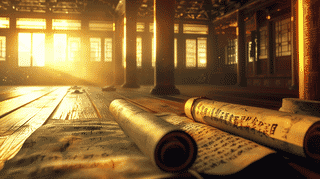
Three Tang-dynasty scrolls at Kosanji in Kyoto Prefecture. The country field of the official record reads China here, and it does not read Japan at all.
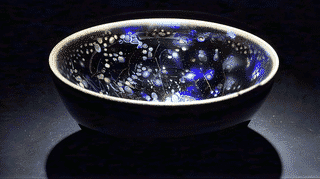
A tea bowl held at Ryukoin in Kyoto Prefecture. Yet another bowl of the very same name is recorded there under a different system of listing altogether.
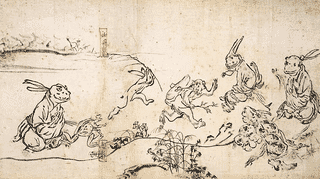
Four handscrolls at Kosanji in Kyoto, of the Heian and Kamakura periods. Another record shows that the first of them had once been two separate scrolls.
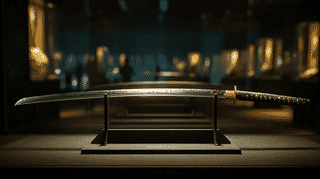
A Kamakura-period katana at the Tokyo National Museum in Tokyo. Its tang was cut right back, so the name of the maker had to be inlaid in gold later on.
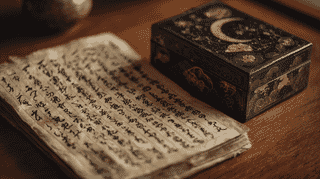
A manuscript in Teika's own hand kept in Tokyo. The same disordered leaves running through all the later copies proved this one to be the ancestor.
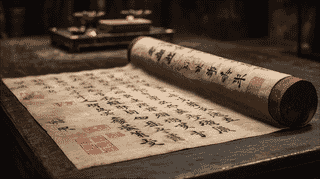
A Tang-dynasty copy of a letter by Wang Xizhi, kept in Tokyo. Nothing at all in his own hand survives, and so the copy itself is now the treasure here.
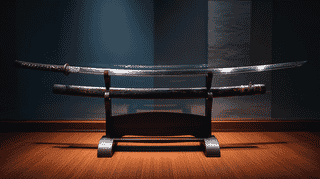
A Kamakura-period tachi held at the Tokyo National Museum in Tokyo. Its tang was never once cut back at all, and so the smith's own signature survives.
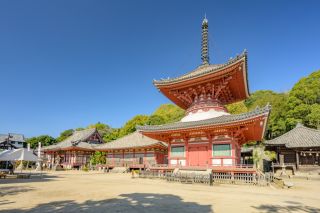
Jodoji Temple Tahoto Pagoda in Onomichi was rebuilt in 1329 after a fire. Praised for its balance and original details, it held hand-copied sutras in its spire.
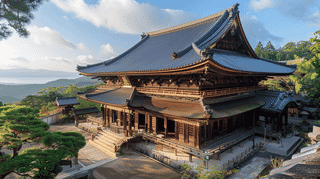
Jodoji Temple Main Hall in Onomichi, built in 1327 after a fire, is an eclectic-style hall rated among the oldest on the Seto Inland Sea. What to see inside.
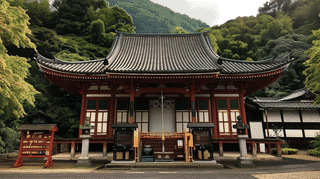
A late Kamakura-period hall in Hiroshima Prefecture. It and the temple's own pagoda took the two steps of the listing here in quite the opposite order.
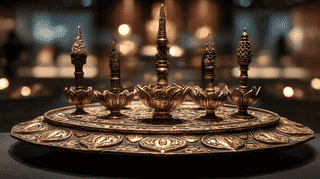
A Kamakura-period set owned by Itsukushima Shrine in Hiroshima Prefecture. Its own three vajras all lie within just nine millimetres of each other here.
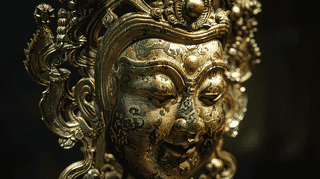
A Tang-period staff head owned by Zentsuji in Kagawa Prefecture. It came over from China long ago and is said to have changed the metalwork made here.
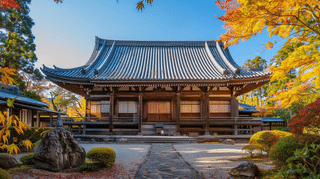
The Buddha hall of Kozanji in Shimonoseki, Yamaguchi, dated 1320 by an ink inscription older than the temple itself, is a typical Zen-style hall with a pent roof.
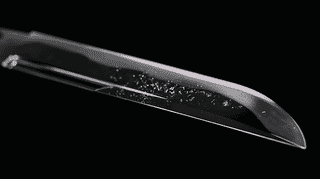
A Kamakura-period waist sword in Yamaguchi Prefecture. Its name comes from the chrysanthemums carved upon the hilt of it, and not upon the blade itself.
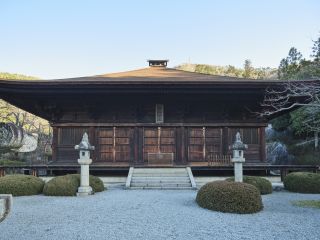
A Kamakura-period hall in Yamanashi Prefecture. Ten mon levied on each household across the two provinces went into paying for the whole building here.
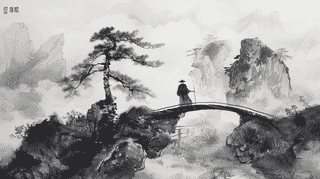
A Southern Song painting on one scroll at Kuonji in Yamanashi, recorded as having once formed a single set with two other scrolls held elsewhere today.
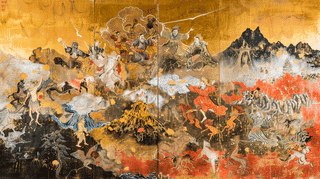
A Kamakura-period painting in several scrolls at Shojuraigoji in Otsu, Shiga. A copy of the work itself carries a prefectural listing entirely of its own.
A Tang-period text owned by Enryakuji in Shiga Prefecture. Its own country field reads China, while its own period field gives the Tang dynasty of it.
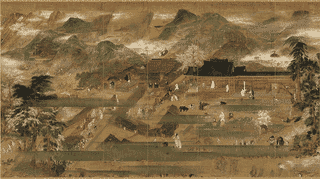
A Kamakura-period handscroll set at Shojokoji in Kanagawa. Its seventh scroll alone is held in Tokyo and recorded there as a wholly separate property.
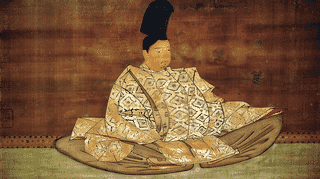
A Kamakura-period portrait at Shomyoji in Yokohama, showing the fourth and last of the four generations among the commanders that are all kept there today.