
Asuka
飛鳥Browse Japan’s cultural heritage from the Asuka period (538 – 710). Filter by prefecture, type, and keyword, with concise stories, maps, and travel tips.

An Asuka-period straight sword owned by Shitennoji in Osaka, the Big Dipper and clouds inlaid in gold. Star-inlaid blades survive in only three groups.
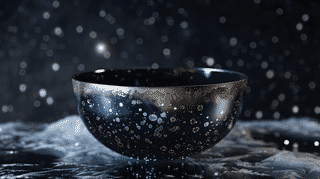
A Southern Song Jian bowl at the Museum of Oriental Ceramics in Osaka, silver spots packed tightly across both surfaces. Once owned by the regent Hidetsugu.

A Southern Song tenmoku bowl at the Fujita Museum in Osaka, its black glaze scattered with haloed spots. Alone among yohen bowls, it is mottled inside and out.
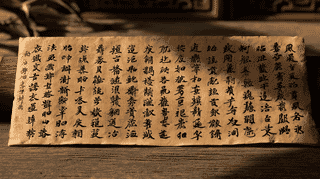
A Chinese calligraphy album in Kyoto Prefecture, the Thousand Character Classic written twice in two scripts. The Agency leaves the maker field blank.
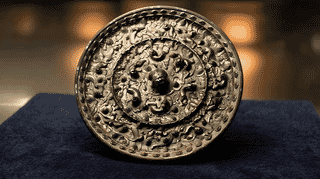
A Tang bronze mirror at Oyamazumi Shrine in Ehime, 26.8 centimetres across. A grapevine forms the ground beneath birds and beasts. National Treasure since 1953.
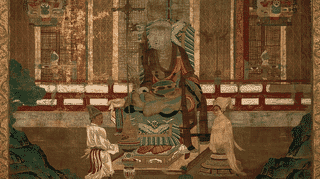
A Buddhist painting in sixteen scrolls owned by Seiryoji in Kyoto. The record gives its country as Song and its period as Northern Song, not as Japan.
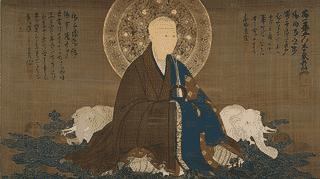
A Southern Song painting on one scroll at Tofukuji, Kyoto, showing the full figure. It came down in a single box with a second scroll of the same title.
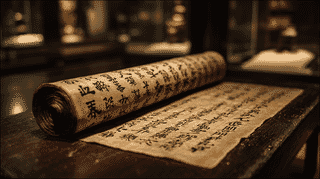
An Asuka-period sutra scroll owned by the state in Kyoto Prefecture. Its own colophon fixes the cyclical year, and the record enters 686 as the date of it.
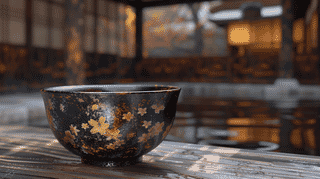
A Southern Song tea bowl held at Shokokuji in Kyoto Prefecture. On the inside, the pattern is formed exactly where the upper glaze was simply left off.
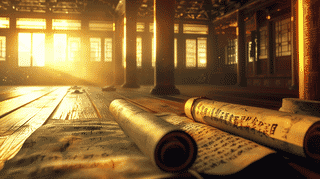
Three Tang-dynasty scrolls at Kosanji in Kyoto Prefecture. The country field of the official record reads China here, and it does not read Japan at all.
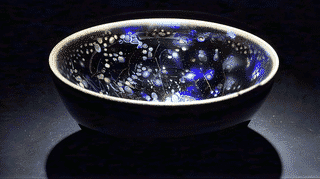
A tea bowl held at Ryukoin in Kyoto Prefecture. Yet another bowl of the very same name is recorded there under a different system of listing altogether.
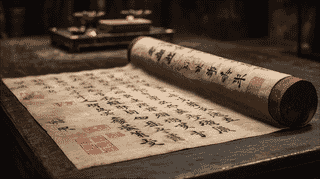
A Tang-dynasty copy of a letter by Wang Xizhi, kept in Tokyo. Nothing at all in his own hand survives, and so the copy itself is now the treasure here.
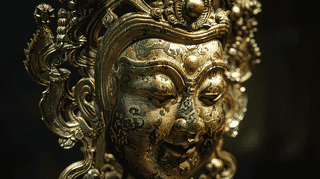
A Tang-period staff head owned by Zentsuji in Kagawa Prefecture. It came over from China long ago and is said to have changed the metalwork made here.
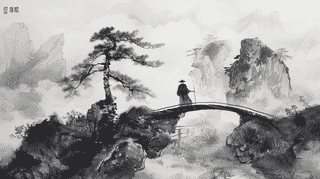
A Southern Song painting on one scroll at Kuonji in Yamanashi, recorded as having once formed a single set with two other scrolls held elsewhere today.
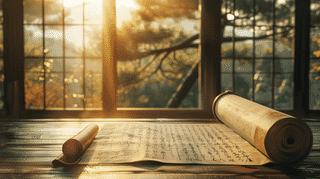
A Tang-period text owned by Enryakuji in Shiga Prefecture. Its own country field reads China, while its own period field gives the Tang dynasty of it.
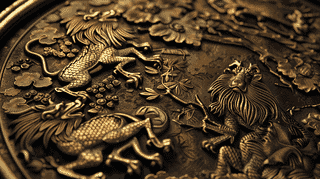
A mirror owned by Katori Jingu in Chiba Prefecture. Another one made from the very same mould is now among the Shosoin treasures over in Nara as well.
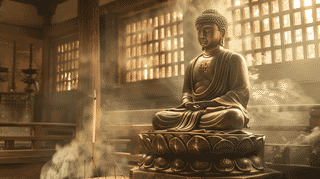
A gilt bronze Buddha at Jindaiji in Tokyo, seated on a chair with both feet forward. Found beneath an altar platform in 1909, it became a National Treasure in 2017.

A Southern Song tea bowl in Tokyo, known as the Inaba Tenmoku. Another bowl of the very same name here was listed on exactly the same day as this one.
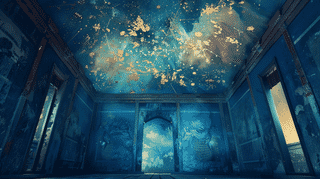
Five Asuka-period murals from the Kitora tomb in Nara, the only set in Japan where all four guardians survive. Its ceiling star chart is the oldest in East Asia.
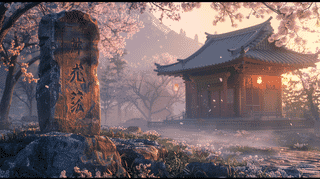
A stele owned by Kasaishi Shrine in Tochigi Prefecture. The era name that its own inscription carries here is Chinese, rather than a Japanese one at all.