
Nara
奈良Browse Japan’s cultural heritage from the Nara period (710 – 794). Filter by prefecture, type, and keyword, with concise stories, maps, and travel tips.
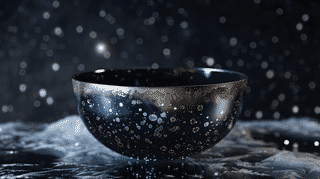
A Southern Song Jian bowl at the Museum of Oriental Ceramics in Osaka, silver spots packed tightly across both surfaces. Once owned by the regent Hidetsugu.
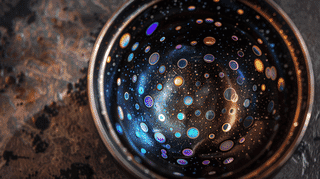
A Southern Song tenmoku bowl at the Fujita Museum in Osaka, its black glaze scattered with haloed spots. Alone among yohen bowls, it is mottled inside and out.
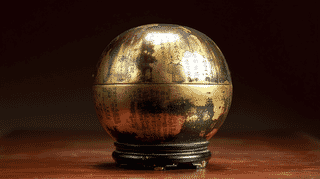
A gilt bronze funerary urn found at Kashiba in Nara, now at the Kyoto National Museum. A sphere parting in two, inscribed inside the lid with 391 characters.
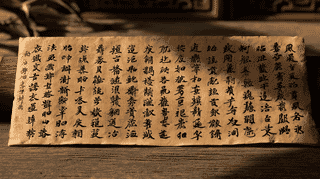
A Chinese calligraphy album in Kyoto Prefecture, the Thousand Character Classic written twice in two scripts. The Agency leaves the maker field blank.
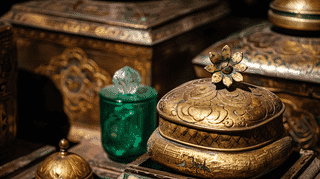
Finds from the site of Sufukuji in Otsu, Shiga, recovered in 1938 from a cavity in the pagoda's foundation stone. Four nested containers held three crystal relics.
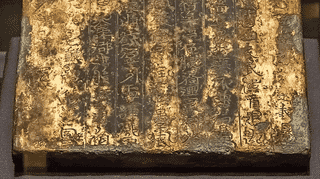
A Nara-period gilt bronze epitaph found at Magami in Takatsuki, Osaka, now at the Osaka Museum of History. Dated 762, it records lineage, office and burial.
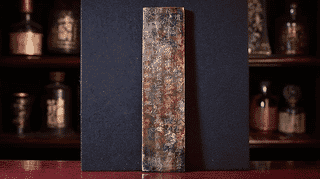
A copper epitaph found at Matsuokayama in Kashiwara, Osaka, now at the Mitsui Memorial Museum. Its inscription dates the burial to 668. National Treasure since 1961.
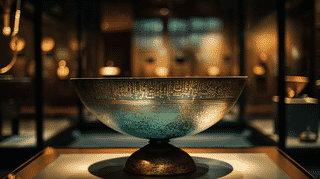
A Nara-period bronze finial inscribed with a date matching 715. Part of a pagoda mast, it survives where the pagoda does not. National Treasure since 1953.
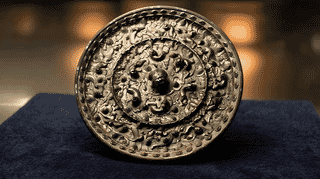
A Tang bronze mirror at Oyamazumi Shrine in Ehime, 26.8 centimetres across. A grapevine forms the ground beneath birds and beasts. National Treasure since 1953.
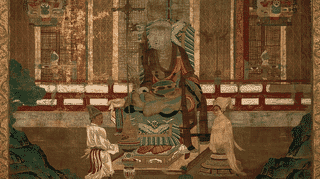
A Buddhist painting in sixteen scrolls owned by Seiryoji in Kyoto. The record gives its country as Song and its period as Northern Song, not as Japan.
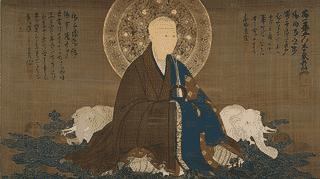
A Southern Song painting on one scroll at Tofukuji, Kyoto, showing the full figure. It came down in a single box with a second scroll of the same title.
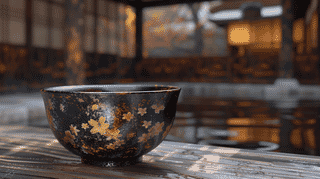
A Southern Song tea bowl held at Shokokuji in Kyoto Prefecture. On the inside, the pattern is formed exactly where the upper glaze was simply left off.
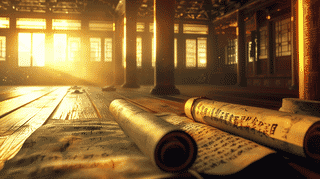
Three Tang-dynasty scrolls at Kosanji in Kyoto Prefecture. The country field of the official record reads China here, and it does not read Japan at all.
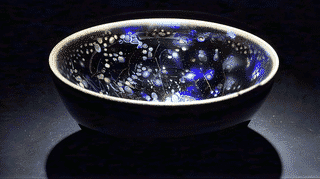
A tea bowl held at Ryukoin in Kyoto Prefecture. Yet another bowl of the very same name is recorded there under a different system of listing altogether.
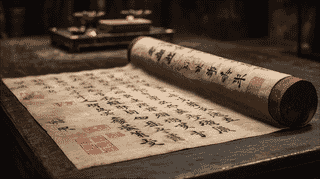
A Tang-dynasty copy of a letter by Wang Xizhi, kept in Tokyo. Nothing at all in his own hand survives, and so the copy itself is now the treasure here.
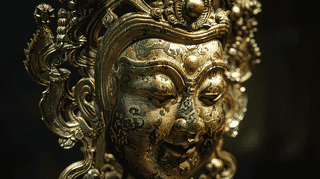
A Tang-period staff head owned by Zentsuji in Kagawa Prefecture. It came over from China long ago and is said to have changed the metalwork made here.
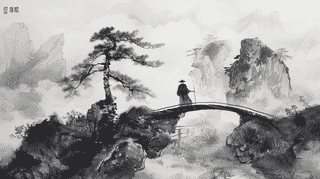
A Southern Song painting on one scroll at Kuonji in Yamanashi, recorded as having once formed a single set with two other scrolls held elsewhere today.
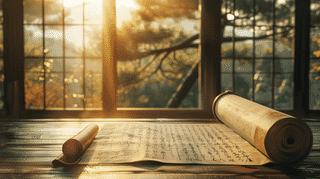
A Tang-period text owned by Enryakuji in Shiga Prefecture. Its own country field reads China, while its own period field gives the Tang dynasty of it.
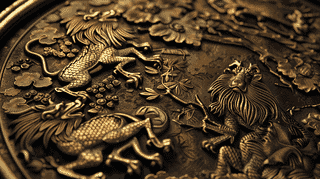
A mirror owned by Katori Jingu in Chiba Prefecture. Another one made from the very same mould is now among the Shosoin treasures over in Nara as well.
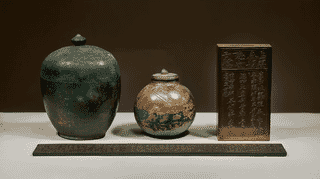
Archaeological material at the Tokyo National Museum in Tokyo. Its containers nest three deep here: a box, a jar, and a glass jar set inside that one.