
Kamakura
鎌倉Browse Japan’s cultural heritage from the Kamakura period (1185 – 1333). Filter by prefecture, type, and keyword, with concise stories, maps, and travel tips.
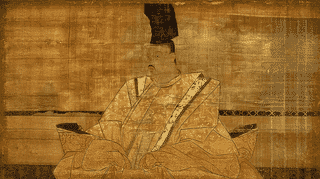
A Kamakura-period portrait at Shomyoji in Yokohama, one of the four scrolls that together span four generations of a single warrior house in Kamakura.
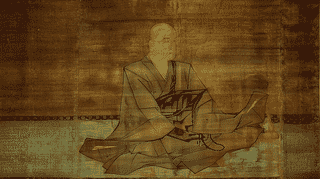
A Kamakura-period portrait at Shomyoji in Yokohama, one of the four scrolls that together span four generations of a single warrior house in Kamakura.
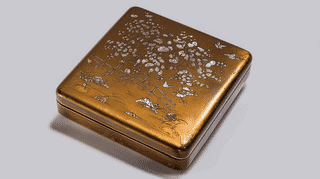
A Kamakura-period inkstone box at Tsurugaoka Hachimangu in Kanagawa. Its own design reaches even a floor that is seen only when the tray is lifted out.
Two Kamakura-period handscrolls at Komyoji in Kanagawa Prefecture. A document dated to the year 1793 is designated alongside them here as an appendage.
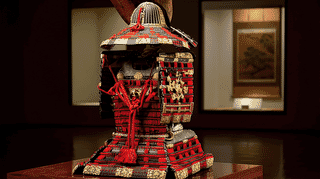
A Kamakura-period armour in Aomori Prefecture. It and a National Treasure of the same name over in Nara are together called a matched pair of the two.
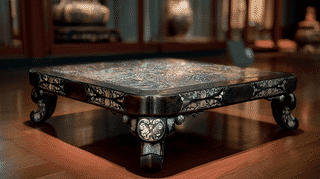
A Kamakura-period dais held at the MOA Museum of Art in Atami, Shizuoka. Its own length and its own width there are recorded as one single figure only.
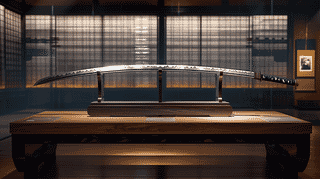
A Kamakura-period naginata in Shizuoka Prefecture. Its tang, hidden away inside the shaft, runs some twenty centimetres longer than the blade does here.
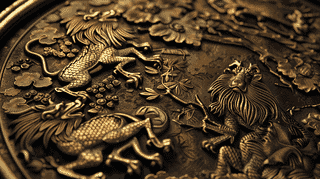
A mirror owned by Katori Jingu in Chiba Prefecture. Another one made from the very same mould is now among the Shosoin treasures over in Nara as well.
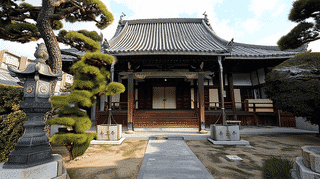
A late Kamakura-period Buddhist main hall in Kumatori, Osaka Prefecture. Its own front and its own depth there both measure exactly three bays even now.
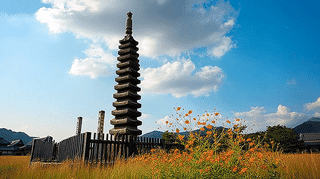
An early Kamakura-period stone pagoda in Usuki, Oita Prefecture. Its own owner there is recorded in two quite different ways in the two records today.
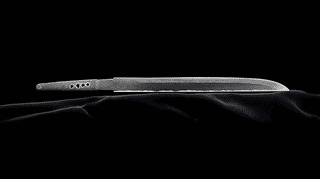
A Kamakura-period tanto at the Tokugawa Art Museum in Aichi. The two records give its length differently here, by a tenth of a centimetre in each case.
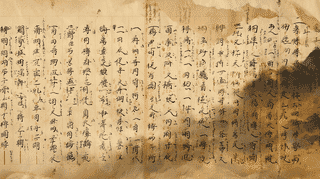
A manuscript owned by the Tokugawa Museum in Mito, Ibaraki Prefecture, which comes down to us here in its own two volumes, the upper and the lower one.
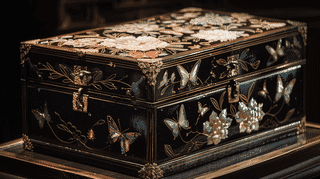
A Kamakura-period hand box kept in Tokyo. Three techniques answer to three colours in it: the gold of lacquer, the white of shell, the silver of inlay.
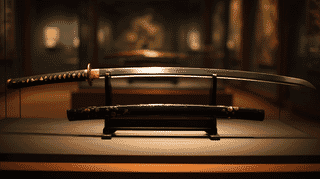
A Kamakura-period blade held at the Tokyo National Museum in Ueno. Its own reading field there reproduces all of the punctuation of the name even now.
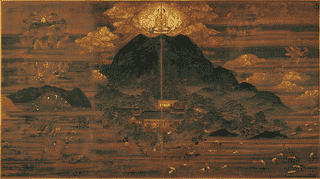
A Kamakura-period mandala on one scroll at the Nezu Museum in Tokyo. Two separate records describe it, one giving the background and one the picture itself.
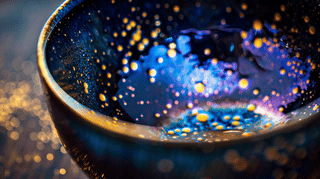
A Southern Song tea bowl in Tokyo, known as the Inaba Tenmoku. Another bowl of the very same name here was listed on exactly the same day as this one.
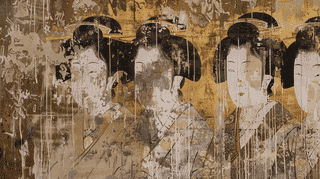
A Kamakura-period sutra scroll kept in Tokyo, written upon the underdrawings for a picture scroll that a death had left unfinished halfway through it.
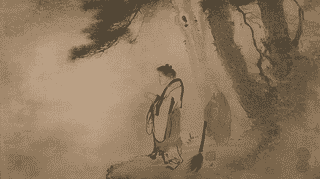
An ink painting on deposit at the Tokyo National Museum, owned by a foundation. Its title names Shide alone, and not the usual pair of the two figures.
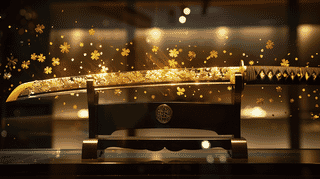
A Kamakura-period sword owned by Kasuga Taisha in Nara Prefecture. Its own commentary here lists only how it differs from the other sword kept there now.
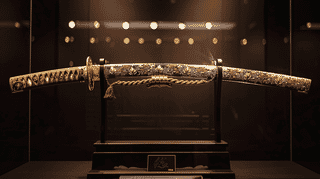
A Kamakura-period sword owned by Kasuga Taisha in Nara Prefecture. Unlike its own companion sword there, its commentary stands on its own two feet here.