
Historic Sites, Places of Scenic Beauty, and Natural Monuments of Japan
史 跡 名 勝 天 然 記 念 物Browse Japan’s Historic Sites, Places of Scenic Beauty, and Natural Monuments nationwide. Filter by prefecture, period, and category, with concise stories, maps, and practical travel tips.
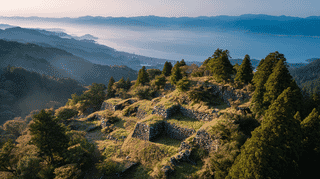
A warring-states castle site in Takashima, Shiga Prefecture, Japan. Three quite separate sites over there make up the whole of it even so even now today.
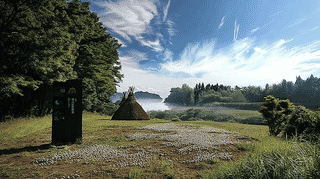
A Jomon settlement with a shell mound at Tsugaru, Aomori Prefecture, Japan. Unfinished shell bracelets show they were made here and traded across to Hokkaido.
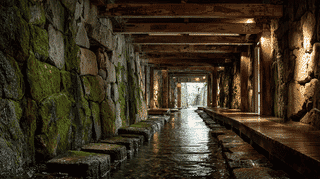
An Edo-period canal in Kanazawa, Ishikawa Prefecture, Japan. Its own name over there holds both a subject and an appendage together even so even today.
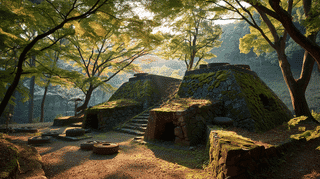
A Heian-period kiln site in Suita, Osaka Prefecture, Japan. Two quite different kinds of kiln over there each served the two stages of the firing now.
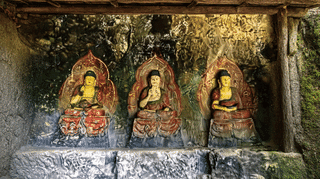
Stone Buddhas at Bungo-Ono, Oita Prefecture, Japan, said to be of the late Heian period. Amida, Shaka and Yakushi share the next life, the past and the present.
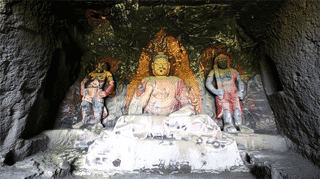
The Ogata Miyasako East Stone Buddhas are five late Heian figures cut into Aso tuff around Dainichi, later revered as guardians of cattle. Historic Site since 1934.
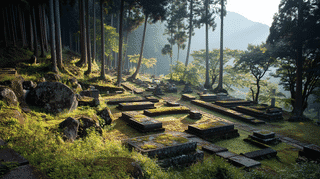
A Christian burial ground on a ridge in Usuki, Oita, where 66 graves survived the centuries of prohibition intact. Designated a Historic Site in 2018.
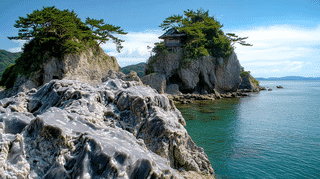
A source of obsidian in Oita Prefecture, Japan. Two methods over there give ages that differ by more than a hundred thousand whole years even so today.
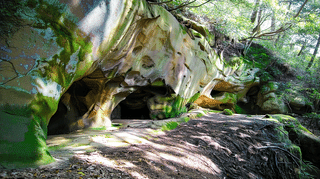
A cave site at Sasebo, Nagasaki Prefecture, Japan. Across twelve layers, five kinds of early Jomon pottery appear in order, above layers of stone tools from before.
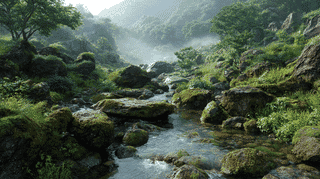
A natural monument in Unzen, Nagasaki Prefecture, Japan. It is designated for a freshwater red alga that grows in the river over there even so now today.
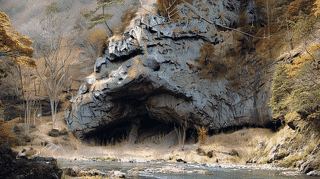
A cave site at Ueda, Nagano Prefecture, Japan. In the Kofun period its floor was paved with river stones in three steps for burials, some suggesting exposure burial.
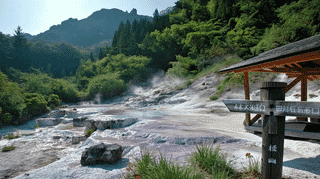
Silica deposits at a hot spring in Nagano Prefecture, Japan. Sinter is called not rare; the pale purple colloidal silica is what is valued over here now.
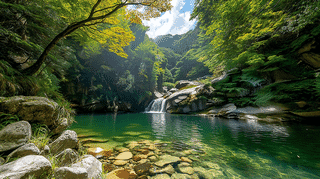
A valley in Misasa, Tottori Prefecture, Japan. It is planned together with another property over there, though it is quite designated apart even today.
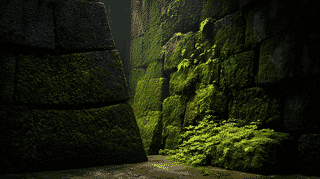
Luminous moss grows in the joints of a castle wall in Kitanomaru Park, Tokyo. Found in 1969 and designated a Natural Monument in 1972, it is closed to the public.
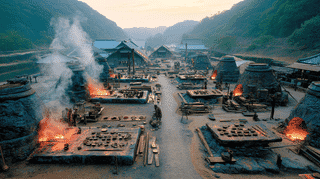
A state workshop site of the Asuka period in Asuka, Nara Prefecture, Japan. A wall divided offices from workshops, and it proved Fuhon coins the oldest in Japan.
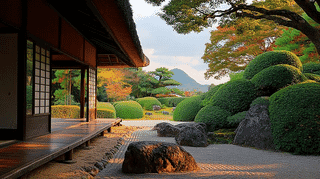
A dry landscape garden in Yamatokoriyama, Nara Prefecture, Japan. It draws the hills beyond its own hedge over there right into itself even so even now.
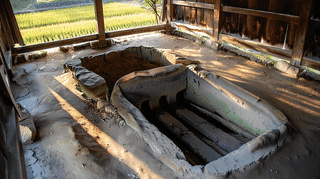
A Kamakura-period kiln site at Yamatokoriyama, Nara Prefecture, Japan. Thought to have fired tiles for a temple rebuilding, one of three kilns survives sheltered.
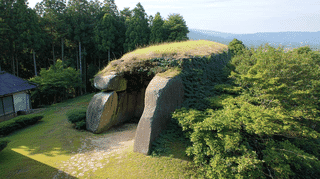
A keyhole-shaped tomb in Katsuragi, Nara Prefecture, Japan. One mound over there holds its own three stone chambers even now, no two of them at all alike.
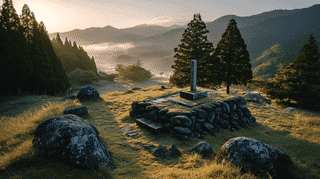
The grave of Fumi no Nemaro at Uda, Nara Prefecture, Japan. Found by a farmer in 1831, it is known by its inscribed epitaph plate, now kept apart in Tokyo.
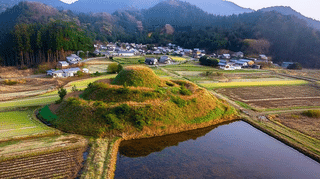
A keyhole-shaped tumulus in Wakasa, Fukui Prefecture, Japan. Its mound rises in three tiers, and it has long been farmed: dry fields above, paddies in the old moat.
More across Japan
The complete kokuhō catalogue — browse by prefecture, period, and category.
Nationwide jūyō bunkazai — architecture, sculpture, painting, crafts, and documents.
UNESCO-inscribed cultural and natural sites across the archipelago.