
Heian
平安Browse Japan’s cultural heritage from the Heian period (794 – 1185). Filter by prefecture, type, and keyword, with concise stories, maps, and travel tips.
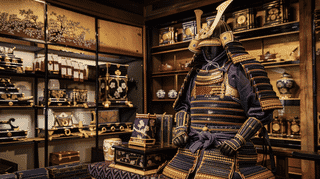
A suit of armour owned by Kanda Tenjinja in Yamanashi Prefecture. Its own fittings there are called the original of the Takeda crest itself even today.
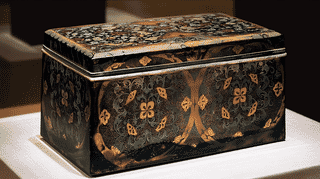
A Heian-period sutra box owned by Enryakuji in Shiga Prefecture. Gold marks out the flowers and the rings, and silver marks out the leaves and the stems.
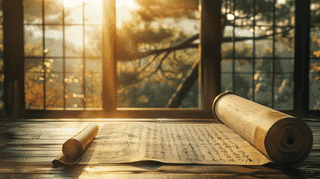
A Tang-period text owned by Enryakuji in Shiga Prefecture. Its own country field reads China, while its own period field gives the Tang dynasty of it.
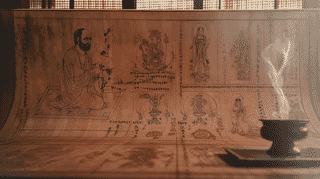
A Heian-period scroll of iconographic drawings at Onjoji in Shiga, lacking its opening. A complete scroll shares the very same designation number with it.
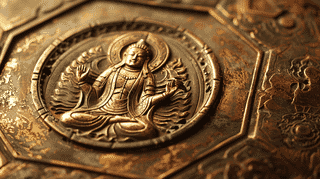
A Heian-period mirror owned by Suijinja in Akita Prefecture. Dug up in 1677, it was later enshrined in a small shrine that was built there just for it.
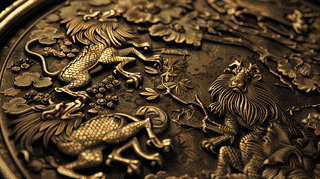
A mirror owned by Katori Jingu in Chiba Prefecture. Another one made from the very same mould is now among the Shosoin treasures over in Nara as well.
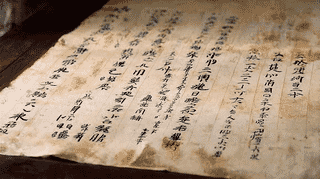
A Heian-period text owned by Amanosan Kongoji in Osaka Prefecture. Its own date field is empty, and yet a year still survives in another field of it here.
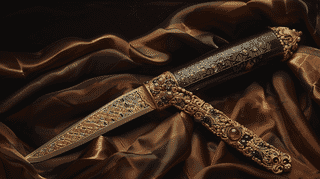
A Heian-period knife owned by Domyoji Tenmangu in Osaka Prefecture. Its own handle runs some three centimetres longer than the blade that it holds now.
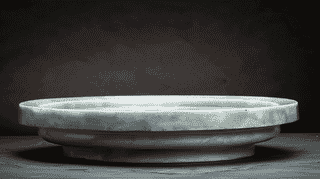
An inkstone owned by Domyoji Tenmangu in Osaka Prefecture. Its own country field reads Japan, while its own text still calls the work Tang instead here.
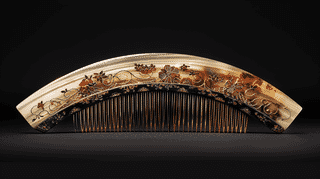
A Heian-period comb owned by Domyoji Tenmangu in Osaka Prefecture. Red and green colouring lies beneath its tortoiseshell and shows right through it now.
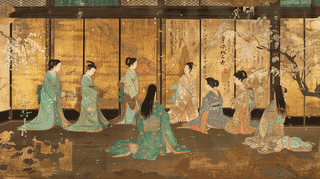
A Heian-period handscroll in Nara owned by a listed company. The company owns the scroll itself while a museum that it runs is the place that keeps it.
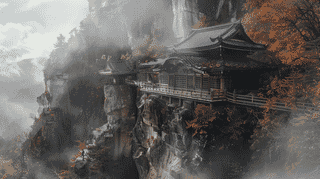
Nageiredo, the inner hall of Sanbutsuji on Mt. Mitoku, Tottori, is a late Heian building set into a cliff-face cave on long posts, reached by a steep pilgrim trail.

Twelve Heian-period hanging scrolls held at the Kyoto National Museum. Twelve more of the very same name and owner hang at a different museum entirely.
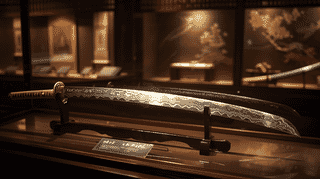
A Heian-period tachi held at the Tokyo National Museum in Tokyo. Its by-name here comes from the crescent moon shapes running along the temper line of it.
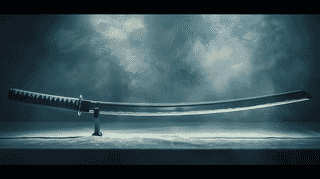
A Heian-period tachi held in Tokyo. One single maker goes under three names across the one record here: the signature, a surname, and a by-name as well.
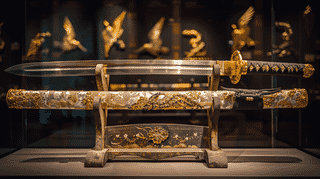
A Heian-period ceremonial sword at the Tokyo National Museum in Tokyo. Its title here uses the older variant characters for two of the words within it.

A Southern Song tea bowl in Tokyo, known as the Inaba Tenmoku. Another bowl of the very same name here was listed on exactly the same day as this one.
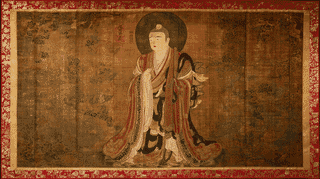
Ten Heian-period scrolls owned by Ichijoji in Hyogo Prefecture, showing the nine Tendai patriarchs with Prince Shotoku himself added on to the series.
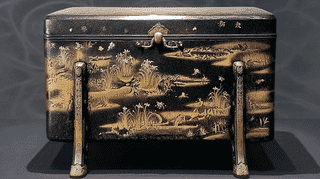
A Heian-period chest owned by Kongobuji in Wakayama Prefecture. Marsh and plovers on the outside, and wild grasses and butterflies within its own lid.
Late Heian finds from a sutra mound atop Mount Narahara, Imabari: a bronze pagoda, sutra case, mirrors, painted fans and Song porcelain. National Treasure, 1956.