
Edo
江戸Browse Japan’s cultural heritage from the Edo period (1603 – 1868). Filter by prefecture, type, and keyword, with concise stories, maps, and travel tips.
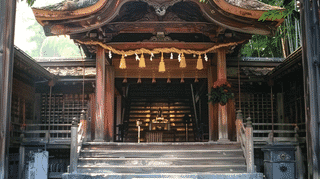
Nidoji Shrine Main Hall in Shigaraki is a one-bay Kasuga-style sanctuary of 1703 with a cypress-bark roof, registered in 2003 as a rare Kasuga-style hall in Shiga.
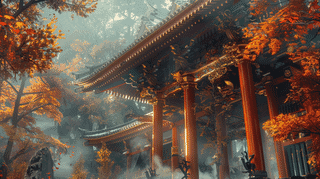
A middle Edo-period shrine in Kagoshima Prefecture. Three separate halls are named in its own title, and yet the quantity there is given as one alone.
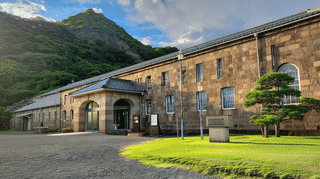
An Edo-period stone factory in Kagoshima Prefecture. The very same ground carries a second listing there, one that was made some three years earlier still.
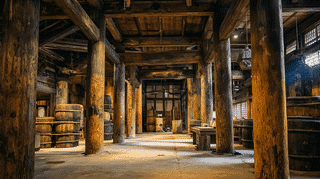
An Edo-period storehouse at Murakami, Niigata Prefecture, Japan. Its ridge tablet dates it to 1841, and it is taken to have held sake when the family still brewed.
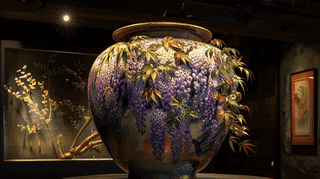
An Edo-period tea jar in Shizuoka Prefecture, its milky glaze painted over with wisteria in five separate colours, with silver and gold set among these.
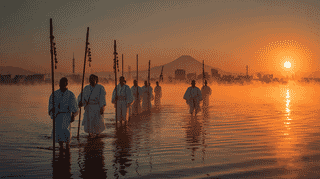
A pre-dawn rite at Nakajima in Kisarazu, Chiba, where young men plant bonten poles in the winter sea while practitioners pray on the shore. Selected in 1992.
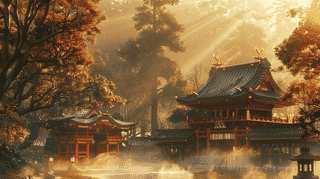
The main hall of Usa Jingu in Oita was raised between 1855 and 1861. Two gabled buildings front and back with a gutter between typify the Hachiman style.
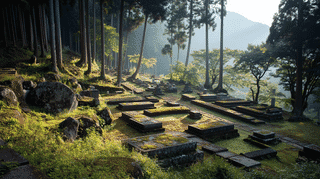
A Christian burial ground on a ridge in Usuki, Oita, where 66 graves survived the centuries of prohibition intact. Designated a Historic Site in 2018.
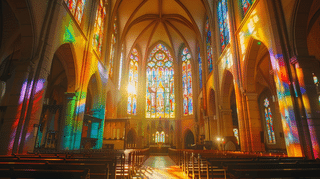
A church of 1864 at Minamiyamate in Nagasaki, the oldest surviving in Japan. Altered from three aisles to five in 1879, it keeps its original core within.
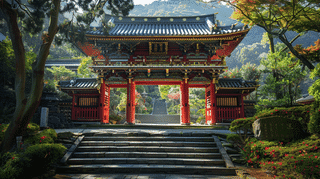
An early Edo-period gate in Nagasaki Prefecture. Its timbers were cut in China and were carried over there divided among several separate vessels at once.
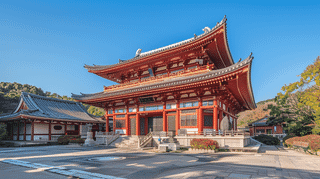
An early Edo-period hall in Nagasaki Prefecture. Its upper storey came some decades later on, and it follows a different tradition from the lower one.
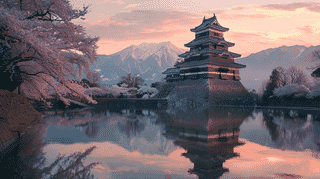
The keep of Matsumoto Castle in Nagano, built between 1594 and 1599, rises five tiers on gently sloped walling. Five buildings of differing dates make it up.
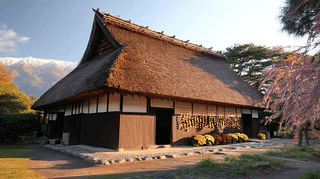
An Edo-period thatched main house in Azumino, Nagano Prefecture, Japan. Its own date over there is given only as a span of some 78 whole years even now.
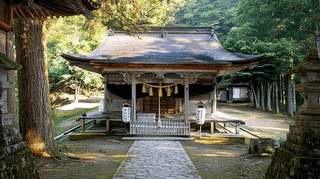
Four Edo-period shrine buildings in Tottori Prefecture. The listing here keeps an older name, while the owner itself now uses a much newer one instead.
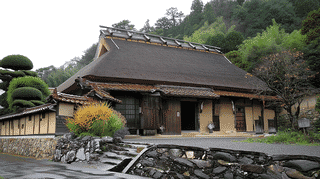
A farmhouse residence in Kagodani, Tottori Prefecture. Its own reading field there covers the bracketed location set within its own name here as well.

A Southern Song tea bowl in Tokyo, known as the Inaba Tenmoku. Another bowl of the very same name here was listed on exactly the same day as this one.
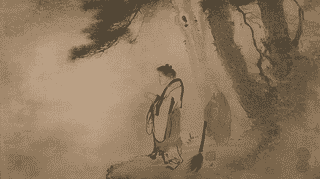
An ink painting on deposit at the Tokyo National Museum, owned by a foundation. Its title names Shide alone, and not the usual pair of the two figures.
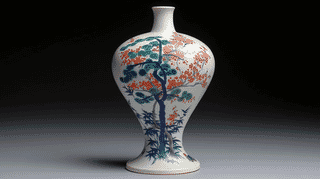
An Edo-period porcelain sake bottle held at Dazaifu in Fukuoka Prefecture, Japan. Its own matching fellow there, of the very same form, is still unlisted.
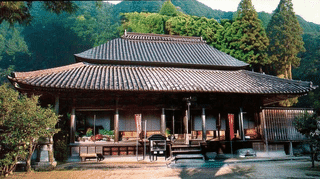
An Edo-period timber main hall in Naka, Tokushima Prefecture, Japan. Its own roof is thatched, and yet sheet iron lies over it all out there even today.
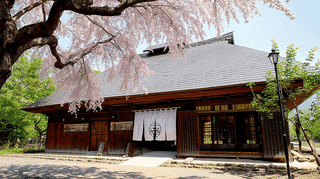
An Edo-period main house in Shimotsuke, Tochigi Prefecture, Japan. Given to the city over there, it was then moved right to a park even so even today.