
Edo
江戸Browse Japan’s cultural heritage from the Edo period (1603 – 1868). Filter by prefecture, type, and keyword, with concise stories, maps, and travel tips.

Old documents at Yasaka Shrine in Kyoto Prefecture. The title counts 2,205 separate pieces, while the quantity field counts the scrolls that hold them.
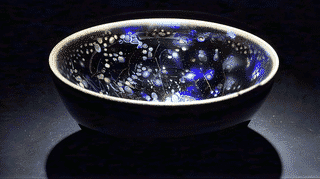
A tea bowl held at Ryukoin in Kyoto Prefecture. Yet another bowl of the very same name is recorded there under a different system of listing altogether.
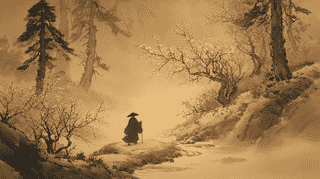
Six Edo-period handscrolls owned by the state and kept in Kyoto. Picture and text alike are attributed quite separately in the official record itself.
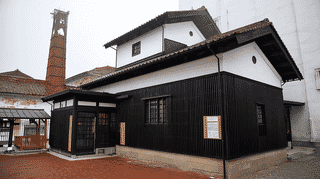
An Edo-period storehouse in Saijo, Higashihiroshima, Hiroshima Prefecture, Japan. An inscription on its window grille dates it to 1836, the oldest in the area.
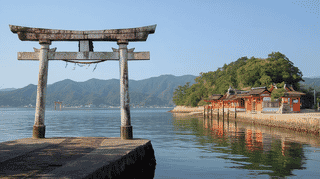
Two Edo-period shrine structures in Kochi Prefecture. Their own value here rests on how very few other cultural properties the region itself holds now.

The Shodendo of Kangiin in Kumagaya, Saitama, a gongen-zukuri hall paid for by ordinary worshippers and covered in colour carving, a National Treasure since 2012.
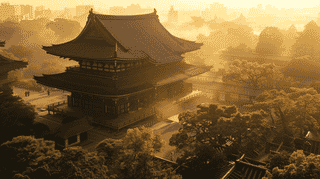
A middle Edo-period hall in Mie Prefecture. Zen in its outward appearance, it nonetheless keeps the plan usual to a Shin Buddhist main hall inside it.

A middle Edo-period hall in Mie Prefecture. Nine bays in each direction, it has the largest square plan met among all of the buildings covered so far.
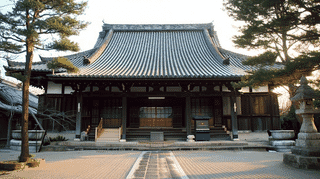
An Edo-period Buddhist temple main hall in Matsusaka, Mie Prefecture. Two other listed halls elsewhere in Japan carry this very same name here as well.

The surviving buildings of a domain school founded in Iga in 1821 as a branch of the Tsu academy Yuzokan. Designated a Historic Site in 1930 and open to visitors.
Eleven Edo-period items held at Ise in Mie Prefecture, Japan. The contents of this group there are counted in four quite different measures even today.
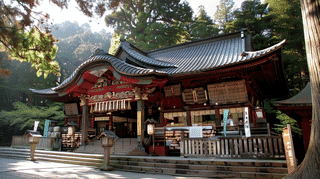
Eight halls built 1736-1753 with donations gathered by the pilgrim leader Murakami Kosei, from the worship hall to a lava-basin water pavilion, designated in 2017.
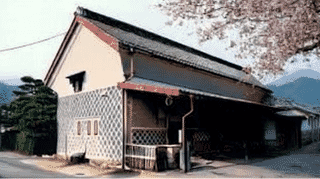
An Edo-period oil storehouse in Fujikawa, Yamanashi Prefecture, Japan. Of its three rooms only one has an upper floor; the rest rise open to the roof.
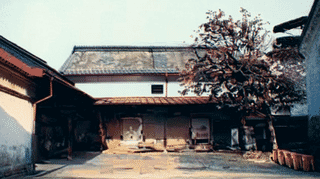
An Edo-period salt storehouse in Fujikawa, Yamanashi Prefecture, Japan. Only its western room held salt, yet that one room gives the whole building its name.
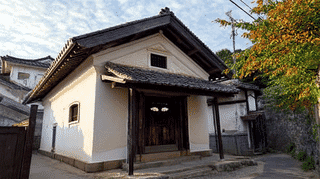
An Edo-period document storehouse in Fujikawa, Yamanashi Prefecture, Japan. Two other buildings on the grounds are placed by reference to this small store.
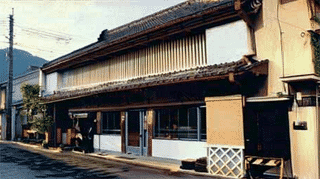
An Edo-period shop storehouse in Fujikawa, Yamanashi Prefecture, Japan. Shop below and rooms above, it was drawn back whole in 1960 to widen the road.
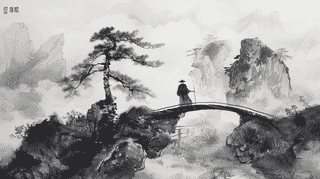
A Southern Song painting on one scroll at Kuonji in Yamanashi, recorded as having once formed a single set with two other scrolls held elsewhere today.
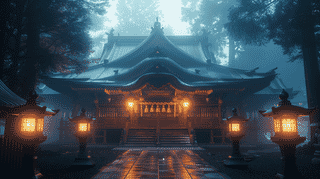
A hall of 1640 at Enryakuji on Mount Hiei in Shiga. Its earthen inner sanctuary lies three metres below the boarded worship space, keeping the basic esoteric plan.
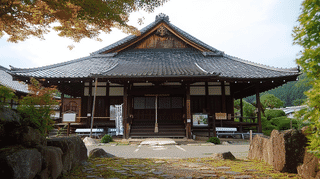
A Buddhist temple guest hall in Otsu, Shiga Prefecture, Japan. One single page there gives two quite different dates for it, half a century apart now.
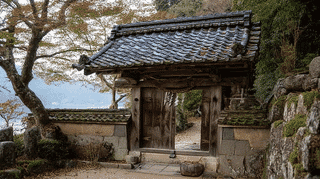
An Edo-period timber gate at Kannonshoji in Shiga Prefecture, Japan. It is measured only by its own frontage over there, and by nothing else even now.