
Momoyama
安土桃山Browse Japan’s cultural heritage from the Momoyama period (1573 – 1603). Filter by prefecture, type, and keyword, with concise stories, maps, and travel tips.
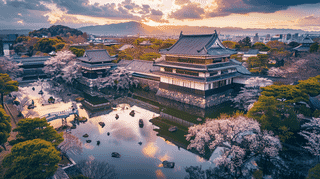
Nijo Castle in Kyoto, occupied by Ieyasu in 1603 and remodelled in 1626, holds Japan's only surviving castle palace: six National Treasure shoin buildings in echelon
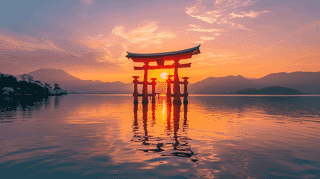
Itsukushima Shrine in Hiroshima rests on a rebuilding of 1241, its main sanctuary alone from 1571. Six of its twelve buildings are National Treasures.
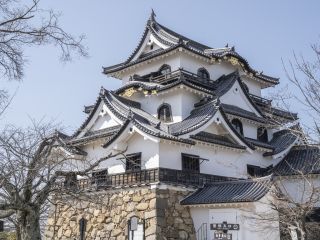
The keep of Hikone Castle in Shiga, finished in 1606, has three tiers with gables and stepped roofs. It and its two turrets became National Treasures in 1952.
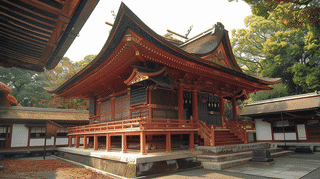
A Momoyama shrine hall in Tsushima, Aichi, three bays wide in the nagare form. The Agency dates it to 1605; it became an Important Cultural Property in 1920.
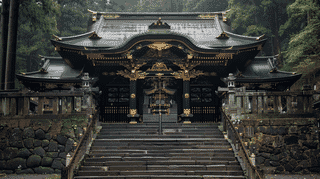
Osaki Hachiman Shrine in Sendai was founded by Date Masamune in 1607. Sanctuary and hall are joined by a low-floored stone room, the oldest example of the form.
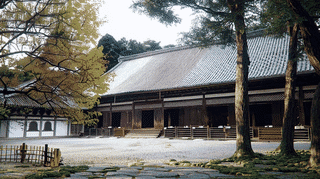
The abbot's hall Date Masamune built when he revived Zuiganji in Matsushima in 1609, with ten painted rooms, a unique alcove and a carved Onari entrance.
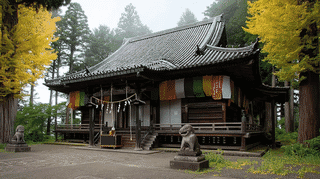
A Buddhist hall of 1607 in Wakabayashi Ward, Sendai, five bays square. Bare timber at the gable ends, and a richly ornamented shrine standing inside it.
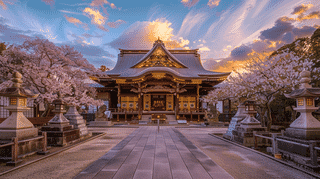
A shrine in Kamigyo Ward, Kyoto, where a stone chamber joins the main hall to the worship hall, with a pair of music rooms adjoining on either side of it.
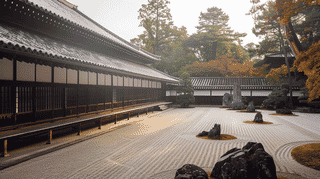
A building at Nanzenji in Kyoto in which a greater and a lesser hall join to form one. The official record lists all of its rooms one by one, by name.
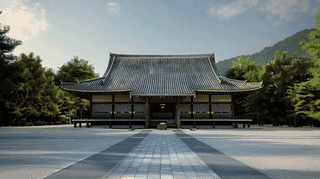
Ninnaji Temple Golden Hall is the imperial Shishinden moved here in 1643, the only early modern throne hall left. Its value, shutters, roof tiles and viewing.
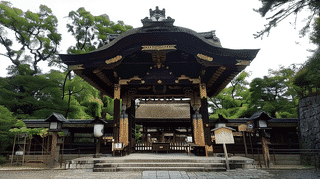
A four-legged gate of the Momoyama period at Toyokuni Shrine in Kyoto. It is said to have come from Fushimi Castle by way of two other sites before this.
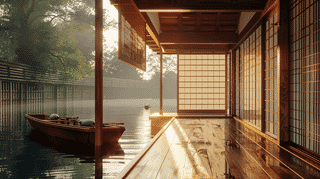
A three-storey pavilion at Honganji in Kyoto. Its north and south faces agree at 25.8 metres while its east and west faces do not agree with each other.
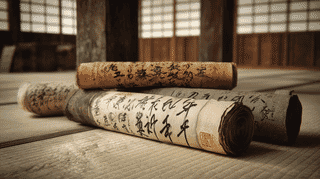
An autograph record at the Yomei Bunko in Kyoto Prefecture. The body of it copies out those very court documents that were designated alongside them all.
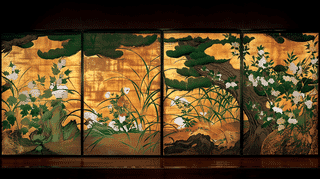
A pair of Momoyama folding screens at Chishakuin in Kyoto. The official record names no artist at all, and the title itself is written to show that gap.
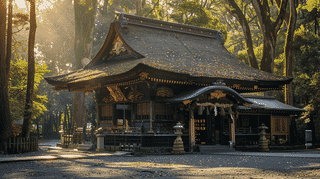
Five Momoyama-period shrine buildings in Kumamoto Prefecture. A concrete bridge within that very same precinct is registered, and not designated.
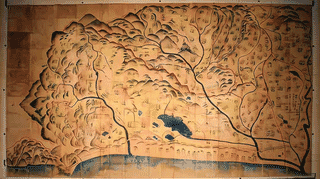
An Azuchi-Momoyama-period pictorial map held in Yamagata Prefecture. Its own commentary field there only points to an account held somewhere else now.
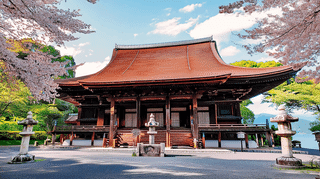
A Momoyama-period golden hall in Shiga Prefecture, dated to 1599. Its commentary field stands empty, while the structural field of it is a fuller one.
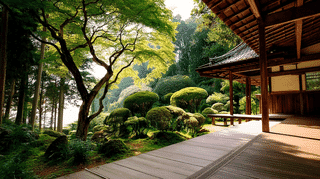
A Momoyama-period guest hall in Shiga Prefecture, built in the year 1600. Its category field here reads residence rather than temple or else a shrine.
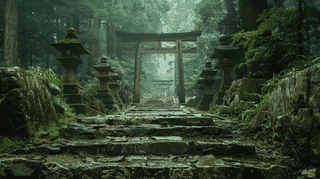
The main hall of Kamosu Shrine in Matsue was rebuilt in 1583 and is the oldest surviving taisha-zukuri, a form found only in the old province of Izumo.
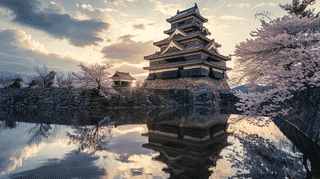
The keep of Matsue Castle in Shimane was finished in 1611. Columns spanning two storeys, reinforced with cladding boards, brought National Treasure status in 2015.